You already know that overwashing your hair is a major no-no and that using superhot water can wreak havoc on your strands. You're also probably aware that applying conditioner to your scalp makes for an oily head, and that excessive scrubbing can weaken the shaft and leave you with a tangled mess. These are all commonly discussed mistakes, but with the help of notable hair care experts, we're going beyond the basic hair-washing don't and dishing on the less-often-discussed blunders. Here's to a million glorious hair days in your future, babe.
Using Dry Shampoo to “Clean” Your Hair
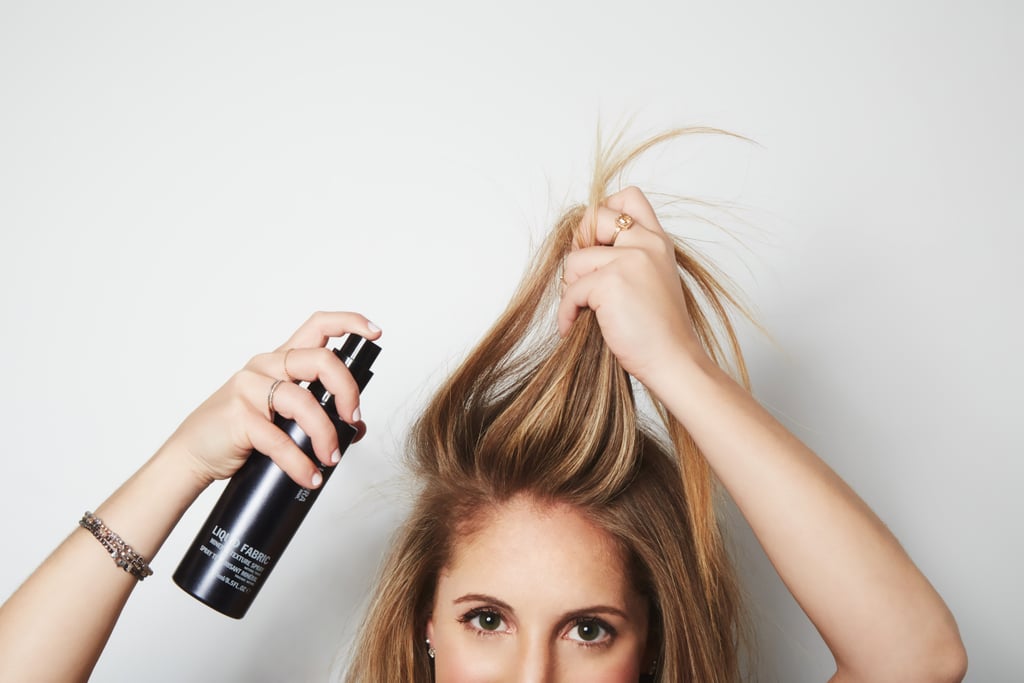
Most of us are all in agreeance here: dry shampoo bottles ought to come with angel wings because that stuff is heaven sent. However, contrary to what some may believe, dry shampoo doesn’t actually shampoo your hair. Instead, it zaps oil and can also lightly hydrate and cover up dirty smells with a fragrance.
“Real hair cleansing takes place with water and a cleansing agent that will release dirt and buildup,” noted Joey Silvestera, celebrity hair stylist and founder of NYC’s Blackstones Salons [1]. Moral of the story: a dry shampoo in between your twice or thrice weekly regular is good, but don’t push it, girl.

Skipping Your Conditioner — Even Once
We get it. You’ve got places to be, friends to meet for cocktails, and bosses to report to. But if you’re trying to cut corners in the showering department, whatever you do, don’t skip out on your conditioner.
“You need to condition the shaft with deep moisturizing, weightless conditioners,” said Carolyn Aronson, a former stylist and the founder of It’s a 10 Haircare [3]. She says that only washing will leave your hair feeling dried out, and if you’re guilty of this mistake, you know that to be a cold, hard truth. “Conditioner seals the hair’s cuticle back up, which locks in nutrients and keeps pollutants out. It also strengthens the hair shaft, preventing breakage, split ends, and even hair loss.”
Scrunching Hair While You Wash
“When you shampoo, do not moosh the ends of your hair up to your scalp,” said Julien Farel [4], renowned stylist and founder of the Julien Farel Salon & Spa. “Yes, we all see that Herbal Essences commercial where the model’s hair is piled on her head with shampoo and she's having such a luxurious wash. This actually tangles the hair and causes more pieces to fall out. It's better to use your fingers to scrub on the scalp and with your fingers comb the shampoo down your hair to avoid pulling and stripping of the hair shaft.”
Enjoying a Waterfall Fantasy Rinse
While you don’t want to scrunch your hair too much, you do need to put a little elbow grease into your shampoo routine.
“There are so many people that have an abundance of product in their hair because they do not rinse properly,” said Farel. “Even though the water feels amazing running down your hair and you're imagining sitting under a waterfall, you will never truly get all of the product out of your hair just standing there. Get the product out by rubbing your hands in a similar ‘shampoo’-like motion to release any trapped product in your hair.”
Aronson added, “Leaving buildup and residue distributed throughout can leave hair in an unmanageable state and actually cause scalp irritation.”
Using Sulfate-Free Shampoo When It's Clearly Not Working

“Sulfate-free” is a buzzword in the beauty world, and it may even make you feel warm and fuzzy when buying a hair care product boasting the phrase. However, sulfates aren’t necessarily bad, and some hair types — such as thin, lightly wavy, or naturally straight hair — may experience better hair-washing results when using shampoos with sulfates.
“There’s absolutely no research showing that sulfates are a problem in skin care or hair care products, other than causing sensitivity, but that is also true for the sulfate-free cleansing agents that some cosmetics companies advertise and sell,” said a sourced article on Paula’s Choice [5].
Contrarily, if you have coarse, curly, or kinky hair, sulfate-free may truly be the better option for you. At the end of the day, though, you should use a product that’s best for your hair type — one that leaves your locks moisturized and shiny. Just don’t feel locked in to a sulfate-free option if you find that it’s not working for your hair.
Using Hair-Specific Products Without Consulting Your Stylist
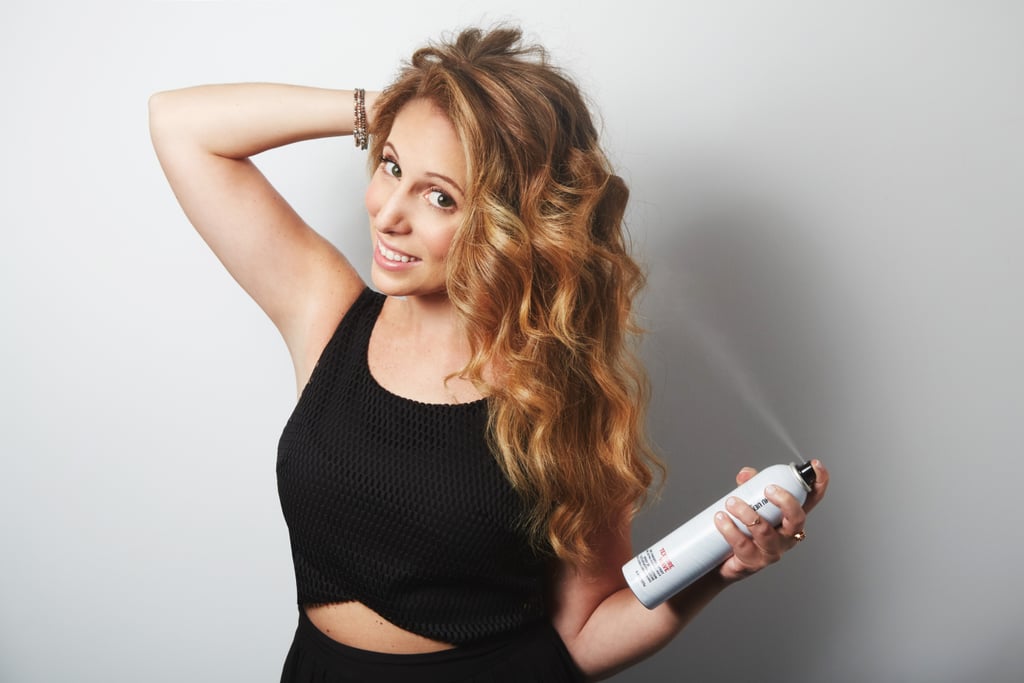
In the same way self-diagnosing yourself with a disorder can lead to mayhem, trying to fix your hair problems without first consulting an expert (or at least doing a ton of research on your own) can create more hair issues than you’ve already got.
For example, “a person who wants volume may just need an oil-balancing shampoo or an exfoliating shampoo to help give proper bounce and lift,” and not a volumizing product, explained Farel.
On that same note, just because a product says it’ll preserve your color — and you just dyed your hair a new gorgeous hue — doesn’t mean you should lather up with it. Silvestera explained that these color support shampoos and conditioners can “compromise the tone that you left with from the salon.”