This informational guide, part of PS's Condition Center [1], lays out the realities of this health concern: what it is, what it can look like, and strategies that medical experts say are proven to help. You should always consult your doctor regarding matters pertaining to your health and before starting any course of medical treatment.
More than seven million people in the United States have psoriasis, according to the American Academy of Dermatology [2] (and in case you didn't know, Kim Kardashian is one of them [3]). This chronic, inflammatory skin disease can be frustrating and difficult to treat, especially because it can impact both physical and mental health.
"Psoriasis can affect a patient's body image [4], causing anxiety and depression," certified dermatologist Jodi LoGerfo, DNP. People may feel like the condition makes their skin unattractive or worry, is psoriasis contagious? Which it's not, the doctor notes. While there's no cure for psoriasis, there are treatments that can help patients manage symptoms, understand what triggers their flare-ups, and lessen the impact that psoriasis has [5] on their lives.
Experts Featured in This Article
Jodi LoGerfo, DNP, is a dermatologist at Orentreich Medical Group [6].
Jay Wofford [7], MD, is a board-certified dermatologist and fellow at the American Academy of Dermatology.
Anna Chacon [8], MD, FAAD, is a board-certified dermatologist based out of South Florida.
Robin Evans, MD, is a board-certified dermatologist at Southern Connecticut Dermatology [9].
What Is Psoriasis?
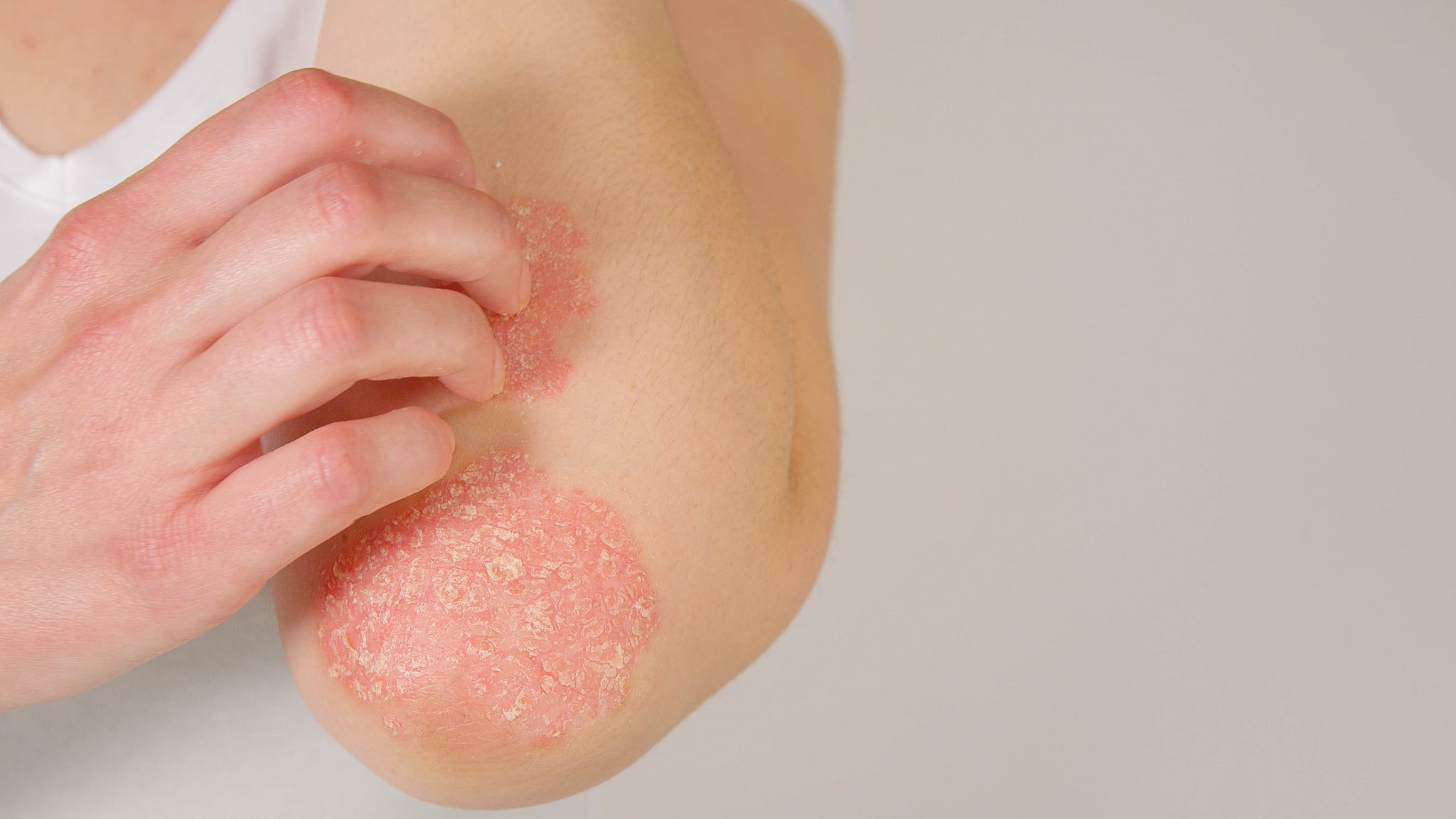
Psoriasis is a chronic inflammatory skin condition triggered by immune-system malfunction, Dr. LoGerfo says. People with psoriasis experience overactive skin-cell growth, in which skin cells multiply "up to 10 times faster than normal," she says. Instead of shedding, the cells build up on the skin's surface, causing scaly patches called plaques.
Plaques can occur anywhere on the body but are commonly found on the elbows, knees, lower back, scalp, and genitals, says board-certified dermatologist Jay Wofford, MD. Psoriasis can also affect the area under the breasts, in the armpits, or on the nails [10], the soles of your feet, or the palms of your hands. In some cases, it can even show up on the scalp [11]. While some people on experience it in one or two areas, others may experience psoriasis spreading to other areas over the years.
Psoriasis Symptoms
Symptoms of psoriasis can vary, but commonly include:
- Red, shiny, itchy patches: This is the best-known symptom of psoriasis. These patches, known as plaques, are typically well-demarcated, symmetrically distributed, silvery, and/or scaly, says dermatologist Anna Chacon, MD. The skin patches are discolored, appearing red on light-skinned people and purple or brown on dark-skinned people.
- Moist, shiny skin: This typically occurs in skin folds, Dr. Chacon says.
- Nail changes: Nails may become pitted or crumbly or show changes in color, sometimes being mistaken for a fungal infection.
- Changes in texture after itching: For people with psoriasis, Dr. Chacon says, scratching the affected skin often leads to lichenification, aka a leathery texture and increased skin markings. "Skin cracks or fissures may also occur," she says.
- Burning or pain at affected areas. The rashes may be cyclical, too, flaring up for weeks or months before subsiding.
Psoriasis Causes
Psoriasis is an immune-mediated disease, which means it results from abnormal immune-cell activity. In this case, the immune system is overactive and causes skin cells to be replaced more quickly than usual, Dr. Chacon says.
What makes this happen? "The human body produces new skin cells in the deepest layer of skin," Dr. Chacon says. Then, "the skin cells move up through the different layers of skin until they reach the outermost levels, where they die and flake off." Typically, this process takes about three to four weeks. For people with psoriasis, it can take three to seven days. The abnormal speed of this process causes "immature cells [to] build up on the surface of the skin," Dr. Chacon says, which is what causes psoriasis-affected skin to flake, scale, and break out in plaques.
The exact causes of psoriasis are unknown, but doctors believe two different aspects play a role.
- Genetic factors: Is psoriasis genetic? "There is a strong hereditary component for psoriasis in most people with the condition," Dr. Wofford says, which means that if someone in your family has psoriasis, you may have a greater chance of developing the condition.
- Environmental triggers: "Psoriasis occurs in people with a genetic predisposition (which is inherited) who have experienced some known or unknown trigger, causing the immune system to misbehave," Dr. Wofford says. Triggers differ from patient to patient but can include alcohol, smoking, stress, menopause [12], infections, medications including lithium [13], and even cold weather [14].
Psoriasis is also associated with [15] metabolic syndrome, Crohn's disease [16], cardiovascular disease, and inflammatory bowel disease (IBD), among other serious conditions, says Robin Evans, MD, of Southern Connecticut Dermatology.
People with psoriasis may develop psoriatic arthritis as well, which causes joint pain, stiffness, and swelling. Most people will only develop arthritis years after first experiencing psoriasis, according to the Mayo Clinic [17], but symptoms can occur concurrently for some people and even before skin symptoms in others.
Most Effective Psoriasis Treatments
Many people want to know how to cure psoriasis permanently. Unfortunately, there is no cure, but treatment options are available, depending on the severity of the condition.
- Treatment for mild or limited psoriasis: If you have mild psoriasis (defined as having plaques on five to 10 percent of the body or less), you will likely be treated with topical creams and lotions, which may include steroids, retinoids, and vitamin D analogs, Dr. LoGerfo says. Localized phototherapy or light therapy, which "uses narrowly targeted rays of ultraviolet light" to reduce inflammation, is also an option [18], Dr. Wofford says.
- Treatment for severe psoriasis: For severe psoriasis (plaques on more than five to 10 percent of the body), patients are given "systemic" treatments, such as medications by mouth or injection. Phototherapy may also be used for severe psoriasis.
In addition to prescription treatments, there are also a few things you can do to manage psoriasis symptoms at home:
- Avoid picking and scratching at your skin. This includes picking around plaques as well as unaffected skin, because "trauma to the skin is a known trigger for psoriasis," Dr. Wofford says.
- Try food-sensitivity testing. While food cannot cause psoriasis itself, many foods contribute to inflammation in the body, which can trigger psoriasis flare-ups. Talk to a doctor about trying food-sensitivity training, taking supplements, or managing your diet to limit psoriasis outbreaks. According to Johns Hopkins Medicine [19], you can reduce inflammation by limiting alcohol, dairy, gluten, and foods with refined carbohydrates, saturated and trans fats, and processed sugar. Try to load up your diet with anti-inflammatory foods [20] like fish, tofu, fruits, vegetables, nuts, seeds, beans, and lentils.
- Limit stress. "Psoriasis can create a great deal of stress and distress for patients, and we do know that stress can exacerbate the condition," Dr. Evans says. Try to manage stress [21] as much as possible to avoid flare-ups.
If you think you have psoriasis, make sure to see a doctor for a diagnosis and treatment options. Psoriasis symptoms will only worsen if left untreated.
Just as important is the impact psoriasis can have on your mental health. "[Psoriasis] can have emotional impact on one's personal, social, and intimate life," Dr. Evans says. "It is important to know that there is help, there is treatment, and patients should seek help from a board-certified dermatologist for a consultation and recommendations."
If you or a loved one are struggling with anxiety, call the Anxiety and Depression Association of America (1-240-485-1001) or the National Alliance on Mental Illness (1-800-950-6264). You can also text "HelpLine" to 62640 (for NAMI) or dial 988, the nation's mental health crisis hotline.
Maggie Ryan [22] was an assistant editor at Popsugar. A longtime runner and athlete, Maggie has nearly four years of experience covering topics in the wellness space, specializing in fitness, sports, nutrition, and mental health.