To put it lightly, 2025 has been . . . tumultuous. This madcap year marks the halfway point of the 2020s, a period that has brought instability and chaos like we've never seen before. What started with a pandemic has grown into a laundry list of collective traumas we've endured this past half-decade. (Of course, it hasn't all been bad — I adopted a cat, Rosalía started doing opera [1], we still have "The Great British Baking Show [2]" on Netflix, and so on.)
As this year approaches its end, we not only have the opportunity to reflect on where we've been, but also where we're going. And if there's one tool that helps us envision those possibilities best, it's books. Our favorite books hold a mirror to our worlds — whether that's a funhouse mirror or one of those awful magnifying mirrors that they have in hotel bathrooms — and allow us to see bits of ourselves in all sorts of different scenarios and beings. Yes, books offer an escape, which can be especially welcome in times of such harsh discord. But they can also keep us grounded, helping us confront the very real challenges we face as individuals and communities.
Looking at the crop of books coming in 2026, we should be in good hands (in a literary sense, if nothing else). There's sure to be plenty more romantasy [3] coming down the pike, able to satiate the masses of hungry readers looking for their next shadow daddy [4] obsession. But we'll also be seeing standout works that tackle subjects like environmental collapse, TikTok politics, and the messy layers of everything from colonization to tragic love stories, in genres across literary and historical fiction and YA. These books and others like them promise to be a life raft for us readers, no matter what inclemency next year may bring.
Below, you'll find excerpts from interviews with the authors of four of the most anticipated books of next year (edited and shortened for clarity) to learn more about why their work deserves a spot on your 2026 TBR list. (Have those Popsugar Reading Challenge prompts [5] handy!)
Deepa Anappara
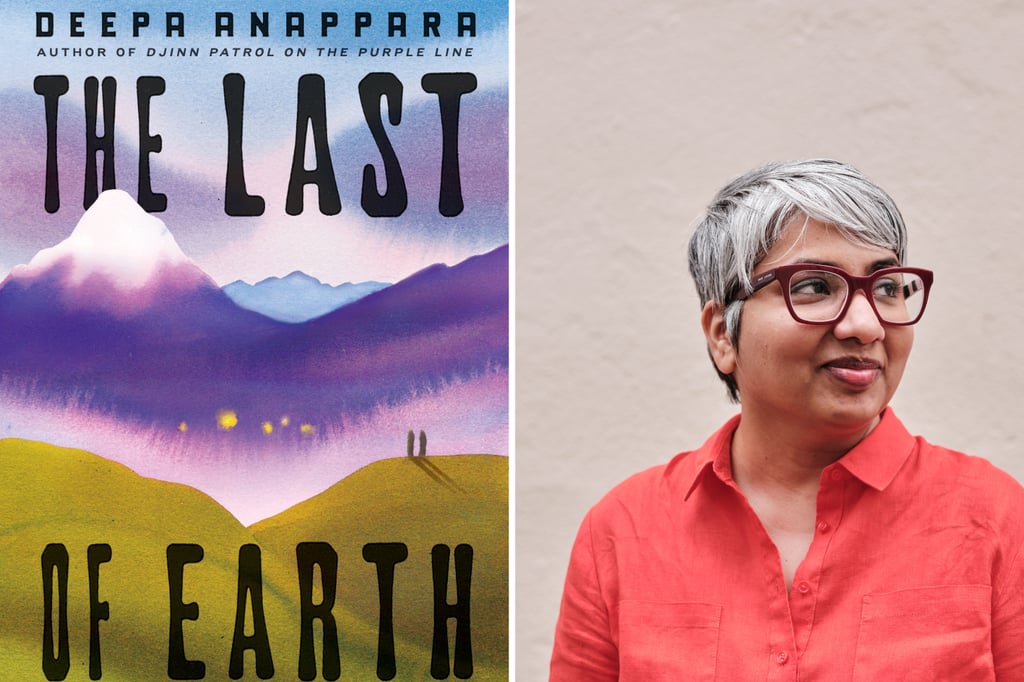
"The Last of Earth [6]," coming January 2026
Popsugar: "The Last of Earth" has been praised for its divergence from the "European fantasy" of Tibet. How does the Tibet of "The Last of Earth" differ from those orientalist portrayals, and why does that matter to you?
Deepa Anappara: As a writer from a colonized country, I am aware of various stereotypes about my part of the world, and have not only resisted those but have actively attempted to challenge them in my writing. I previously co-edited a collection of essays on writing, race, and culture, titled "Letters to a Writer of Color [7]," specifically addressing the expectations and burdens placed on writers of color to be representatives of their communities, or cultures. I believe that my responsibility as a writer is to my character, and I try to show the world as they see it.
PS: Popsugar readers are especially fascinated by complicated friendships. What lessons about friendship and community do you hope readers of "The Last of Earth" take away?
DA: It was interesting through the novel to explore the relationship between the colonizer and colonized, which, despite how it may appear at the surface-level, can never be a friendship because of the differences in power. "The Last of Earth" also examines the relationship between two men working for imperialist British officers, and how their relationship might be affected by the fact that they are beholden to an Empire that sees them as second-class citizens. These questions, I think, are relevant even today, in how many governments hold on to power by underscoring the differences between people who might otherwise have been friends.
PS: What draws you to this specific style of historical fiction as a genre?
DA: The history of India has been mostly written [by] the British, who ruled the country for over two centuries. I was interested in reconstructing the experiences of Indians at that time, because this is something you don't find in historical records and archives. The historical fiction genre allows you to recreate a particular period of history from a point of view that might have been ignored or suppressed; it gives you a new way of understanding not just history but also the contemporary world.
Book blurb: "Set in nineteenth century Tibet, the epic follows two outsiders: Balram, an Indian schoolteacher spying for the British Empire while secretly searching for his missing friend; and Katherine, a fifty-year-old English 'lady' explorer who intends to be the first European woman to reach Lhasa. When their paths collide, they must contend not only with storms and bandits, snow leopards and soldiers, fever and frostbite, but also with their own ambitions, grief, and doubt."
Megan A. Schikora
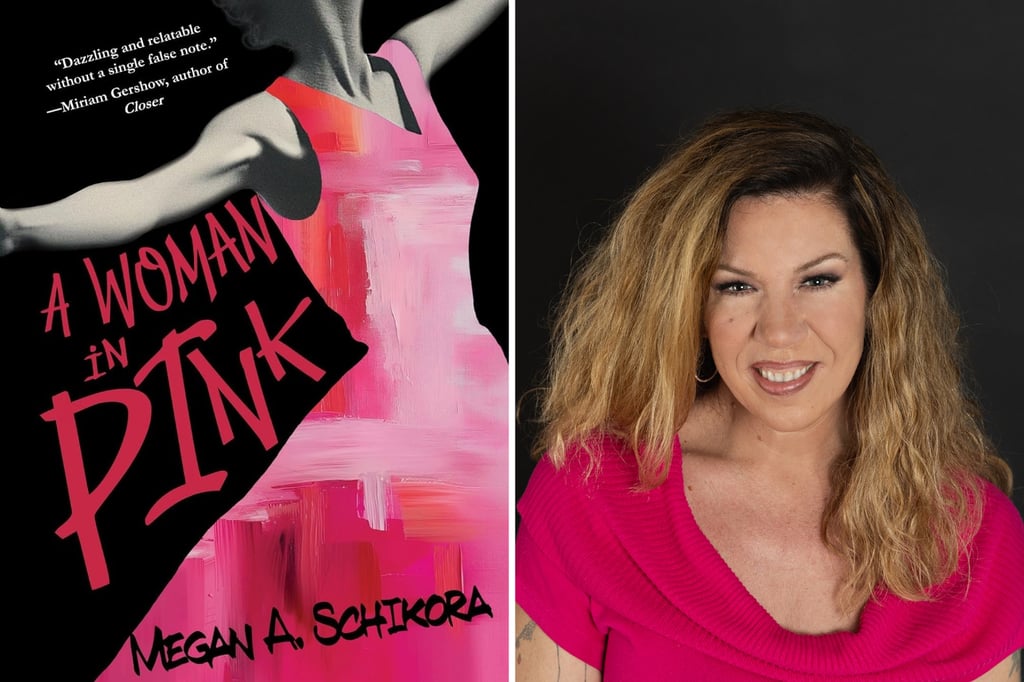
"A Woman In Pink [8]," coming February 2026
Popsugar: What lessons about relationships and trauma do you think readers of "A Woman in Pink" might walk away with?
Megan Schikora: I don't want readers to walk away with a lesson. I want them to walk away feeling seen and heard. So many of us experience a romantic relationship similar to my protagonist's. They invest so much in it and fight so hard for it, but the "happily ever after" they envisioned never materializes. My goal for "A Woman In Pink" is resonance.
PS: What's your favorite scene or story arc from "A Woman in Pink"?
MS: My protagonist's love interest asks her to write a letter on his behalf, which she agrees to do. Throughout the novel, excerpts from the deceptive letter are followed by narrative of what really happened, and I had fun playing with this juxtaposition.
PS: What do you enjoy most about writing literary fiction? What draws you to the genre?
MS: I want people reading my fiction to think, "I know this place. I know this person. I am this person." I want to connect with readers by reflecting aspects of their experiences in my work. I also appreciate the high bar: compelling narratives that take risks, distinctive voices, and commitment to vivid, vigorous language. I want to clear the bar. I love the challenge.
Book blurb: A "contemporary novel inspired by the real life romance between June Carter and Johnny Cash. It is a thrilling story of obsessive love that spans decades, of the role of privilege, and the cost of addiction."
Yasmin Angoe
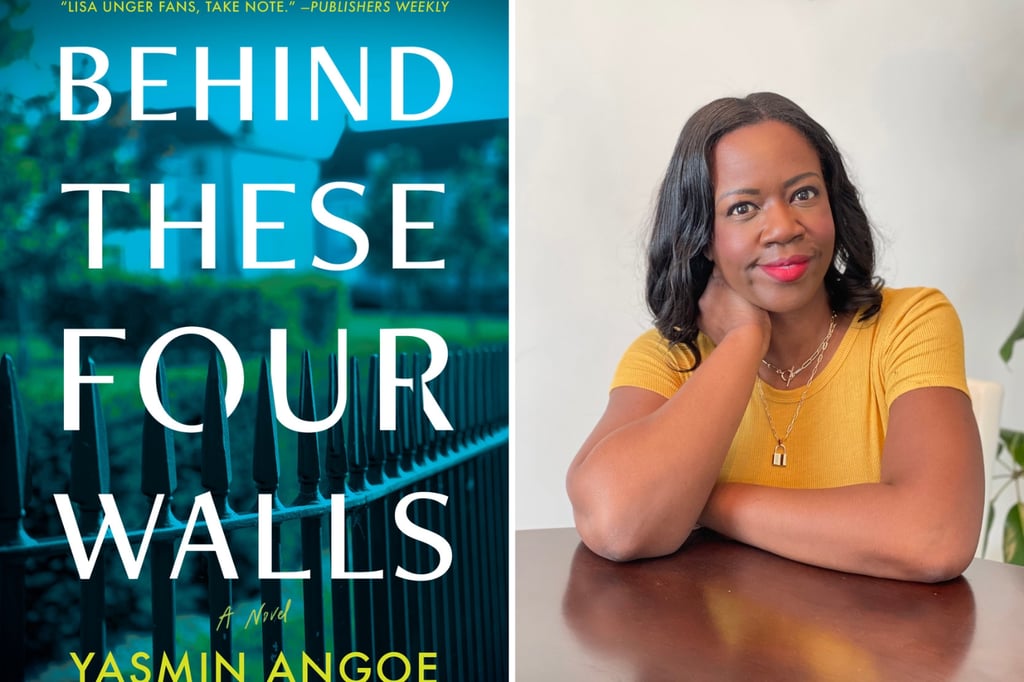
"Behind These Four Walls [9]," coming January 2026
Popsugar: What were your favorite books growing up, and why?
Yasmin Angoe: I was that kid glued to Christopher Pike books — "Spellbound" completely sealed my love for horror and thrillers. I also devoured Nancy Drew, Sweet Valley High, and The Babysitters' Club. Then came "Fallen Angels" by Walter Dean Myers, R.L. Stine's Fear Street series, and all of Anne Rice's vampire drama — my high school self was hooked. Later, discovering Toni Morrison and L.A. Banks blew my mind. That's when I realized how much I'd been missing — seeing myself in stories, reading voices that felt familiar. That moment really changed how I think about storytelling now. Today, there are more Black authors and other authors of color who've been published, and we need to keep that going because the stories we tell are amazing.
PS: What would you say to another first-generation writer who hopes to publish a novel (or many!) someday?
YA: First, read widely — in your genre and outside of it. When you know what's out there, you expand your own imagination and you then know what you want to write. Second, keep going, even when it feels impossible — or when people don't "get" what you're trying to do yet. Your voice, your culture, your story — it all matters more than you think. There's someone out there waiting to see themselves in your words. So write it, finish it, and send it out. The world can't read a book that's still in your head!
PS: What draws you to the psychological suspense thriller genre?
YA: I love that mix of heart racing and mind spinning. I want to be scared, but I also want to be thinking, "What would I do in this situation?" The best thrillers make you question everyone, including yourself, and they stick with you long after you close the book. I live for that.
PS: What lessons about friendship, community, and class struggle do you think readers of "Behind These Four Walls" might take away?
YA: First and foremost, I hope readers are entertained — like, popcorn-gripping-the-book kind of entertained. But underneath all the twists, I want them to think about how family isn't just blood. Sometimes, the people we choose are the ones who hold us up the most. And even when you don't have money, status, or power, you can still make a difference. That's the kind of quiet strength that really moves me.
Book blurb: "A young woman weaves her way into a billionaire family's estate to uncover the truth behind the disappearance of her best friend in a nail-biting thriller full of corruption, wealth, morality, and revenge."
Soman Chainani
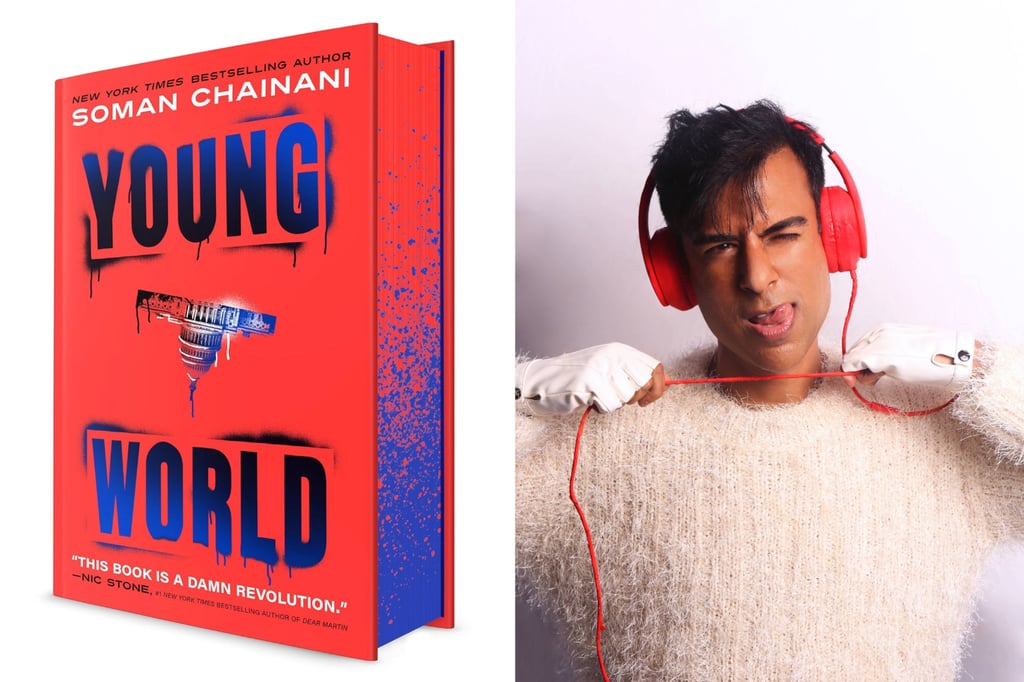
"Young World [10]," coming May 2026
Popsugar: What do people need to understand about adult YA readers today?
Soman Chainani: People want to feel something — and being a teenager is the period they associate with big and overwhelming emotions. YA brings them back to the most electric time in their lives.
PS: What's one trend in YA fiction right now that gives you hope for the future?
SC: There's a fearlessness to what people are writing now. The rise of book bans made authors more unapologetic about telling stories that teenagers and adults need. I'm thinking of Ngozi Ukazu's graphic novel "Flip [11]," which should be taught in schools.
PS: What scene, arc, or character was most challenging to write, and why?
SC: A teenage president seems farfetched, but I don't think it is. So making it feel real was the biggest challenge: how would a teenager get elected and how would he feel in the White House? I wanted the book to be so immersive and honest that you absolutely believed it.
PS: What's one thing you hope Popsugar readers will take away from reading "Young World"?
SC: That young people are the moral conscience of this world. They have the energy, the optimism, the capability to do impossible things. We need them to stand up and take ownership of the future.
Book blurb: "A geopolitical thriller that follows an average teenager thrust into power in a near-future America where headline anxieties like climate change, gun violence, and institutional failure have reached a breaking point."
Kerri Schlottman
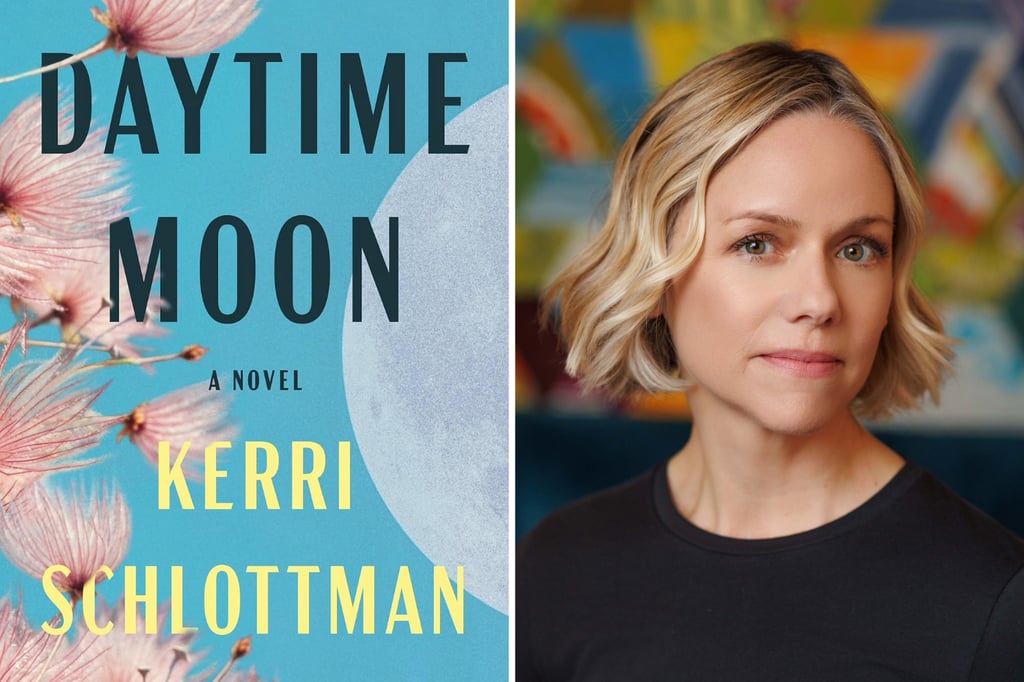
"Daytime Moon [12]," coming May 2026
Popsugar: Why are books important to you? What role does reading play in your life?
Kerri Schlottman: Reading books calms my brain down. I love any kind of good storytelling, but books do something different than films or shows for me — I can sink into them in a different kind of way.
PS: Why is "Daytime Moon" perfect for this moment in history that we're living through?
KS: I wrote "Daytime Moon" to explore this feeling about environmental collapse and climate change that I've had for a long time now kind of a combination of nostalgia and homesickness for earth. Lately, as I talk to more people about this, I hear similar sentiments. I think we're all trying to navigate how to live in a place, our home, that's falling apart around us. I also think we embody it without even knowing that we are and so it's not just that we're watching it happening, we're feeling it on a level that we don't yet have language to describe. I hope the book will help us find some unity in that and maybe a way of collectively articulating it.
PS: What's something that surprised you during the writing process?
KS: So, I started writing the book in 2019 and I was actively seeking out news stories about ecological collapse, which I immediately realized are wholly underreported by mainstream media. That was my first surprise, just how prevalent these issues are and how much we are not hearing about them unless we go searching. More recently, once the book was acquired, I had a chance to do some revisions and I wanted to update the timeline some. Sadly (and perhaps not surprisingly), I found that every instance of ecological collapse or environmental damage that I cited from 2019 was repeating; for example, just the other day, I found an almost exact headline about record numbers of Pacific gray whales dying that had been reported in 2019.
PS: Are there any lessons about family, friendship, community, connection, and self-discovery that you hope readers of "Daytime Moon" take away?
KS: I hope "Daytime Moon" inspires a sense of unity and connection and the feeling that we're in this together — whatever this means to you. And we're in it with the environment around us, with the birds and the whales and the trees and the ocean and the mountains and all of it. We are one family and it may be a huge, dysfunctional one, but if we could find a way to care for each other and for earth like we would anything else we love (our friends, our parents, our siblings, our kids, our pets), we could really heal so much.
Book blurb: "A novel about a young woman, Isa, whose powerful visions of the sister she lost long ago and the mother she never got to meet, send her on a road trip up and down the California coast to piece together the family she never knew she had. [...] Ultimately, it asks: how can women heal, when the world around us is in collapse?"

Emma Glassman-Hughes [14] (she/her) is the associate editor at PS Balance. In her seven years as a reporter, her beats have spanned the lifestyle spectrum; she's covered arts and culture for The Boston Globe, sex and relationships for Cosmopolitan, and food, climate, and farming for Ambrook Research.