It's Banned Book Week! Our friends at Common Sense Media [1] have put together a list of the most frequently challenged books across America.
At one time or another, all the books on this list have been challenged by individuals or groups seeking to have them removed from libraries or classrooms, according to the American Library Association. Yet now many of these titles are considered classics and assigned as required reading. Whether your kids have read one, some, or none of them, it's great to discuss the idea of controversial books as a family. Parents, ask your kids whether they're surprised to see any of these books on the list. What do they think makes these books so hotly debated?
The Adventures of Captain Underpants: An Epic Novel: Captain Underpants, Book 1
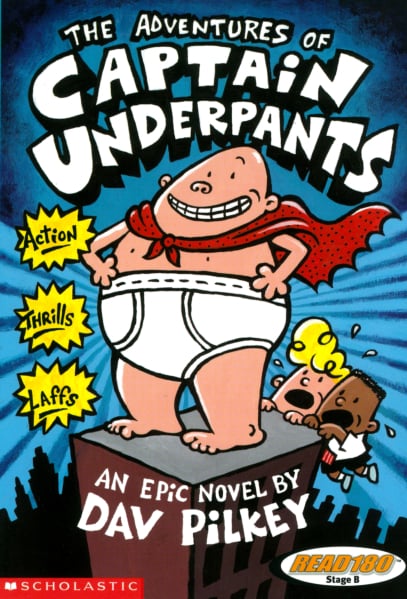
Parents need to know that this book is full of gross bathroom humor that many kids find funny. It may be a good fit for reluctant readers, but beware: it's the start of a huge series, and if your kids get hooked, they might be stuck on gross-out humor for a while. Cartoon-style pictures enhance over-the-top jokes and fast-paced action.
Bridge to Terabithia
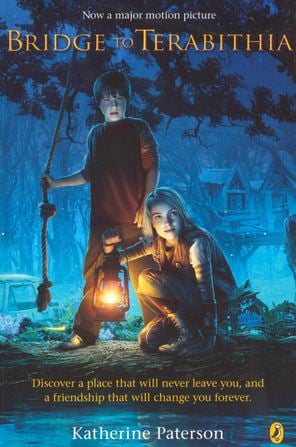
Parents need to know that this Newbery winner with positive and imaginative tween characters is a genuine tearjerker that deals with loss and grief.
A Wrinkle in Time
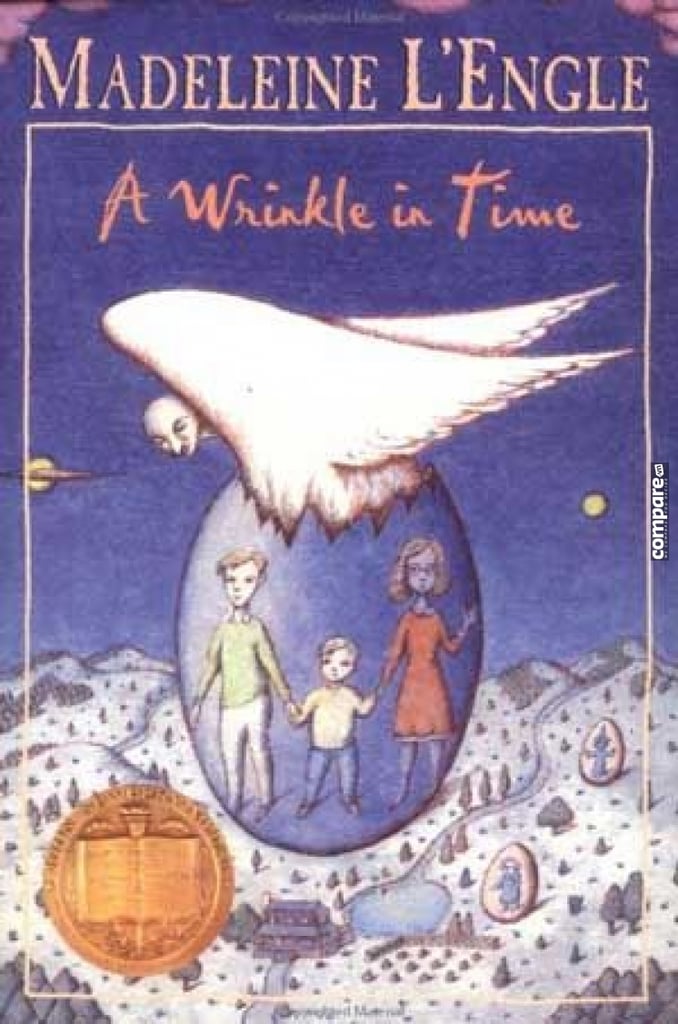
Parents need to know that A Wrinkle in Time is one of the great works of literature for kids. Besides being an exciting story, its messages of individuality, nonconformity, friendship, and courage have inspired generations of readers. This is a great book for kids who have ever felt "different" or lonely or who have wrestled with loss. It celebrates the power of individuality and bravery and love.
Are You There God? It's Me, Margaret.
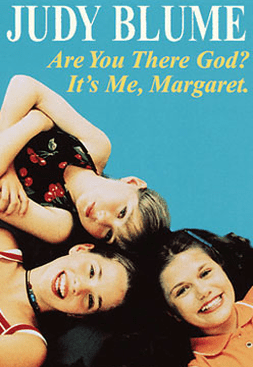
Parents need to know that this book presents a pretty realistic take on what it's like to be a sixth-grade girl (which means it's fine for girls a bit younger since they are always looking ahead): readers will find it easy to relate to honest Margaret, who says "I want to be like everybody else." There's some talk about periods, boys, bras, and bodies — and Margaret sneaks her father's Playboy for her curious friends to look at. She and her friends gossip about the most-developed girl in class, and, at a party, the kids play "Two Minutes in the Closet" and other kissing games. Margaret grapples with some big questions about growing up, including what religion she should be (if any). She talks to God in a very personal way and at one point even gets so angry at him that she refuses to talk to him anymore. Ultimately, tweens learn that they're not alone in wishing that they would hurry up and grow up.
The Golden Compass: His Dark Materials, Book 1
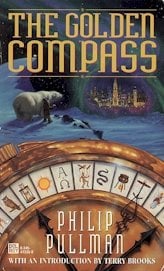
Parents need to know that this fantasy book contains some vivid descriptions of battle scenes. There are also some tense escapes from evildoers, two of whom are the heroine's parents, and two kids are killed. One of Lyra's virtues is her ability to lie convincingly, but she prizes friendship and loyalty: indeed, readers will root for this scrappy street fighter as she uses all her wits to outfox the villains and discovers mystical talents that she never knew she had. The British dialogue and clever twists on common words may confuse some Americans, but the fantasy will make readers' imaginations soar. Good choice for fantasy-lovers who've outgrown the kid stuff — and enough adventure for reluctant readers (especially if you start by reading aloud). Read by the author in the audiobook version.
The Giver, Book 1
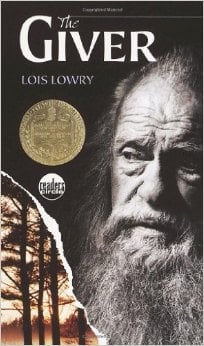
Parents need to know that Lois Lowry earned the Newbery Medal for The Giver, the first of a four-part series that examines a flawed utopian society. The novel has a disturbing scene in which Jonas witnesses his father euthanizing a baby by injecting it with a needle in the head. There are also mild sexual references. But the overall story is riveting — and the book is one of the most thought-provoking novels for children ever written.
The Adventures of Huckleberry Finn
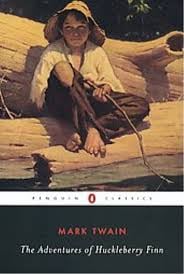
Parents need to know that this classic novel includes frequent use of the "N"-word (and other now-dated terms), but the book is clearly antiracist and antislavery. Children, especially younger ones, may need some help seeing how Twain uses the racist talk to show the stupidity of racism and the characters who espouse it. Huck has been taught to be racist, too, but he overcomes this, even though he thinks doing so is wrong — a clever approach that may be too sophisticated for some young readers to understand without help. There's also some violence and several deaths, including two children.
Bless Me, Ultima
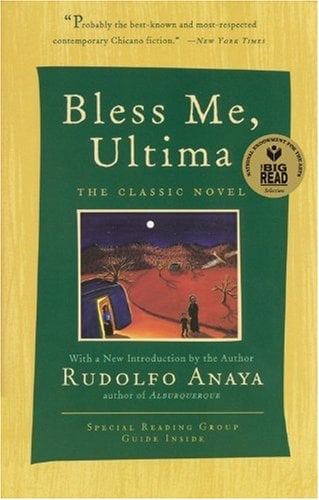
Parents need to know that Bless Me, Ultima makes it quite explicit that morals are subjective and not absolute. Catholicism is treated reverently, but its long-held and sometimes contradictory beliefs are constantly questioned. At the same time, pagan magic is depicted more as a Native American passion for and connection to the earth and its elements than as witchcraft.
Ender's Game
Parents need to know that Ender's Game is a gripping and emotional sci-fi novel that will appeal to older tweens and teens. The violence is at times quite brutal, as kids kill other kids and the main character's admired for his ruthlessly efficient violence, though he himself is disturbed by it. Some bullying by an older brother is intense and disturbing, and the conclusion to the story is shocking.
The Hunger Games, Book 1
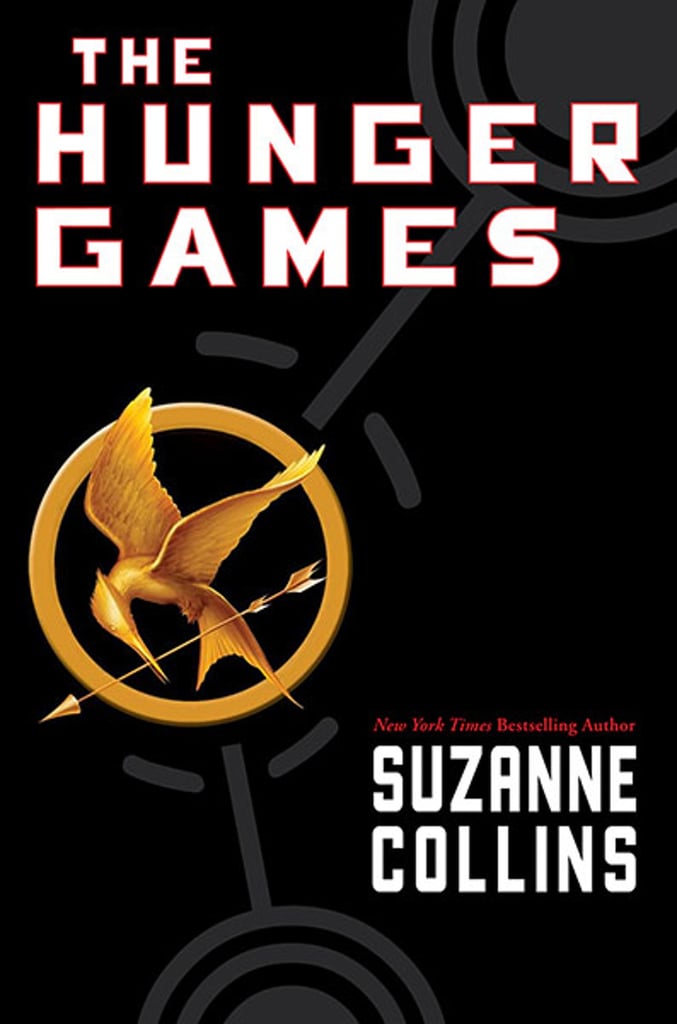
Parents need to know that Suzanne Collins's The Hunger Games is a story about a reality show where 24 teens must kill one another until only one survives. They do so with spears, rocks, arrows, knives, fire, and by hand. It's not unduly gory, but there is a lot of violence, all of it teen on teen. The Hunger Games was adapted for a 2012 film, and the second book, Catching Fire, was adapted for a 2014 film. The third and final book, Mockingjay, is being adapted into two parts, the first of which was released in 2014 and the second one to be released in 2015.
To Kill a Mockingbird
Parents need to know that To Kill a Mockingbird examines racism through the eyes of children Jem and Scout Finch in Great Depression-era Alabama, when a black man goes on trial for the rape of a white woman. There's some intense material in this Pulitzer Prize winner, first published in 1960: a drunk breaks Jem's arm and is killed with a knife. The children are stalked, and Atticus and his children face down a lynch mob in the middle of the night. But this is a true American classic and one of our most eloquent appeals for tolerance and justice. Lee accurately portrays both sides of this divided Southern society, and readers may be inspired to read more about the history of the time. Families may want to check out the 1962 film version.
Forever
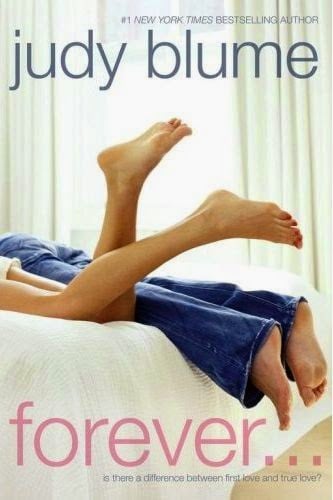
Parents need to know that this book is often challenged and even banned because of its depictions of teen sex. But it remains one of the best ways of discussing this very sensitive subject with your very sensitive teens. It deals frankly and responsibly with tough questions. Katherine has sex with her boyfriend, talks frankly about his penis, visits Planned Parenthood to get birth control pills, and discusses sex with her mother, grandmother, and best friend. She also deals with other adult issues: Michael's best friend tries to hang himself; another character, who has had many sexual partners, gets pregnant and has a baby; and Katherine's grandfather dies. There's some drinking, and some characters smoke marijuana. Readers who are mature enough for the content will find a very realistic portrayal of first love — and a thoughtful protagonist who considers carefully before deciding to enter a sexual relationship. There are plenty of opportunities for parents to use this book to talk about their own values about sex, birth control, teen pregnancy, and more.
Twilight: The Twilight Saga, Book 1
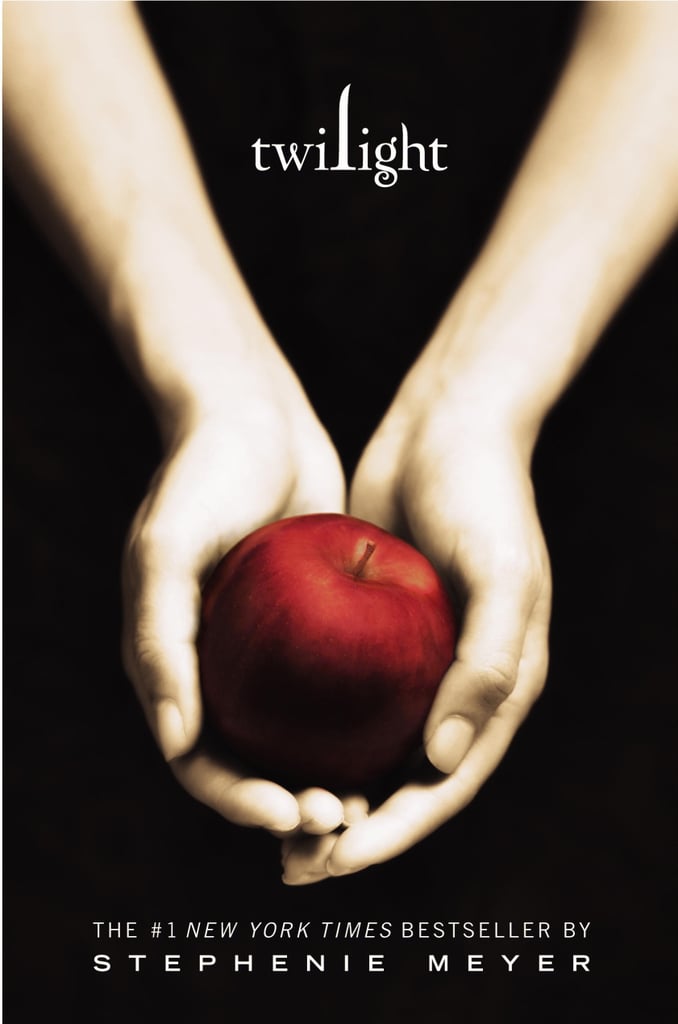
Parents need to know that, while very mild by the standards of its genre, this is a vampire romance, so there is talk about blood and romantic kissing, as well as one battle with bloody injuries.
The Absolutely True Diary of a Part-Time Indian
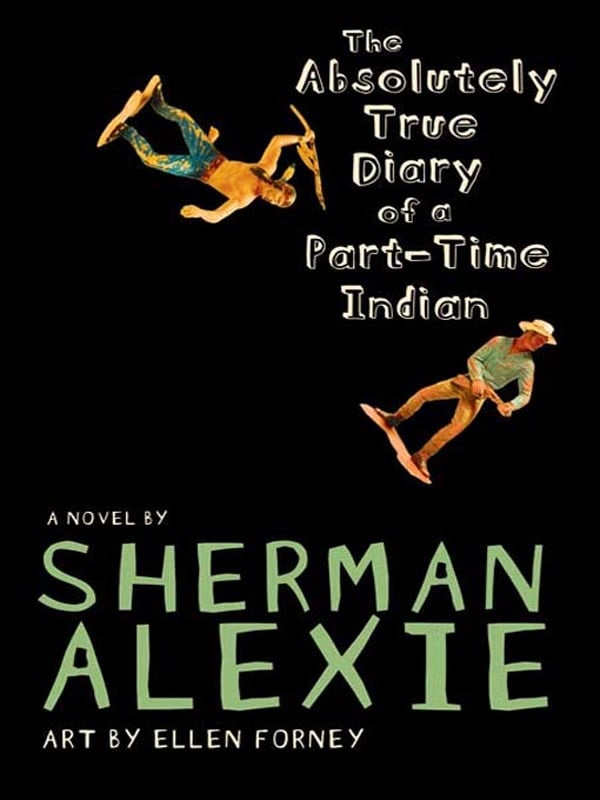
Parents need to know that this National Book Award winner presents a powerful look at the life of Native Americans on reservation, and the struggles one teen faces in an effort to escape. There is some gritty material including swearing, racism, homophobia, references to masturbation, erections — and alcoholism is a major theme. Teens get in a number of fistfights, and three people close to the main character die. Yet teen readers will get a lot from Junior's story: his sincere and sardonic voice is expressed not only in his writing but in his comics about his life, family, and friends. This device contributes a lightness to even the darkest moments and allows Junior's anger and wit to come shining through.
The Catcher in the Rye
Parents need to know that this book remains one of the best books about adolescence ever written. Any language used — and it is chock full of mild to moderate swearing, and "f*ck" is used several times — is in the service of being true to the nature of a rebellious teen. There are also lots of sexual references, and everyone smokes and drinks — including the underage protagonist. Holden refers to homosexuals as "flits." People have used these instances in an effort to have the book banned. But those who would do so miss the point of the book, which is a compassionate tale of a child adrift in the world. It's an American classic that everyone should read.
The Great Gatsby
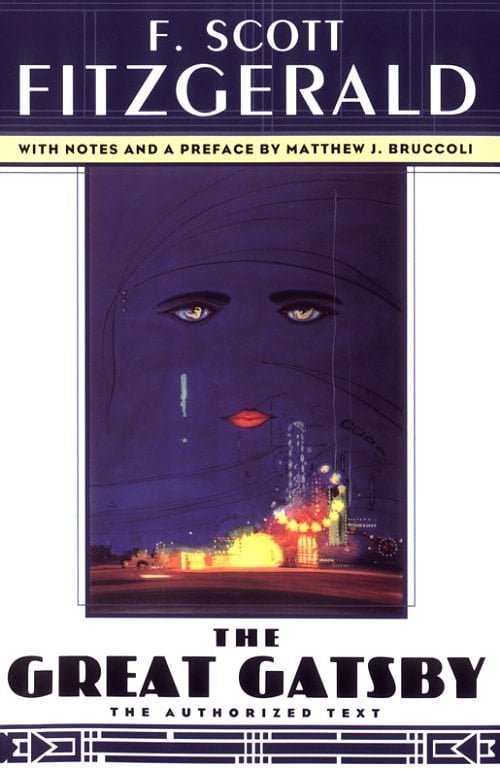
Parents need to know that The Great Gatsby is at once a romantic and cynical novel about the wealth and habits of a group of New Yorkers during the Jazz Age. Fitzgerald's writing is unassailably magnificent, as he paints a grim portrait of shallow characters who maneuver themselves into complex situations. This classic American novel is required reading for a lot of high school students, and it can definitely be appreciated and understood on some levels by teenagers. However, Fitzgerald's use of language and symbolism is best appreciated by mature readers able to analyze literature and think critically. Parents also need to know that some characters express racial and religious prejudice.
Thirteen Reasons Why
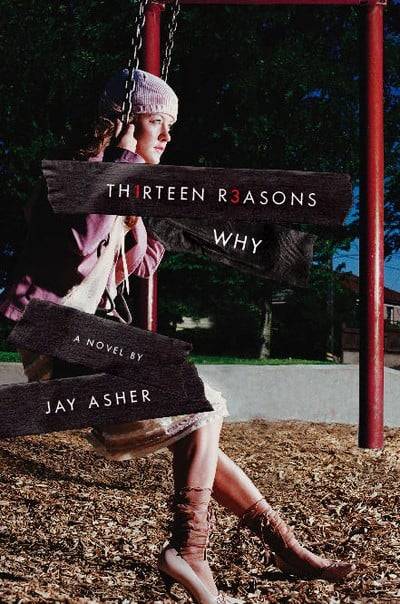
Parents need to know that this bestselling novel is about a teen girl's reasons for committing suicide, which she articulates in audio tapes she sends to 13 people, mailing them on the day of her death. The book includes discussion of rape, voyeurism, underage drinking, sexism, revenge, and survivor's guilt. There are positive messages here about the importance of treating people with kindness — and about the price of inaction — that parents and teachers may want to help teen readers think and talk about.
Beloved
Parents need to know that this Pulitzer Prize-winning novel is on many high school required reading lists because it's a classic that will leave a lasting imprint on readers. It's true that Beloved is the 26th book on the American Library Association's Top 100 Banned/Challenged Books for 2000-2009 and has been challenged for its violence, sexuality, and more: it features a gritty infanticide, racial language, horrific sexual assaults, and even references to sex with animals. But teens are mature enough to handle the challenges this book presents. At this age they can decide for themselves what they think about disturbing personal and historical events. Beloved is a beautiful, powerful book that will help all readers learn about the horrors of slavery — and leave them thinking about what it means to be a strong, heroic, or moral person.
The Bluest Eye
Parents need to know that The Bluest Eye is the first novel by Nobel-prize winning author Toni Morrison. The book is a complex investigation of ideas of physical beauty among blacks and whites and the ways racial attitudes and other life experiences damage the lives of these characters. Pecola Breedlove's self-hatred and her wish for blue eyes are an outgrowth of the way she's treated by her family and the world in which she lives. Sexual behavior is also very complicated in this novel from 1970. Sex acts and feelings between adults are described, and more than one grown man behaves inappropriately with young girls. There is also incest and domestic violence, including a sexual assault on an 11-year-old girl. Even teens may need some adult guidance to understand the world of the novel, in which many characters seem driven by emotional and sexual feelings they can't control.
The Color Purple
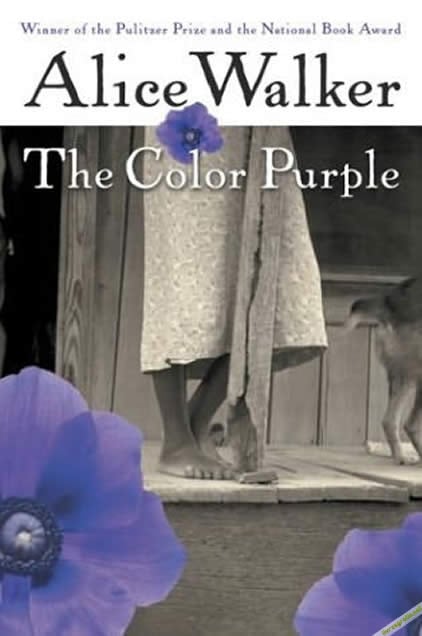
Parents need to know that The Color Purple is a moving, inspirational novel told in letters that includes an abundance of mature content — explicit sex, rape, incest, sexism and violence toward women, and a lesbian relationship. The book vividly portrays the harsh life of rural, poor African Americans — especially women — in the pre-civil-rights South and has been criticized for its negative depiction of African-American men. It ranked No. 17 on the American Library Association's list of the 100 Most Frequently Challenged Books 2000-2009 due to its sex, violence, and strong language. The novel was adapted for Steven Spielberg [2]'s successful 1985 film version and a 2005 Broadway musical.
The Grapes of Wrath
Parents need to know that this Pulitzer Prize-winning novel about sharecroppers struggling to survive the Great Depression, fleeing the Dust Bowl in Oaklahoma for California, is as harsh and gritty as its time. There’s drinking, smoking, swearing, and extramarital sex, and violence stalks the Joad family and their fellow migrants. But its realism and passion have made it a must read for generations. Families may want to follow up the book with a viewing of the well-regarded 1940 film version.
Slaughterhouse-Five
Parents need to know that Slaughterhouse-Five has become one of the great cult classics of all time. The main character belongs in the same class as Forrest Gump or Huck Finn; he's an innocent witness to history. The novel was originally written for adults and, though not particularly graphic, has sexual, violent, and explicit language content. That said, it's no different than your average teen novel of today and is a great intro to Kurt Vonnegut's work for mature teen readers.
1984
Parents need to know that 1984 presents an unblinking portrait of life lived under constant surveillance and stands as one of the great dystopian satires of the 20th century. Author George Orwell also wrote Animal Farm, a satirical allegory about the abuse of power.
The Kite Runner

Parents need to know that The Kite Runner by Khaled Hosseini tells the story of Amir, who grows up in Afghanistan during the 1970s and '80s and eventually moves to the San Francisco Bay Area. Cultural prejudice and the political power shifts as the Russians invade, and the Taliban later takeover strongly affects Amir's relationships. The novel includes graphic descriptions of extreme cruelty and violence, including homosexual rape, murder, beatings, and a suicide attempt. Alcohol and drugs are used in appropriate ways, though the righteousness of drinking's part of religious discussions about Islam. This beautiful, moving novel deals with complex adult issues about religion, prejudice, forgiveness, and the nature of "goodness."
Looking For Alaska
Parents need to know that this book hits all the controversial pulse points: drinking, sex, bad language, and smoking, including marijuana smoking, but as Michael Cart, former president of the Young Adult Library Services Association and former chair of the Michael L. Printz committee, says in the publisher's discussion guide, "There is nothing (I repeat, NOTHING) gratuitous in this book. Everything in it serves to define character, give style to voice, and develop theme." Indeed, this award-winning book is on many high school reading lists and can help both teachers and parents talk about loss, friendship, and the importance of self-discovery.
Native Son
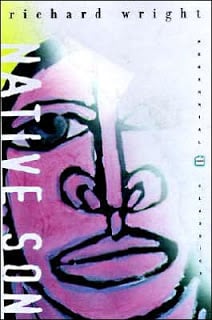
Parents need to know that this book, a literary classic, takes place in a racially divided, violent, and sometimes sexually explicit setting. The power of this book lies in its gritty, straightforward, and controversial depiction of the results of institutionalized racism and bigotry in the United States. There is racially charged language, two murders, a rape, other sexual activity, and capital punishment.
The Perks of Being a Wallflower
Parents need to know that this coming-of-age classic features a lot of mature material including an abortion, repressed memories of sexual abuse, and men having sex with one another (sometimes anonymously). Characters, including the teen narrator, drink, smoke, and use drugs. Even so, it has become a classic of sorts because of its tender coming-of-age story that's easy to compare to The Catcher in the Rye. Parents who are concerned about the mature material may want to consider reading it along with their kids.
Brave New World
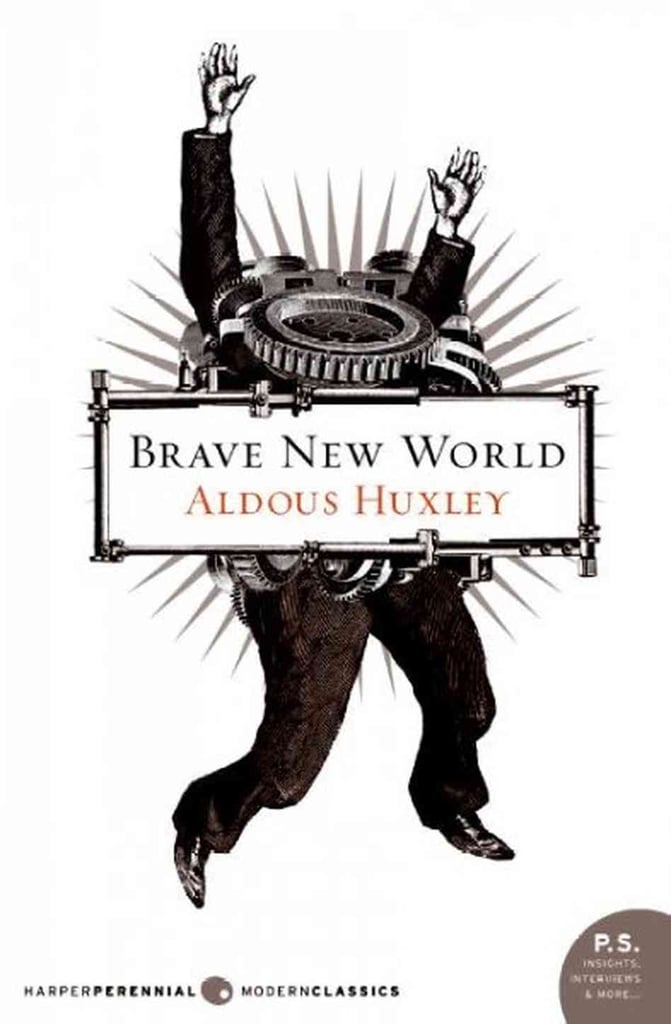
Parents need to know that Aldous Huxley's 1932 novel Brave New World is one of the most famous dystopian satires in the English language. Set in a society given completely over to pleasure and consumerism, it is both humorous and chilling and ultimately raises questions about what makes us human. Although there are no explicit descriptions of sexual acts, promiscuous sex is the norm, and there is a violent orgy. There is also a suicide. Citizens of the World State take a tranquilizing, hallucinatory drug called soma, and on an Indian reservation, residents drink mescal and use peyote during tribal initiations.