Whether you have a child who rarely seems interested in what the other kids his or her age are up to or is the one who has trouble making friends in new situations, you might find it true that you have a timid kiddo on your hands.
While shyness is a personality trait that is determined by the unique way a person's brain adjusts to the unfamiliar and can't necessarily change, according to the journal Social Cognitive and Affective Neuroscience [1], there are tools to coach your child to work on accepting new situations with a little more ease. When observing your child for reserved tendencies, it's also important to keep in mind that times of transition intensify shyness so those first preschool years can be particularly hard for timid children. Even the overly confident kid can turn reserved during this time of development and drastic change [2].
If you fear that your child is timid as a result of suffering from social anxiety, be aware of his or her needs without being overly concerned. Not only did a recent study [3] show that half of all teenagers in the United States think of themselves as shy, but also half of adults classify themselves as the same — yet, they are still able to successfully handle most social situations. If your little one exhibits any of the following 10 signs of being a timid child, it's important to remember that with some guidance, these kids can still connect happily with others, enter new groups, and speak up for themselves.
They can have a split personality

This little one can be a total chatterbox with family but goes completely silent around strangers. If your child clams up, it can be for a good reason — kids know that you have certain expectations for how they should act with formal introductions and sometimes feel uncomfortable under pressure. This situation also sends mixed signals because we tell kids not to talk to strangers but also expect them to be warm when meeting people for the first time.
They’re a follower

You notice that your child doesn't always stick up for himself to siblings or peers and goes with the flow in almost every situation. To help your little one learn to stand his or her ground, you can work on building their self-esteem by giving them specific praise that highlights what they are doing well in social settings. You can also set up situations where you know that they'll succeed and compliment their work.
They identify with inaccurate beliefs

This is the child that can be their own worst critic and undervalues their own self-worth. If your child suffers from low self-esteem, play the devil's advocate with them and offer them a different — and even optimistic — perspective on the situation. These negative and self-critical comments will lessen as their self-image improves.
They aren't great at making new friends
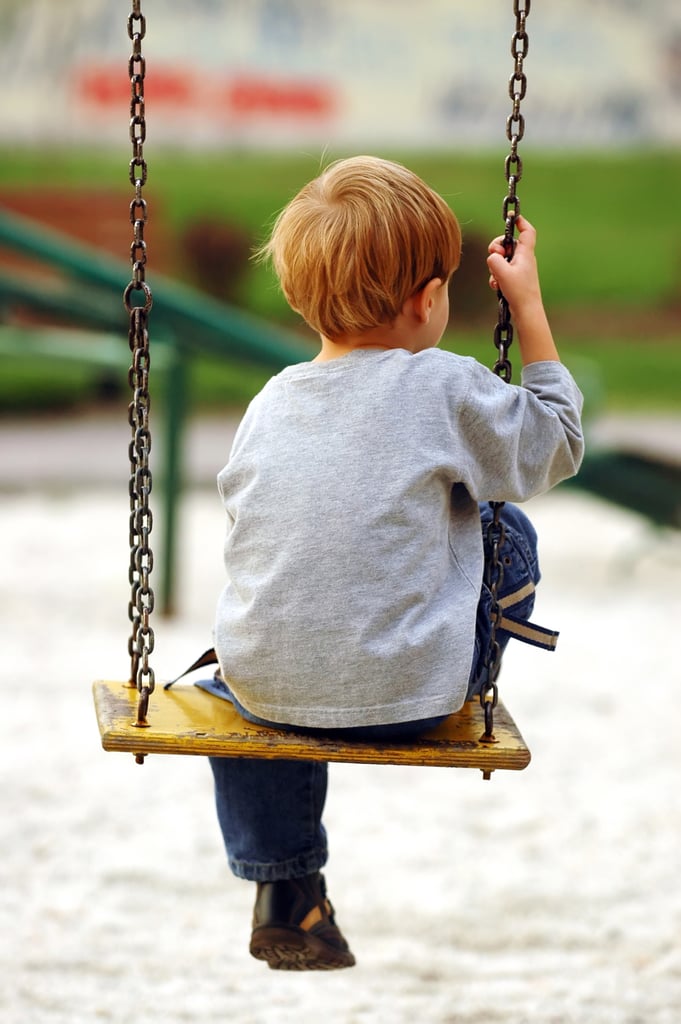
This kiddo isn't the type who can just approach a new group of kids at the park and instantly become best friends. If they have trouble breaking into new social groups, you can take some of the pressure off by explaining that having fewer friends that they connect with is more important than having a ton of acquaintances. You can also work on developing these new social skills be fostering less intimidating situations — like setting up one-on-one introductions/play dates — and you can also build their confidence by role playing with them so they can learn how to initiate a new game or introduce themselves to a classmate.
They avoid new tasks
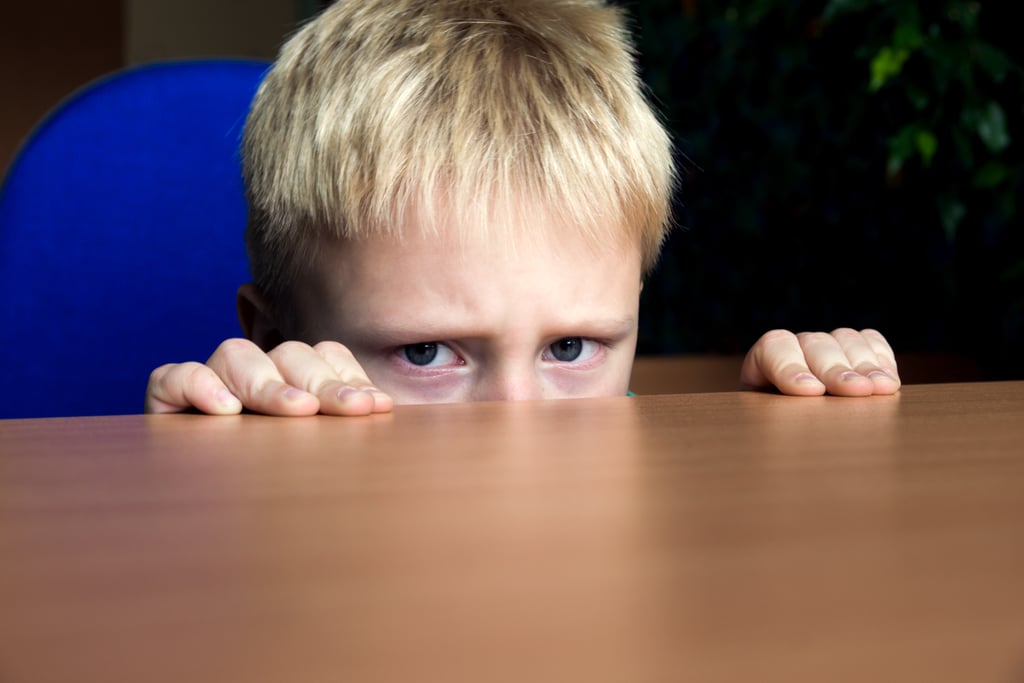
Whether your child does everything in their power to avoid the unfamiliar or gives up on a new task as soon as they get the least bit frustrated, this isn't always because your little one is being lazy or difficult. To a kid with a fear a failure, it's better to quit than to fail trying. To combat this problem, try asking them for help with a simple project — showing that you have confidence in their ability is the first step in building their self-trust. When they see themselves excelling in a new situation, they'll be more willing to try out new roles on their own.
They are a wallflower
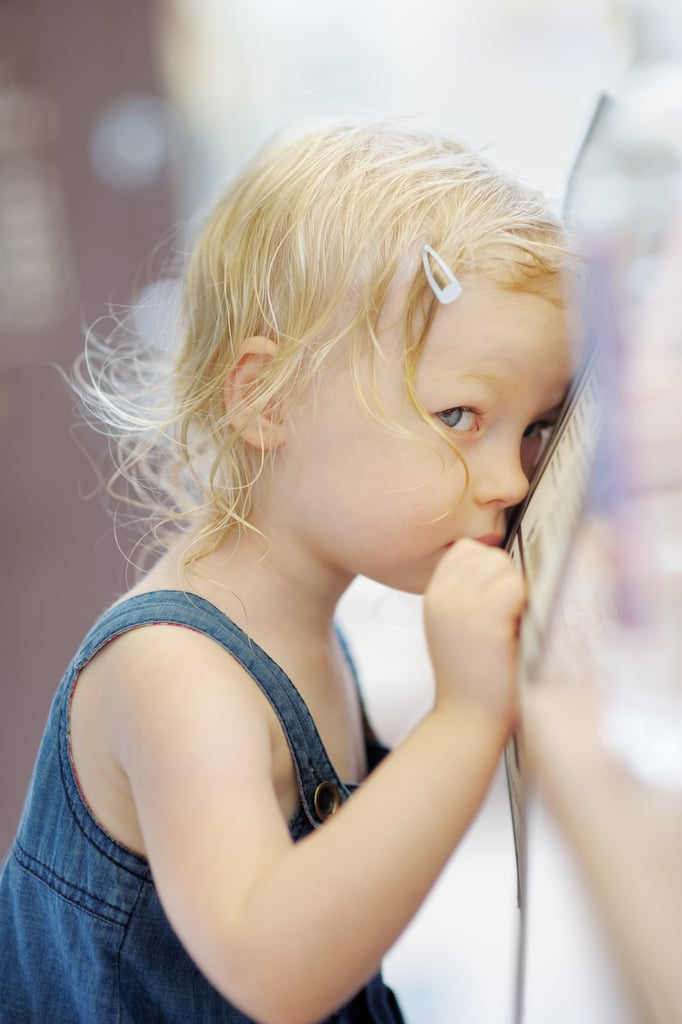
This is the child who instinctually shies away from social situations and just prefers to keep to themselves. These kids overthink what others are thinking about them and become crippled by this worry. Children who are socially anxious need downtime and you should be sure to make them feel valued even if they aren't "performing." These kiddos will also benefit from extra opportunities to practice their social skills and role play to work out what to do in their worst-case scenarios. Just feeling prepared and in control will be key in easing their fears.
They struggle with basic social skills

Whether they have a hard time making eye contact when asking a question or barely speak at an audible volume, these kids need some reassurance when it comes to their social skills. Work together to build their comfort level with specific goals by practicing together. Once your child feels comfortable doing it at home and then with family, he or she will be more comfortable using this new skill set around new people.
They are always comparing themselves to others
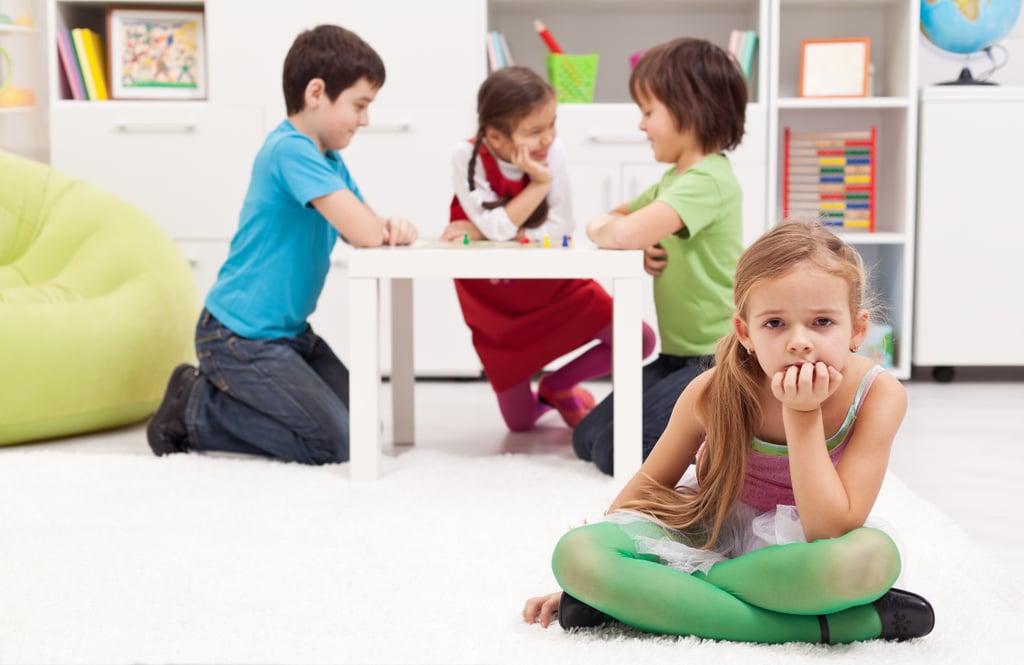
If you notice that your child is always holding back out of fear of what the others will think or because they worry that they aren't good enough, their internal comparisons are hindering their social growth. Put an end to this unwarranted sibling or classmate comparison by making a focused effort to boost their self-worth. Also acknowledge that insecurities are a normal part of life and teach them that facing their fears will build their confidence.
They are sensitive

These are the children who are highly affected by the environment around them. Help your little one by noticing and acknowledging their needs. Creating a safe and nurturing environment will teach your child how to calm themselves and manage their internal reaction to situations. This will allow their sensitive side to become an asset as they grow — they'll be the friend who is more responsive to others' needs and can negotiate social situations among peers.
They have anxiety
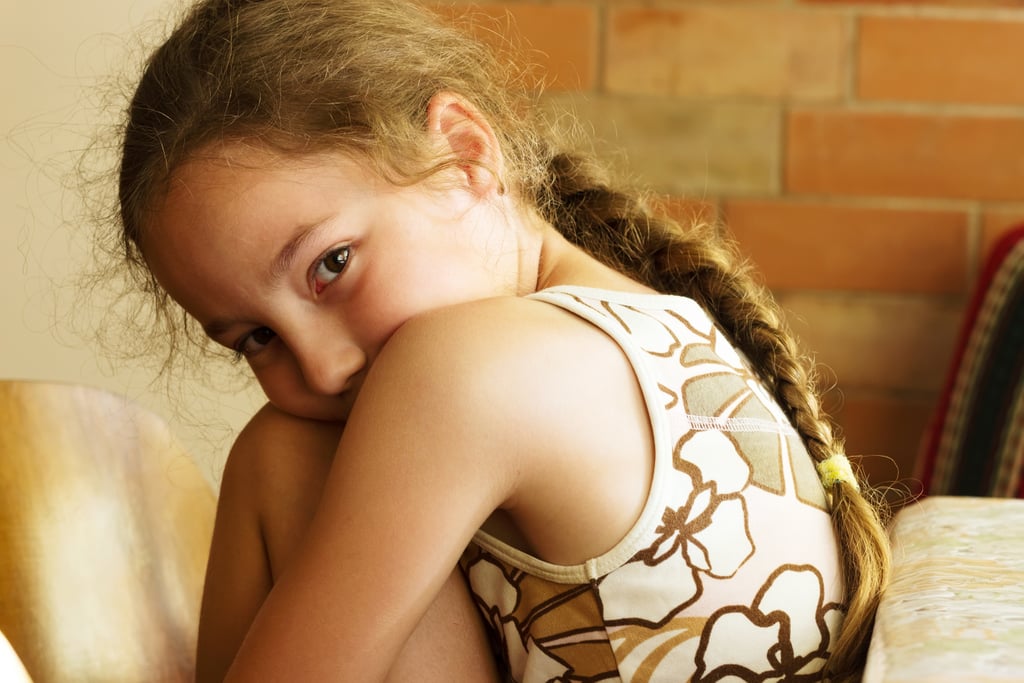
This child avoids social settings out of fear of any situation involving the unknown. Empathize with your child's concerns and verbally work through them instead of shaming them for their worries. Acknowledge their discomfort — the more they think something is wrong with them or the situation, the more reserved they will act.
If any of these signs ring true to your child, here are some helpful tips to change their timid behavior [4] for the better.
- Continue introducing and encouraging new experiences. While you don't want to force them to immediately jump right in, being isolated can make their anxiety worse. Teach them how to cope with new experiences by slowly pushing them outside of their comfort zone. Start with compromises at first, like staying near them during new situations while they build their confidence.
- Role play and read helpful books together. This will help kids feel more comfortable with what to do in a variety of situations. Working on their fears is essential in learning skills and helping to manage anxiety.
- Gradually help them build independence. By setting them up for success with certain tasks, you can build their self-esteem and willingness to take on more responsibility outside of their comfort zone.
- Take the pressure away by letting your child just be themselves. Teach them that it's OK to be more reserved but that doesn't mean they can't also be confident. Ensure them that they don't have to worry about always being "interesting" as long as they learn how to be interested in their friends.
- Don't push them in introductions with strangers or make them feel embarrassed when they don't greet new people how you'd ideally like them to. Allow them to be shy if need be and then practice another time in a comfortable environment.
- Don't explain away their shyness — the more you make excuses or label them as "shy" the more they'll think something is wrong with them. Try humblebragging to other adults in front of your kiddo — just hearing positive encouragement and agreement from other adults can sometimes go further than praise from their own parents.