When you're a parent, "What's for dinner?" suddenly becomes less of a casual question and more of a daily pop quiz. Add picky eaters to the mix, and the freezer aisle starts looking pretty appealing. Sure, social media is a treasure trove of meal inspiration [1], but for some parents, the answer isn't another scroll. Professional cooking classes, it turns out, may be the confidence boost parents need to make family meals a little more manageable.
That's exactly what Jenna Davis, a mom of three, set out to do. "I was actually classically trained under a chef for a year in my 20s, so cooking itself was never really the challenge for me," she says. "But once I had kids, I realized that knowing how to make 'fancy' food and knowing how to make food my kids would actually eat were two very different things."
Like many parents, Davis found herself navigating the uphill battle of feeding extremely picky eaters [2]. But rather than letting their selective taste buds dictate the weekly menu, she signed up for regular, hands-on classes focused specifically on cooking for children. The goal wasn't to master restaurant-quality dishes, though: She wanted to take the culinary skills she already had and make them work in the more practical realm of family dinner.
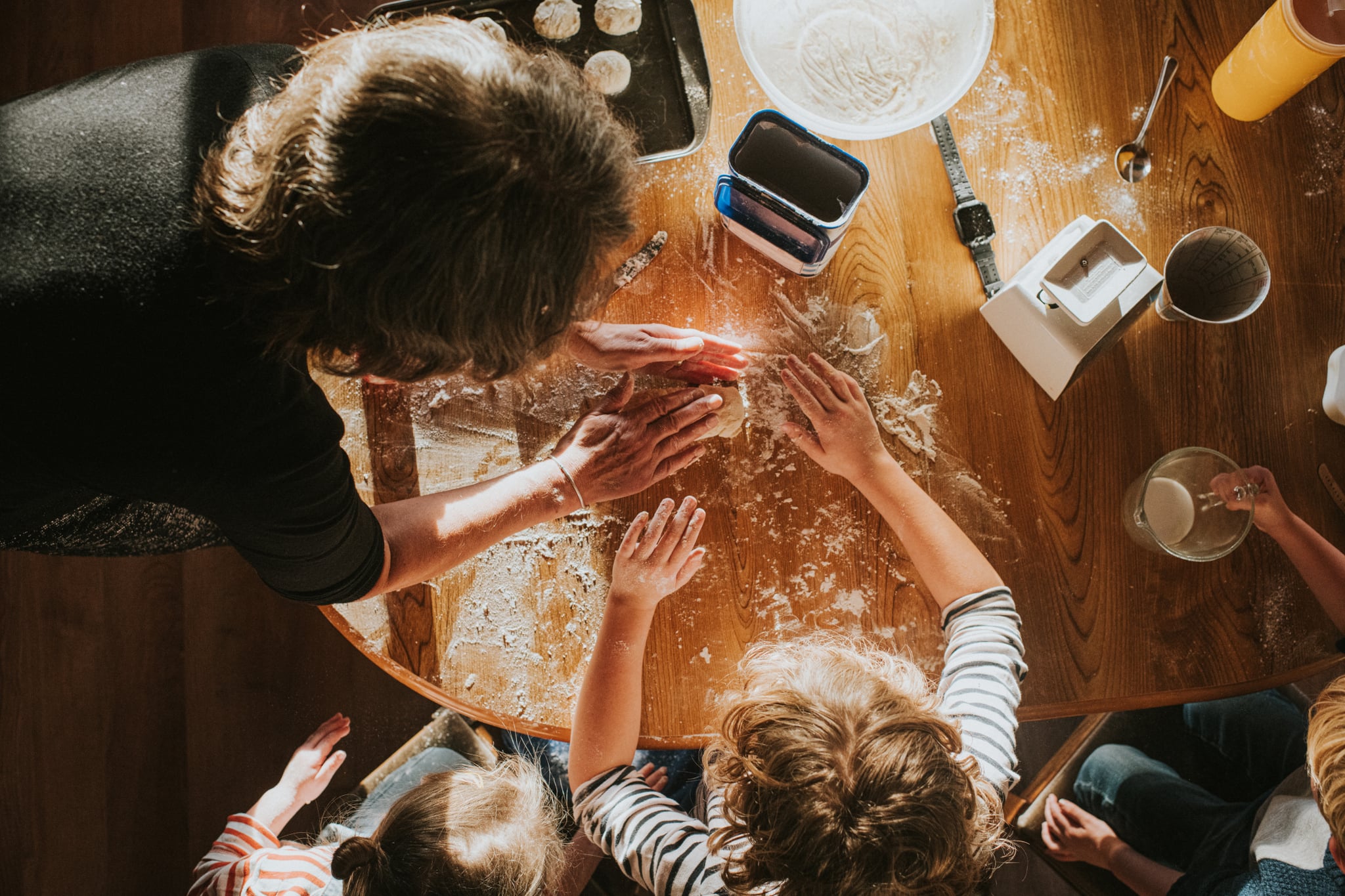
The classes certainly provided a handful of useful recipes, but for Davis, the techniques proved more valuable in the long run. "I learned how to make healthy ingredients more appealing, how presentation can change the way kids respond to food, and how to involve them in the cooking process," she says. For example, rather than serving broccoli as a side dish and hoping for the best, she might roast it until the edges were crisp, pair it with a dipping sauce the kids already liked, or let them help toss it with seasoning before it went into the oven.
And it worked. The shift in approach made a big difference. Instead of focusing on finding the one perfect recipe her kids would eat, Davis began using what she learned in class to make healthy foods more appealing and mealtimes more engaging. "Cooking for kids is its own skill set," she says. "Rather than feeling like I was constantly trying to convince my kids to eat something healthy, I learned how to take the culinary techniques I already knew and make them more approachable."
One example is okonomiyaki, a savory Japanese pancake that's become a household favorite among Davis's kids. On paper, it might not sound like the most obvious choice for fussy eaters. But Davis found that the way she prepares and serves it matters almost as much as what's in it. "I make a whole show of cooking [okonomiyaki] on the griddle, and my kids are so excited about the experience that they don't even realize they're eating mostly cabbage," she says.
A fresh approach to mealtime can also help families move beyond cooking the same dishes over and over. For Angela Acevedo, a mom to a teenage son, mealtime had slowly settled into a familiar loop: the same few dishes, the same predictable favorites, and, eventually, very little excitement for either of them. "My son is a picky eater, and to avoid arguments, I had fallen into the habit of making the same dishes repeatedly, but eventually, we were both bored," she says.
So instead of continuing to serve the same greatest hits, Acevedo decided to shake things up by enrolling in virtual cooking classes through Nourish and Gather [3]. "My main goal was to learn how to use familiar ingredients in different ways so we could expand our meal choices without making food feel completely unfamiliar to my son," she says.
In this case, the goal wasn't to introduce entirely new foods, but to give familiar ingredients a fresh spin by giving them a different role on the plate. Chicken, vegetables, and rice might become a stir-fry one night, tacos another, or a simple rice bowl with different toppings. Ground beef can show up in burgers, meatballs, or stuffed peppers, while familiar vegetables can be roasted, blended into a sauce, tucked into quesadillas, or served raw with a dip. For Acevedo, the idea was to keep ingredients recognizable while changing the flavors, textures, and presentation enough that dinner didn't feel like the same meal on repeat.
Maybe that's the part many parents can relate to most: Feeding kids well doesn't have to mean mastering complicated recipes, keeping a Pinterest-worthy pantry [4] stocked at all times, or pulling off the latest viral dinner hack. Sometimes, it's simply about finding a few strategies that make healthy food feel less intimidating and giving kids a reason to be curious about what's on their plates.
After all, the real payoff of cooking classes isn't a table full of elaborate, chef-worthy dishes that can transform picky eaters into adventurous foodies. It's kids who are a little more willing to try, meals with more variety, and parents who feel more confident about what they're serving.
"My kids are still picky, but I've learned that they are much more excited about food when they feel like they have some ownership in it," Davis says. "Turning meals into an experience has made a big difference because I can still prioritize fresh, healthy ingredients, but I've learned how to make them approachable, fun, and something my kids genuinely look forward to eating."

Andi Breitowich [6] is a Chicago-based freelance writer and graduate from Emory University and Northwestern University's Medill School of Journalism. Her work has appeared in PS, Women's Health, Cosmopolitan, and elsewhere.