The Met Gala [1] has rightfully earned its place as the Super Bowl of the fashion world. While the comparison is fair, given the high stakes and and the all-star players, nothing really can compare to the glitz, the glamour, and well, the chaos. The industry's biggest event is jam-packed with stars, gowns, jaw-dropping details, and can't-miss moments — and if you're a photographer on the ground, it's your job to capture it all. Talk about pressure.

Enter Shutterstock photographer Stephen Lovekin, who's documented the whole thing for seasons. Ahead of the big night [3], Stephen gave us an inside look on what goes into prepping for the event, the red carpet madness that ensues, and his tricks to getting the perfect shot — and staying sane (hint: meditation is involved). Read on as he takes us behind the scenes.
On the thing no one knows about the Met Gala — from a photographer's POV
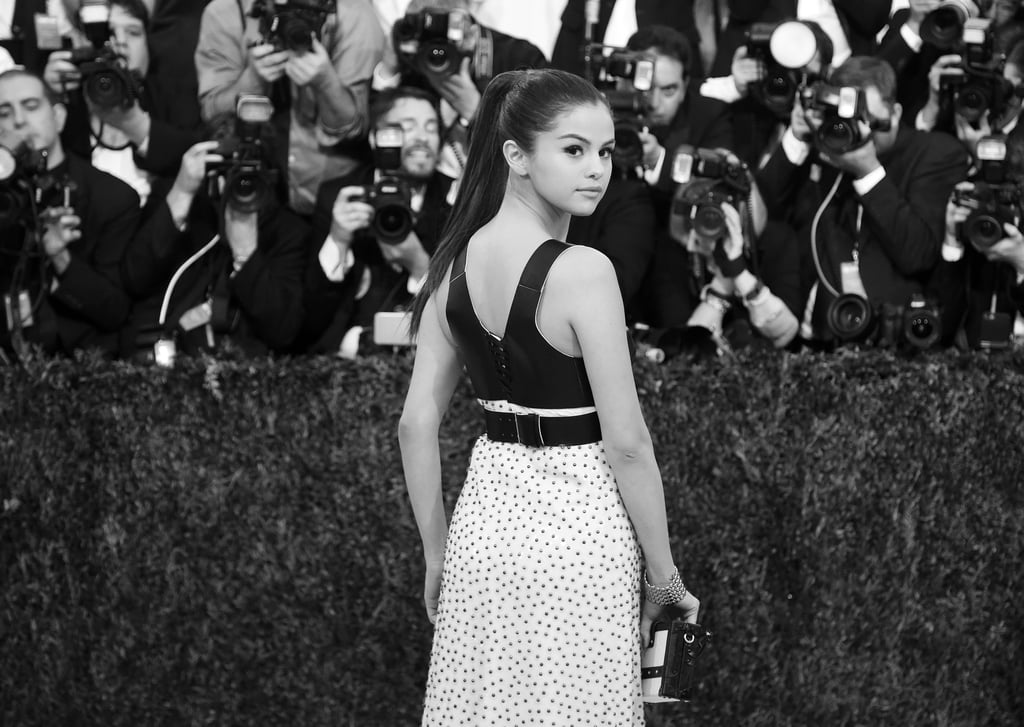
"People get to see the amazing images that come out of the event, but only photographers know and experience how physically cramped the space can be in which to get your shot. If you make a sudden movement with your arm, or lean too far in one direction, you may wind up blocking the shot of the photographer next to you. It's that tight a space. And you only have a few seconds to get what you need.
Everyone tries to be polite and professional about it. Sometimes you miss a shot, but you have to be able to bounce back and get the next one. You develop certain techniques to make the most of the space you have available to you. That's all an expected part of the process at a high-profile event like this one. You have to remain calm under pressure."
On the planning that goes into the event
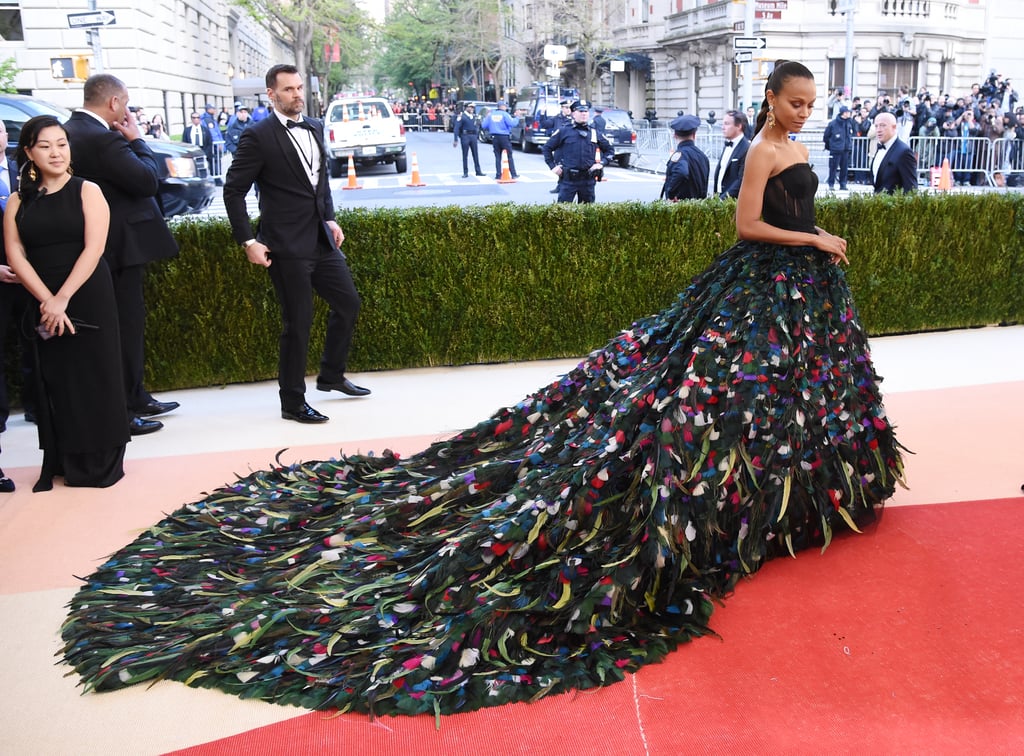
"Preparation for this once-a-year event is intense. I like to compare the Met Gala to the Super Bowl. We begin plotting it all out weeks in advance, working through every last detail about which photographers will be attending and where we'll each be positioned. In the days leading up to the event, we do walk-throughs to make sure that what we'd planned can in fact be executed. You want to identify and remove any uncertainties from the process so your operation can run as smoothly as possible.
I show up around 4 p.m. the day of the event and get set up both with my equipment and in my mental preparation. I do some visualization exercises. I have started to meditate, too. The red carpet can be chaotic for a few hours, but what people don't realize is that there's a long night of editing afterward. In total, I'll work somewhere between 10 and 12 hours."
On getting celebrities' attention
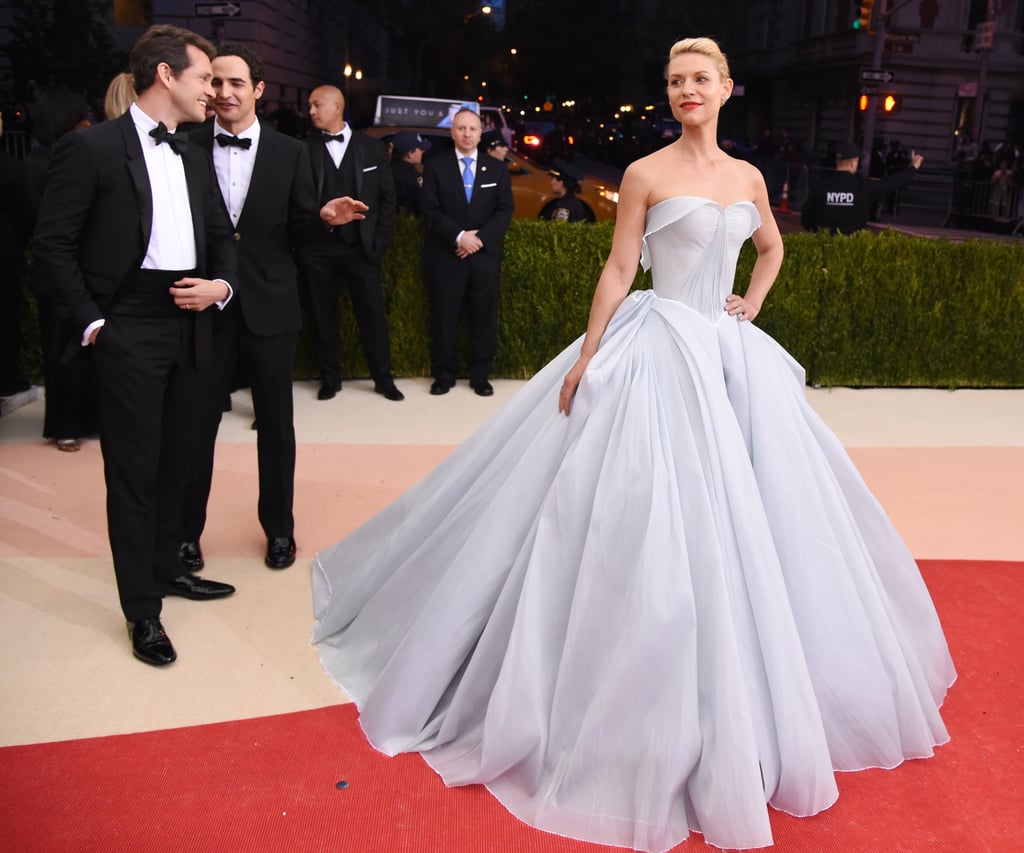
"I really dislike the yelling. It's what everyone associates with the chaos of the red carpet, but in my experience it's not necessary. Once someone starts doing it, others join in. I prefer to go a different route to grab someone's attention.
My son gave me a blinking light that is now a part of my gear I bring along with me. I can attach it to my equipment when I believe it's needed. I've seen that light connects with people better than anything I could have shouted at them, and some celebrities seem to appreciate better a non-yelling method.
With anything I do, I am trying to make eye contact with the person coming by. That'll always be the best way to make a connection with someone else."
On the celebrities that love the camera
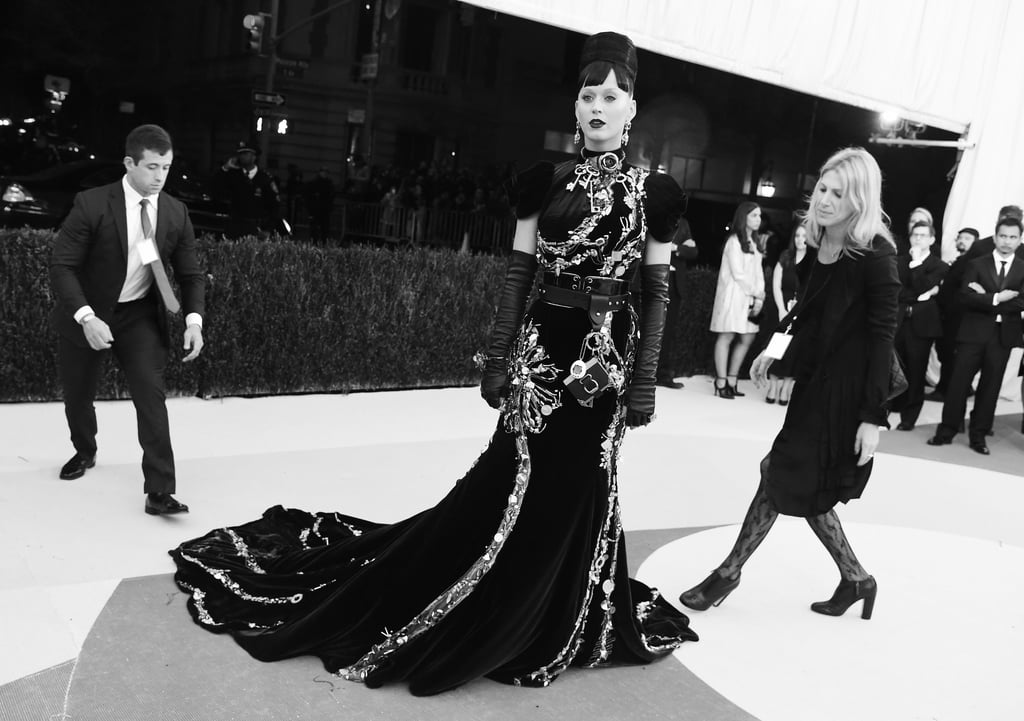
"You have to remember that even though they're all famous in someone else's eyes, different people are built differently. Some celebrities thrive in the spotlight, while others shy away and move quickly through the line. Katy Perry [4] comes to mind as someone who really enjoys being on the red carpet, and that can be a real help to photographers. You learn to work with everyone's preferences and styles. We cover so many events — six or seven nights a week — that we see the same faces over and over. You get used to their preferences and choices. Though sometimes people can surprise you if they're in particularly good mood."
On the first and last stars to arrive
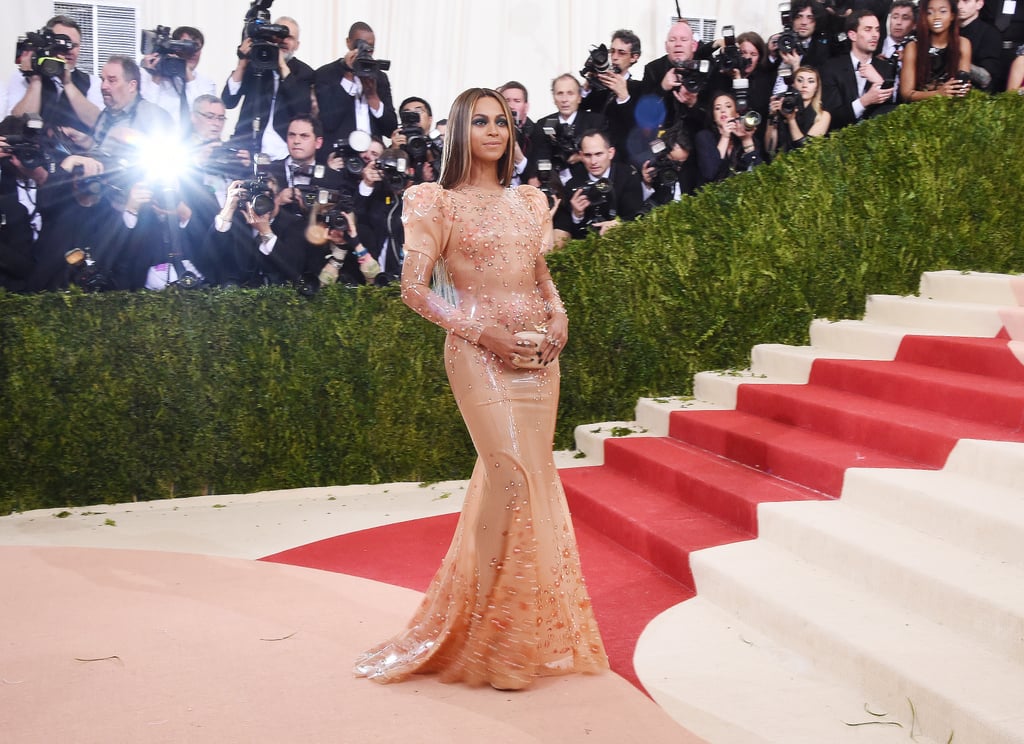
"The first people to arrive are usually the models and socialites, people that are probably lesser known. If they're attending the Met Gala, though, you know they deserve attention. It's good to start out the night that way to make sure you have everything you need before the bigger names begin to arrive. By then, you're really rolling.
Beyoncé and Rihanna [5] are the stars of the Met Gala, and they come later on so they get the carpet all to themselves. This can be especially useful since their gowns tend to be so lavish that they actually need more space to spread out the trains. Those moments result in the glamorous shots we all associate with the Met Gala."
On his favorite Met Gala moments
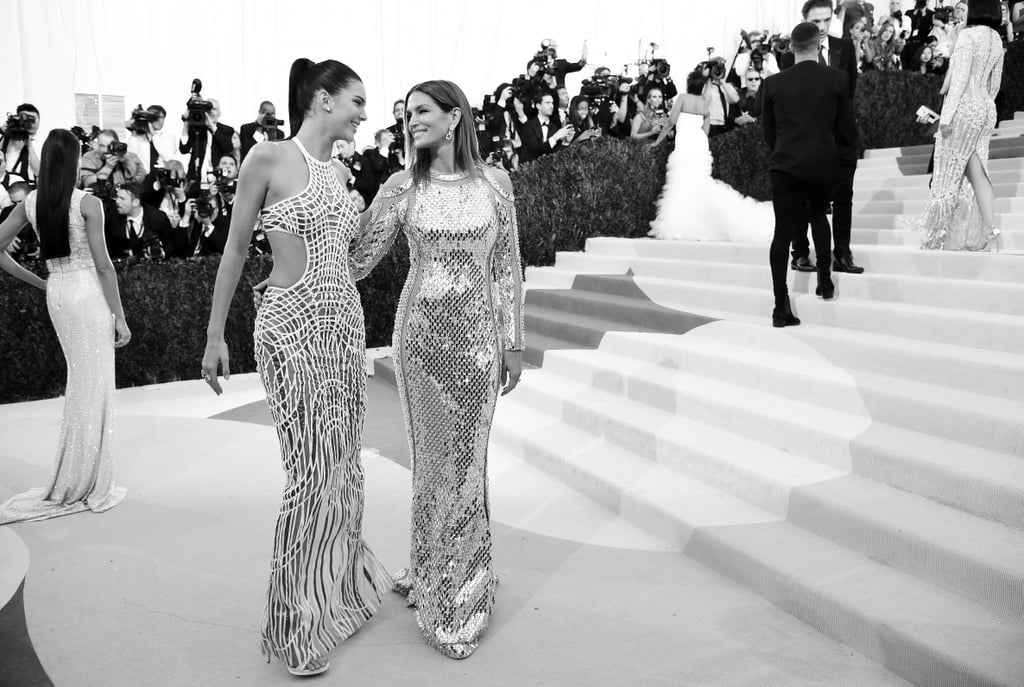
"It's hard to pick just one. I'm expecting to take my 'bread and butter' shots, knowing what publishers are looking for. That's almost entirely focused on the gowns and the accessories. You know what the essential shots look like even before the event starts.
However, I know I'm also on the hook for the candid shots, which are what excite me most. I look around at what's happening along the carpet, spotting which celebrities are congregating with others. I want to capture those real moments. The standard shots are what sells, but many of my proudest and most memorable ones are the unexpected shots. So my favorite moments are the ones that I couldn't have planned for, and they just happened in front of me."
On the craziest thing he's done to get the shot
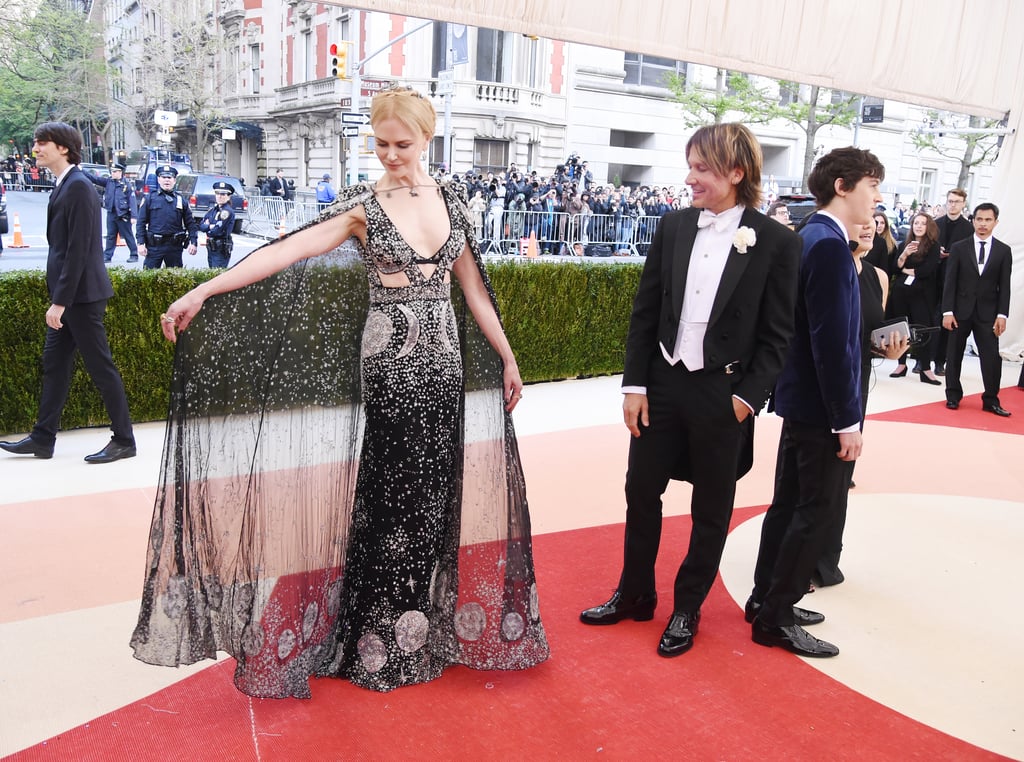
"A couple years ago, when Tom Cruise [6] and Katie Holmes [7] were first appearing in public together, they showed up at the gala, and I wanted to grab a picture of them. That's when my flash stopped working. Thankfully, I always come prepared with a backup plan. I decided to 'drag the shutter' in order to catch some of the other photographers' flashes, which was really my only option at the time. That photo wound up being one of my most popular shots of the year. Maybe people liked it more because it was so different from what everyone else was doing."
On what makes the Met Gala so special
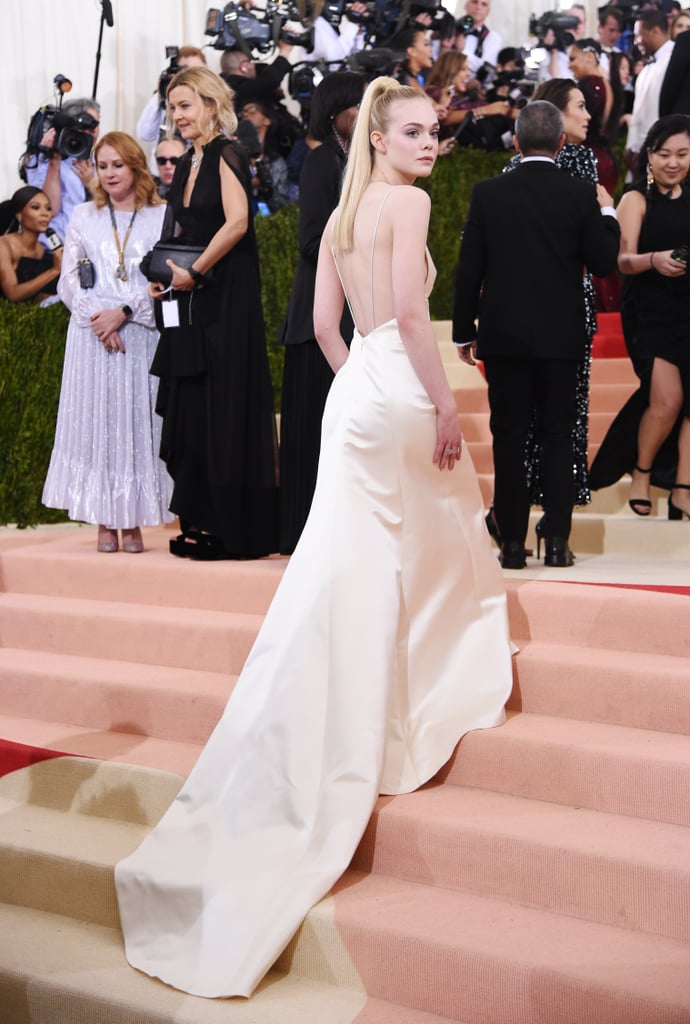
"I believe there's nothing bigger than the Met Gala in terms of both the prestige attached to it and also the range of stars who attend. There are more than actresses and models; you have business people, socialites, and more. You're trying your best to capture the big names, but you also have to pay attention to everyone else who passes by. It's that mixture of different people that makes this event unlike any other. You really never know who will be the next person to walk and pose on the red carpet."