Contrary to popular belief, when it comes to back exercises – you don't always need to have access to a huge gym [1], with rows of weights, or multiple machines. Sure, having the ability to use equipment, like a lat pull-down machine, or cable machine, is helpful, but in fact, there are many simple and basic exercises that can help you build stronger back muscles wherever you are, including at home. The beauty of home back exercises is that as you progress over time, you can eventually adapt the moves to create more of a challenge. Some simple ways to increase the intensity of home back exercises are to try using resistance bands [2], or to incorporate load with hand weights [3], dumbbells, or kettlebells.
Overall, the muscles of the back can be broken down into three groups, as outlined in the medical information resource StatPearls [4]: deep intrinsic muscles that connect to the vertebral column (which are considered the "true" back muscles), the superficial muscles, which assist the neck and shoulder, and the intermediate muscles, which aid thoracic movement. Home back exercises that aim to strengthen these muscle groups can help you perform other exercises more easily and can also ward off back and neck pain [5].
In this list, we've rounded up 9 of the best home back exercises that don't require any special fitness equipment [6]. They work with bodyweight or light weights only, but most can be modified with the addition of a heavier dumbbell, kettlebell, or band. Get ready to work!
Deadlifts
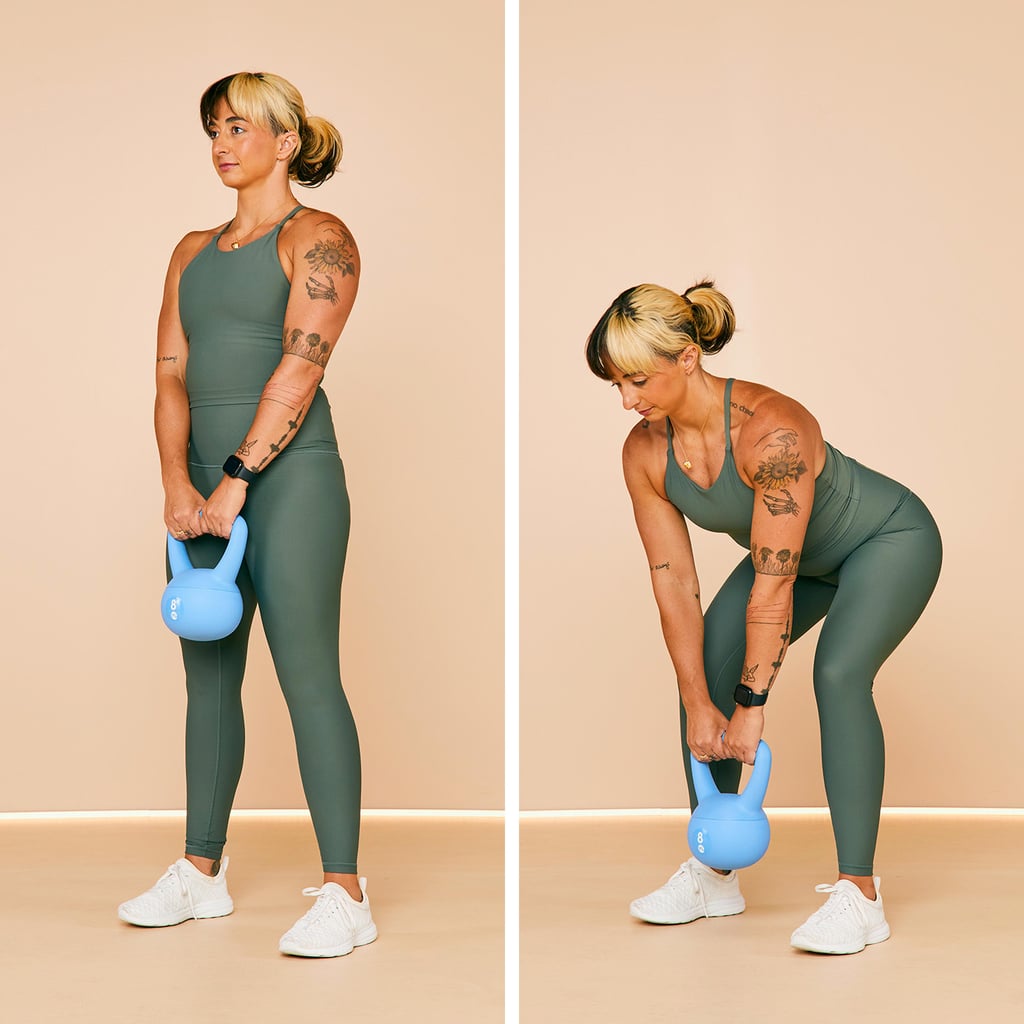
Deadlifts are a foundational exercise for developing the muscles of the lower body. Simple, yet effective, performing deadlifts [7] help to target the muscles found in your back, hips, and legs, all in a single movement. The key is to perform a hip hinge pattern [8] and maintain a straight back throughout the motion. Keeping a neutral spine is key, as you don't want to accidentally sustain an injury from rounding your back when you lift the weight off the floor.
- To start from standing, make a firm grip around the handle of a kettlebell, or a pair of dumbbells in each hand, with arms at your sides.
- With your knees slightly bent, hinge forward and bend at the hips, pushing the glutes back behind you.
- Lower the weights down towards the floor, as far as you can, while keeping your form with your back straight.
- Reverse the motion by pushing away from the floor, extending the hips forward, and keeping the weights close to your body. Avoid rounding your back.
- Perform two to three sets of 10 to 12 repetitions.

Upright Rows
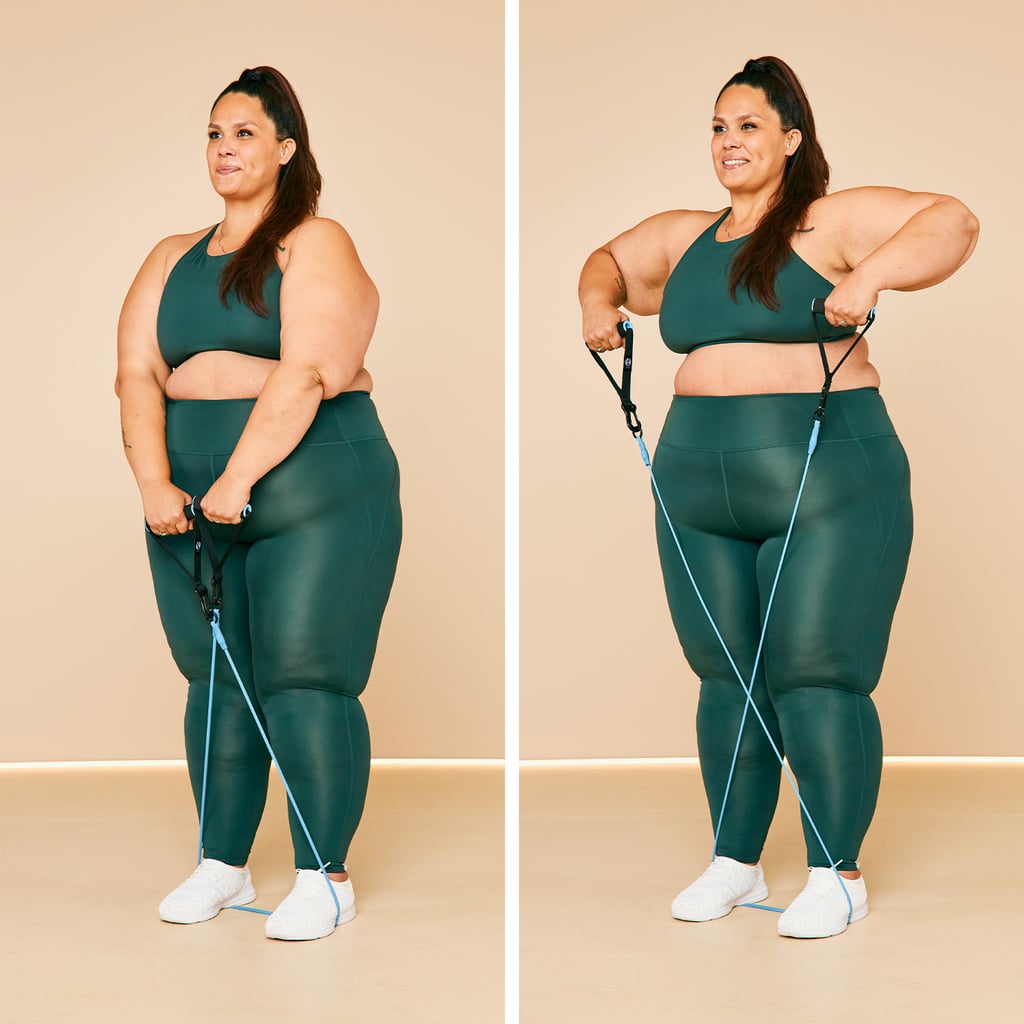
Mixing in upright rows helps to build upper body musculature, including the upper and middle trapezius, triceps muscles and the muscles surrounding the shoulder girdle. Engaging your core [10] throughout the movement will help to brace and maintain a neutral spine alignment.
- With your feet about shoulder to hip-width apart, stand tall with your shoulders aligned over your hips.
- Hold a band or light weight, such as a hand weight or dumbbell in each hand, palms facing your chest.
- Draw the shoulders back, keeping the chest out and proud, keep a stable spine, and avoid rounding the back.
- Raise the weights upward, and keep them close to your body. Lift the weights up to the mid-chest line.
- Then, return to the starting position by lowering the weights back down.
- Perform two to three sets of 8 to 12 reps.
Push-Ups
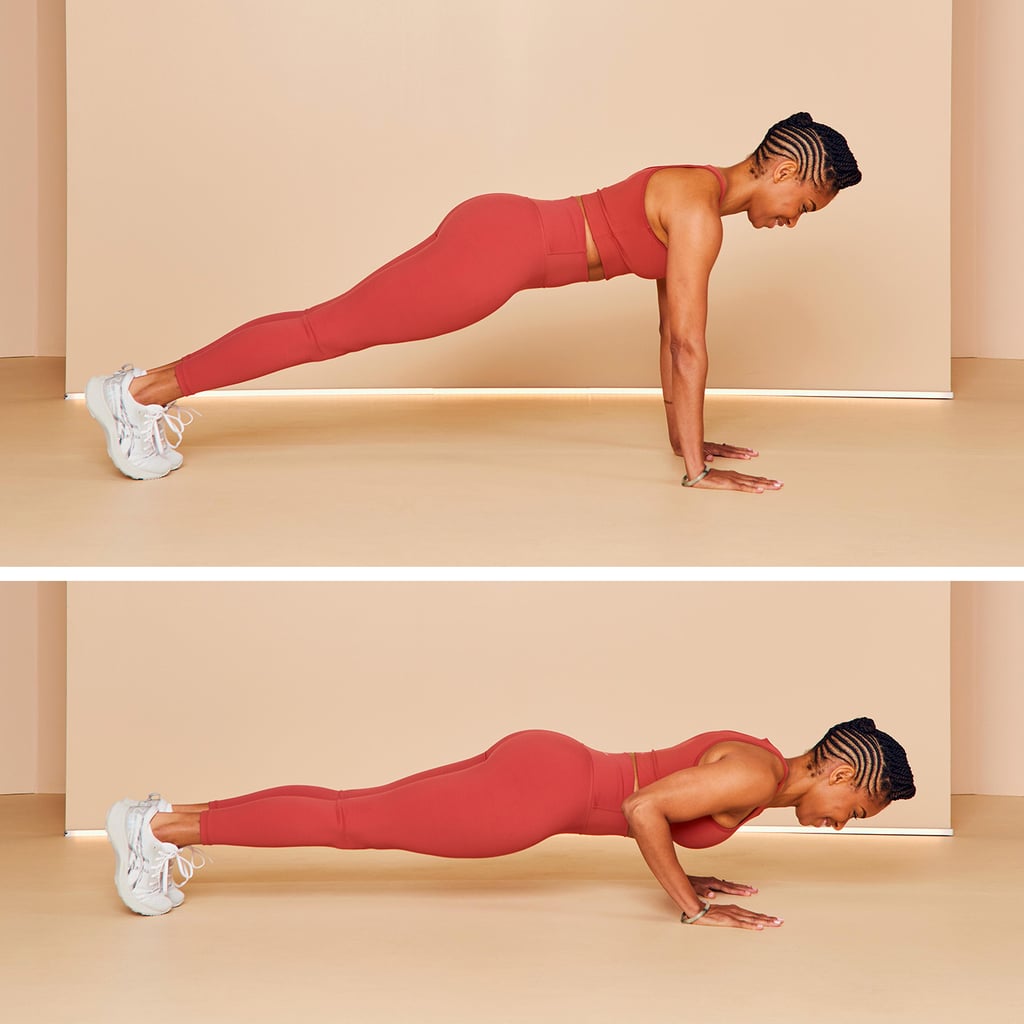
Push ups are a quintessential way to build upper body strength, focusing on the muscles in the chest, shoulders and triceps, in particular. Major muscles used for a push up include recruiting the pectoralis major of the chest, deltoids, triceps, and serratus anterior along the sides of the ribcage. As you adapt to the movement, you'll work towards building stability within your core muscles, as well.
- Start with both hands on the floor, wrists stacked beneath your shoulders.
- Curling the back toes under both feet, push the body up and away from the floor.
- Keep the hips even and level, without letting the hips sag down towards the floor or arching of the spine.
- In one continuous motion, lower the body down to the floor.
- Push the ground away and return to the starting position.
- Aim for one to two sets of 6 to 10 repetitions.
Bent-Over Rows
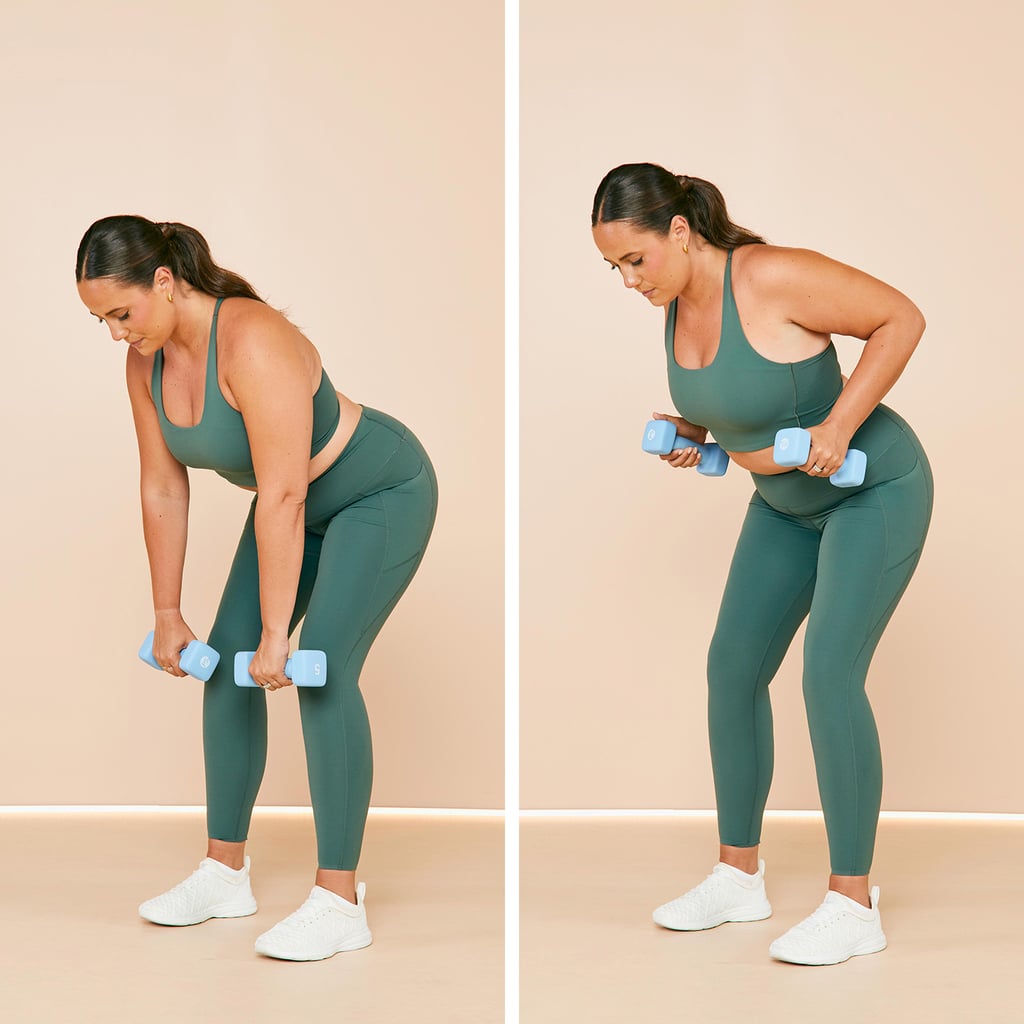
Bent-over rows work on targeting the muscles found in both the upper and middle back, along with the chest and shoulders. When you pull the weight towards your chest, the latissimus dorsi muscles are helping your body create the pulling motion. Other muscles involved in this upper body exercise [11] include the rhomboids, trapezius, biceps, deltoids and a muscle group supporting your spine, the erector spinae.
- Start with your feet between shoulder to hip-width apart.
- With the knees slightly bent, push your glutes back behind you and perform a hip hinge pattern. Remember to keep a neutral spine throughout the movement.
- Using a pair of dumbbells, pull the weights up towards the mid-line of the chest.
- Avoiding excessively rounding the back.
- Lower the weights and return to the starting position.
- Perform two to three sets of 6 to 12 repetitions.

High Planks
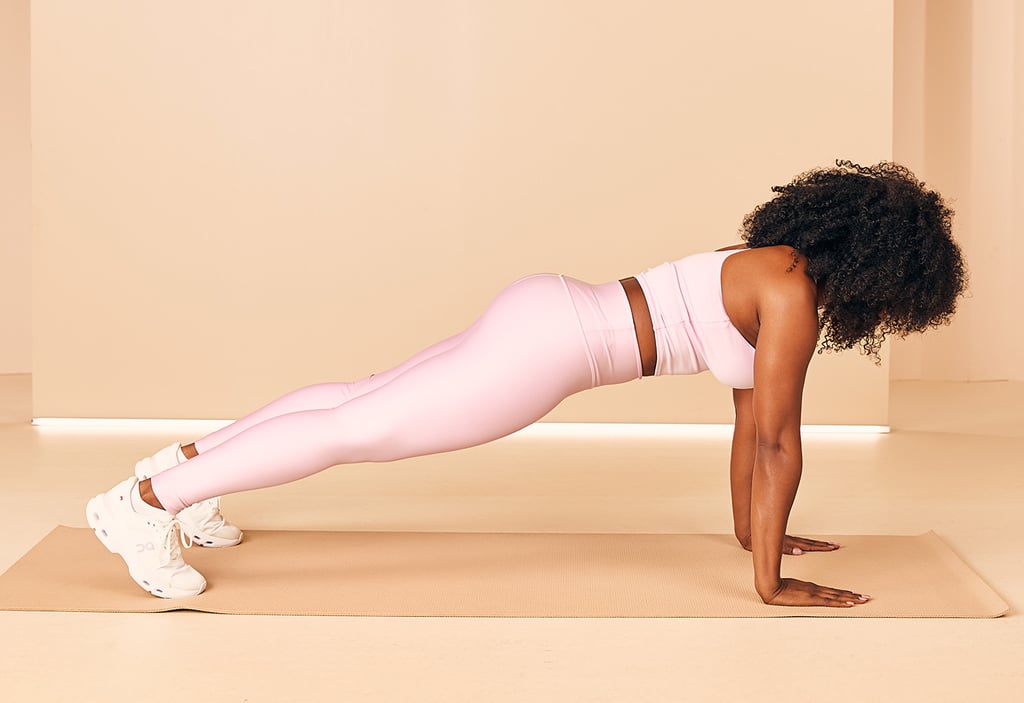
For an easy, yet effective exercise, a simple plank [13] challenges the entire body. The best part is, planks can be performed at home or at the gym, no additional equipment needed. Before getting started, make sure to warm up the wrists and ankles with some gentle joint rotations.
- Start by positioning your hands beneath your shoulders, and step each foot back behind you.
- Press away from the floor.
- Aim to keep a straight line stemming from your neck and torso, to your hips, knees, and ankles.
- Try not to let the stomach drop towards the ground, or the hips rising up towards the ceiling.
- Perform one to three sets of a plank hold for 15 to 30 seconds.
Bird Dogs
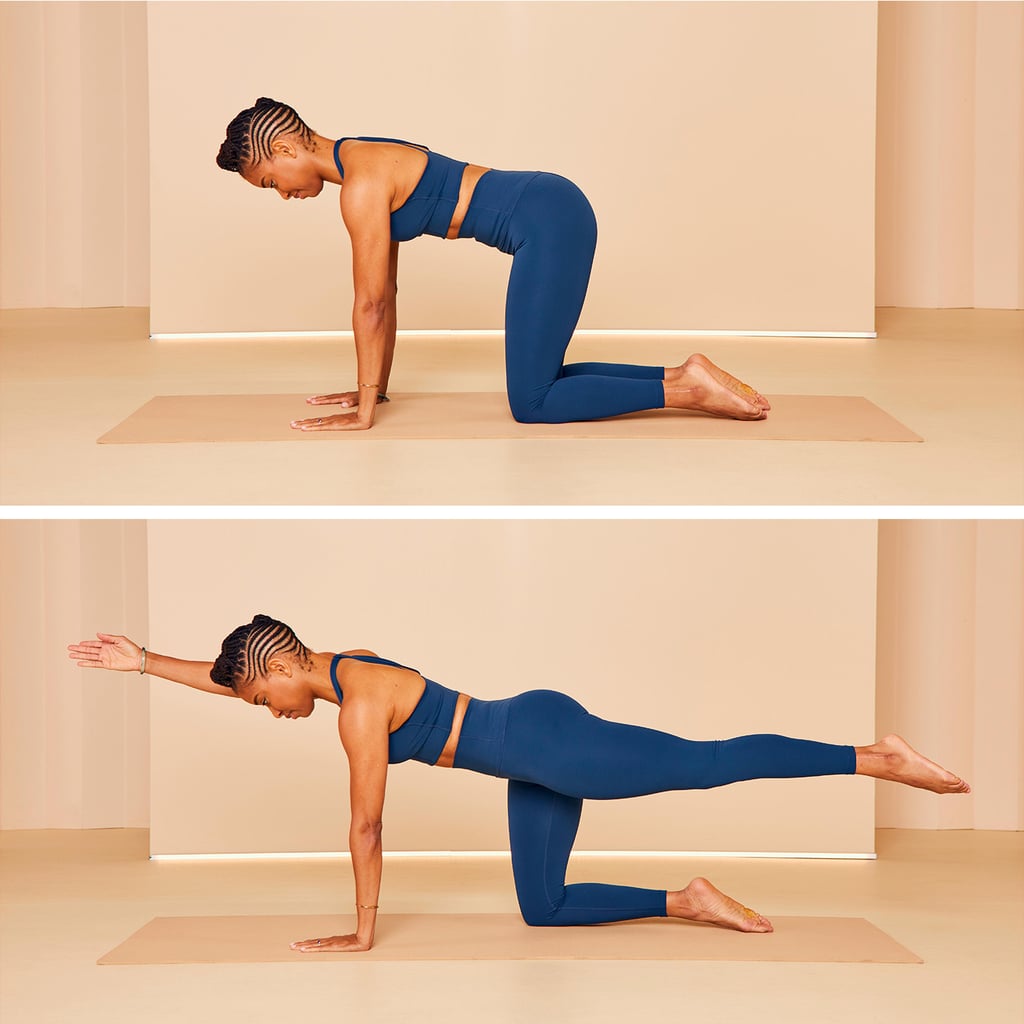
For a back exercise that's an optimal pick for all-levels, the bird dog is an easy choice. Performing the bird dog exercise [14] uses an array of different muscles, including the core musculature [15], gluteus maximus, erector spinae, and the stabilizing muscles of the shoulder. As you work to extend each leg, one at a time, you'll also recruit lower body muscles, like the quadriceps and hamstrings.
- Start by placing both hands underneath the line of the shoulders, with the knees and feet about hip-width apart.
- For this exercise, you'll focus on moving one arm and the opposite leg at each time. Start by reach one arm out in front, and at the same time, slowly extend and kick the foot on the opposing side.
- Avoid arching the back or neck excessively as you reach the arm forward, and the foot back behind you. You can use a mirror to check your form.
- After you reach a full extension of the arm and leg, slowly retract and return back to the starting position.
- Perform for one to two sets of 6 to 10 repetitions.
Side Planks
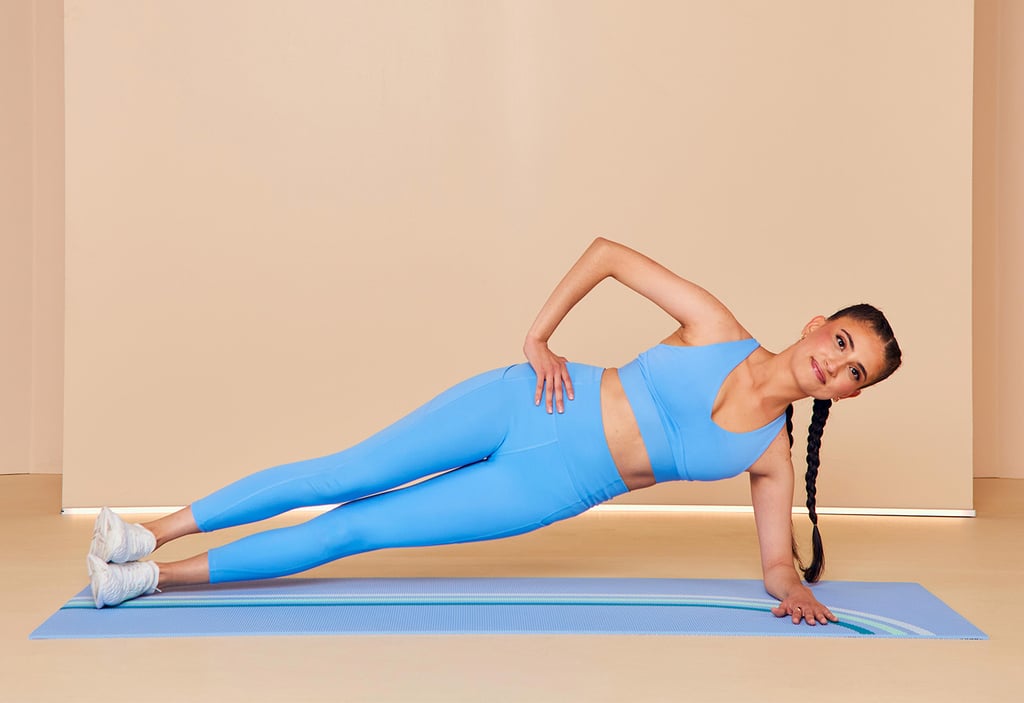
Side plank holds are an easy option to start with developing core muscular endurance and stability over time. The muscles of the obliques [16] and glutes help with everyday essential movements, or activities of daily living, like rotating to reach for something on a shelf, or bending down to pick up a bag of groceries on one side of the body.
- Start by positioning your hands beneath your shoulders, and step each foot back behind you.
- Press away from the floor. Aim to keep a straight line stemming from your neck and torso, to your hips, knees, and ankles.
- Perform one to three sets of a plank hold for 15 to 30 seconds.
Superman
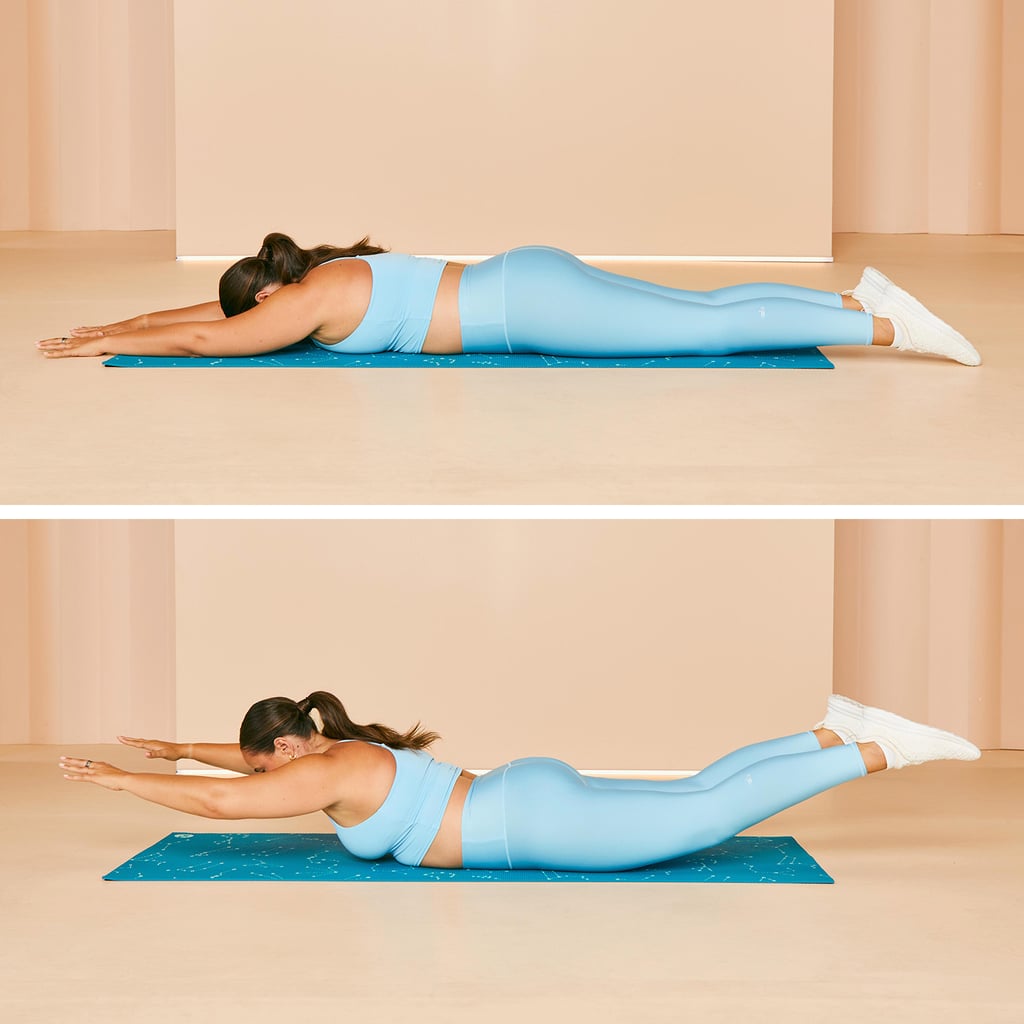
The superman exercise might take some getting used to at first. But, if you start practicing slowly, and keep a strong emphasis on technique, you'll be poised for success. This exercise works on developing the lower back [18] muscles, such as the erector spinae, along with the shoulders, glutes and core.
- Start from a prone position, lying down with your stomach against the floor and both arms extended up and overhead.
- For a beginner-friendly option, start with one fluid motion. Raise both legs and feet up and off the floor. Keep your hands on the floor.
- When ready, you can try another challenging option, where you incorporate your arms and hands.
- In one movement, slowly lift your arms, legs, head and feet away from the floor.
- You have the option to perform a hold for fifteen seconds, or one to two sets of 6 to 8 continuous repetitions of the movement.
Hip Bridges and Single-Leg Hip Bridges
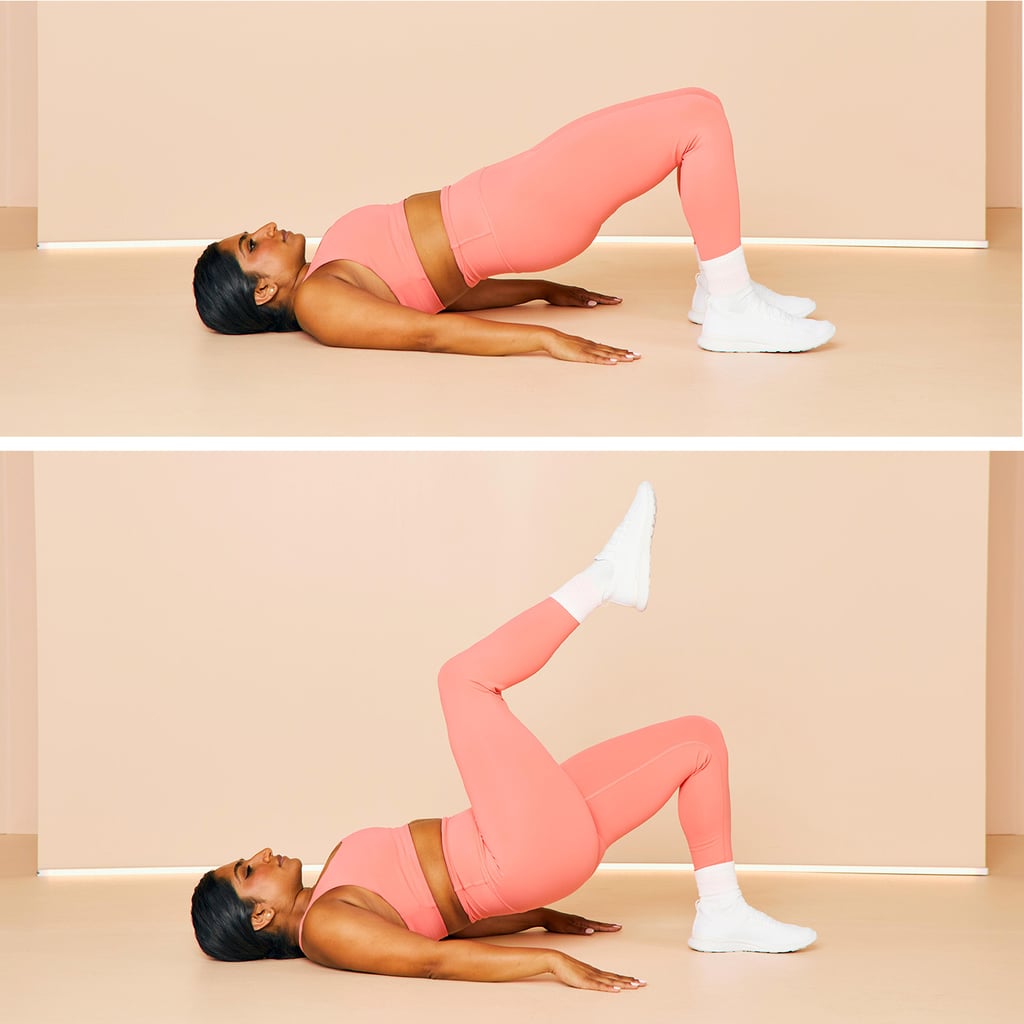
Hip bridges, or glute bridges, are simple movements that can be performed at home, with no fussy equipment necessary. The hip bridge exercise helps to target the muscles in the lower back, along with the muscles surrounding the hips, glutes and hamstrings. Here's a quick explainer on how to do a hip bridge [19]:
Jade Esmeralda [21] (she/her), MS, CSCS, is a health and fitness staff writer and a strength and conditioning specialist. A lifelong martial artist and dancer, Jade has a strong passion for strength and conditioning, sports science, and human performance. She graduated with a Master of Science degree in exercise science and strength and conditioning from George Washington University.