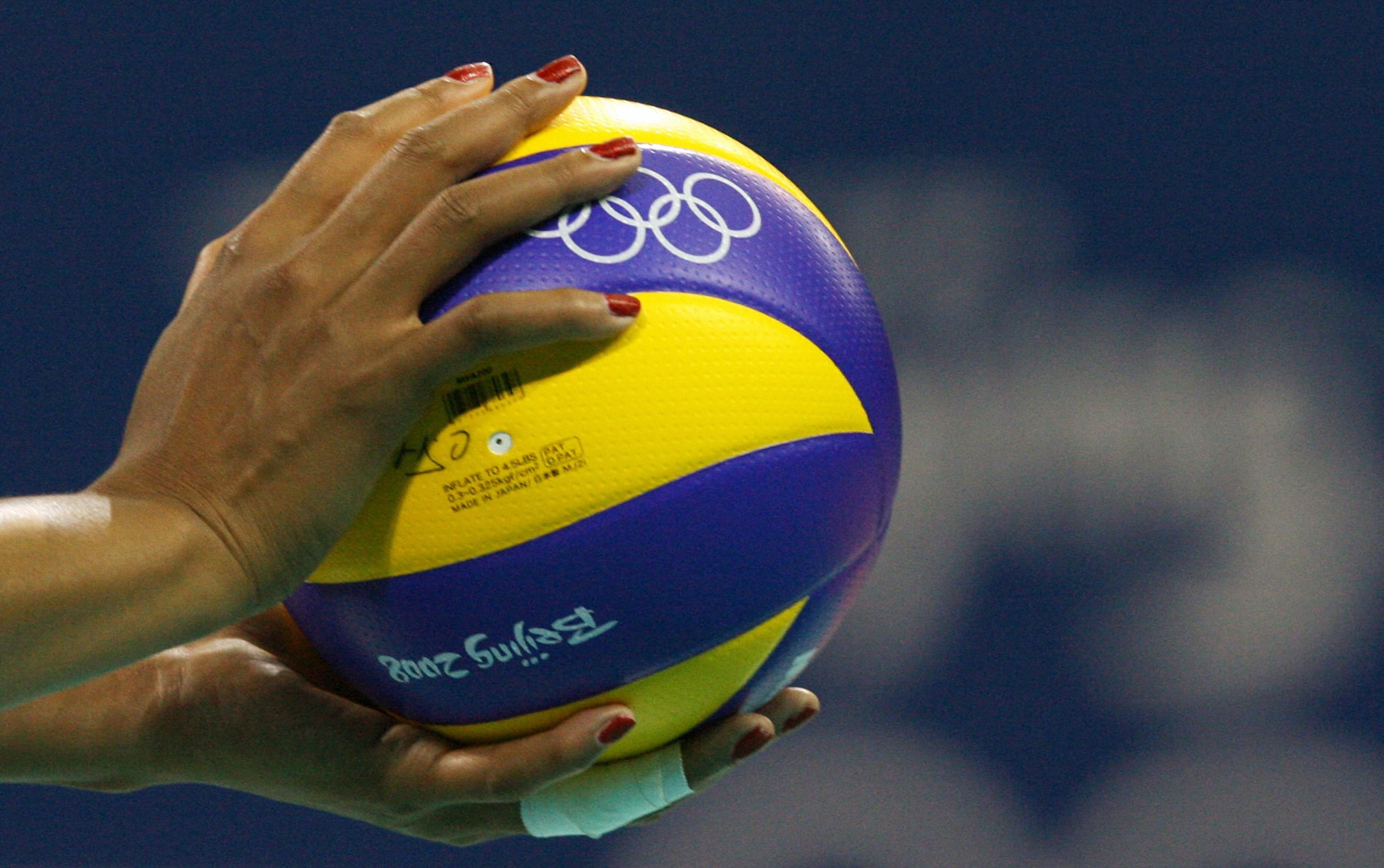
In the game of volleyball [1], serving is incredibly important. Every play begins as a serve, after all, and a well-executed serve has the ability to put pressure on the opposing team and set the pace of gameplay. The overhand serve, specifically, is one of the most important skills in volleyball, offering a combination of power, precision, and control to start each point. While there are other types of serves, like the underhand and jump serve, the overhand serve is often the go-to for competitive play due to its versatility and effectiveness.
But volleyball moves fast, so whether you're an amateur player or a fan, you may have some questions about how to perform an overhead serve. Here, we break down the overhand serve step by step, explain when it's best used, and highlight why it's a crucial tool in every volleyball player's skill set.
What to Know About Volleyball Serves
Volleyball is a rally-based game. For a point to be won, play must begin as a serve. And for a serve to be a playable:
- The server must stand anywhere behind the endline of the court.
- The server must contact the ball [2] before stepping on or over the end line.
- The ball must travel over the net. If the ball dribbles over the net and lands on the opponent's side of the net, it's a playable ball. If the ball hits the net and lands on the same side of the server, it's a point for the other team.
There are different types of serves, requiring different levels of skill. Mastering an aggressive serve is a great offensive weapon.
What Goes Into a Good Volleyball Serve
There are many different parts of a volleyball serve, all of which require attention and practice. Here are the many components of the serve that players must master.
- Toss: The toss (basically when you throw the ball up in the air in order to hit it over the net) is a crucial component of the overhand serve, as it determines the success of the ball being served over the net. With practice, the toss will become consistent and natural for the server. Ideally, the toss should be mid-range, neither too high nor too low
- Hand position: A firm wrist and firm, flat palm is needed for successful contact of the ball.
- Contact: When serving, you have to meet the ball at its highest point in the toss. The hand should make full contact on the middle of the ball
- Weight Transfer: Weight begins in the rear foot and transfer happens from the back foot to the front foot.
- Torque: Throwing the hip into rotation while making contact with the ball creates power as the ball goes over the net.
Since serving is such an important part of gameplay, the server can feel intense pressure, especially before a crucial point. To succeed, a server must focus and block out distractions; and getting too in their head can interfere with their ability to serve effectively. As a coach, I suggest the following mental skills to servers.
- Find your rhythm: Every player develops their own routine when preparing to serve. I encourage them to maintain this rhythm to preserve their timing.
- Take a deep breath: Serving can be nerve-wracking, particularly during high-pressure moments. Helping players focus on their breathing allows them to stay calm and centered before serving.
- Use positive affirmations: Encouraging words and self-talk reinforces confidence and helps players stay mentally strong under pressure.
How to Perform an Overhand Serve
Types of Overhand Serve
Float Serve
The float serve is a moderate-to-advanced serve used to keep your opponent on their toes. It differs from a standard overhand serve because there's no spin put on the ball during the toss; this gives the float serve has the ability to change direction (slide right or left, up or down), which makes it difficult to return.
How to Perform the Overhead Float Serve
- Square your body toward the intended target.
- Hold the ball in the palm of your non-dominant hand, with the hand at waist level.
- Step forward with the non-dominant foot, aligning it with the hand holding the ball.
- Place the dominant foot behind, slightly angled for stability.
- Shift body weight to the back foot, which will allow for a powerful shift forward during the serve.
- Draw the hitting arm back, with the elbow high (think like you're drawing a bow and arrow), palm facing outward. Begin the drawback before the toss.
- With control, toss the ball to eye level.
- As the ball is tossed, step forward with the non-dominant foot and at the same time swing the arm forward to make contact with the middle of the ball.
- Contact the ball with a firm, flat hand, aiming for a clean, even hit to avoid spin on the ball. The key is sharp, quick contact — avoid snapping your wrist or following through too much. This will allow the ball to 'float' unpredictably in the air, making it harder for opponents to read.
- Finish with the hand high (think giving the ball a firm high five).
In a float serve, the toss and contact happen quickly. The player takes a small step toward the ball with their left foot while simultaneously transferring their weight from the back foot to the front. Power is generated from the pivot of the back foot and the rotation of the hips, driving the ball toward the intended target. For beginners, this coordinated movement may take time to develop, but focusing on timing and body alignment will improve accuracy and control.
Jump Float Serve
The jump float serve is a powerful variation of the float serve that combines the force of jumping and the unpredictable movement of a float serve. This is a more advanced serve to master and harder for opponents to return.
How to Perform the Jump Float Serve:
- Stand behind the service line with the ball in your non-dominant hand
- Take three to four steps back from the service line to prepare for the serve
- Draw the dominant hand back, elbow high, palm facing out, wrist firm
- At the same take a step forward and toss the ball at eye level
- Jump and swing as the ball reaches its highest point with a flat hand
- Keep the contact firm to make the ball float
- Follow through slightly, aiming for a fast and controlled serve
When to Use an Overhand Serve
The type of serve to use and when to use it is ultimately up to the server. You'll want to consider where on the court you want your serve to go, and the strengths and weaknesses of the players you're serving to.
But another key piece of advice is to choose a serve that you can consistently deliver with accuracy and effectiveness. And if you want to improve your overhand serve, the answer is practice — whether it's finding an open court and net to work on your serve or simply practicing against a wall. Consistency and repetition will help refine your technique and make you a more effective server.
D'Annette Stephens [3] is a PS contributor, certified personal trainer, and former volleyball player and coach.