Sometimes, you don't really want a steak recipe [1], but rather want a foolproof technique to cooking the juciest piece of meat possible. That's where these hacks come in. From marinating the steak after it's cooked to reverse-searing the meat, these tips will completely throw your steak-cooking habits for a loop. You've really never cooked a steak like this before.
There's no need to let your steak come to temperature before cooking it.

You may have been told to always let a steak rest at room temperature for 30 to 60 minutes before cooking it, but this is an unnecessary step [2]. Just take your meat out of the fridge when you are ready to season and cook it.
Get the recipe: Morton's steak [3]
Marinate the meat in yogurt.
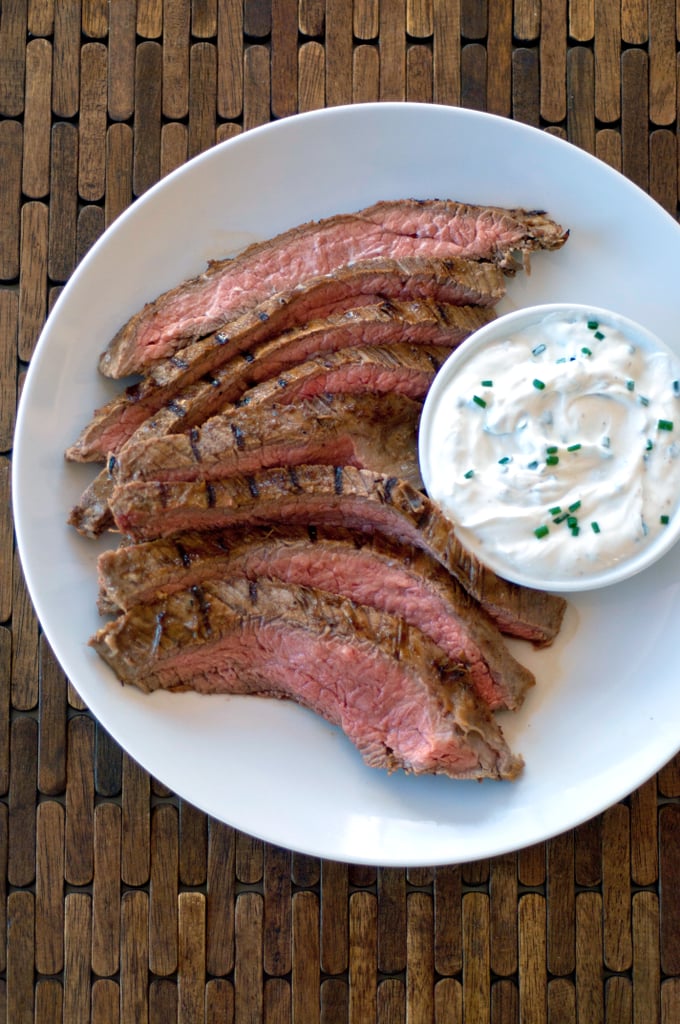
Yes you can and should cook steak with yogurt! Acidic yogurt, when used as a marinade, tenderizes the meat while adding flavor.
Get the recipe: yogurt-marinated steaks [4]
Pepper the steak AFTER it's cooked.
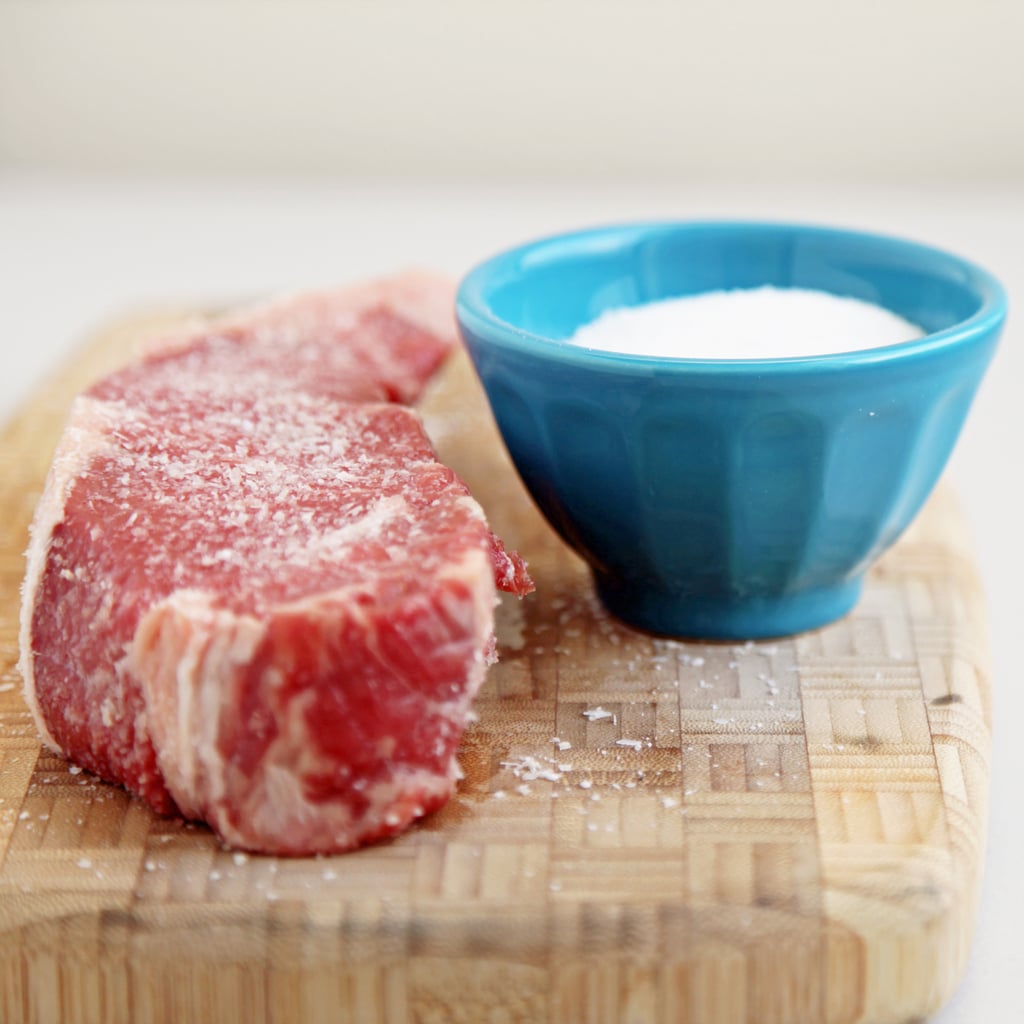
Pepper just burns when it's cooked, says chef Tyler Florence, so wait to pepper your steak until it comes off the grill (or stove). Instead, simply salt the steak liberally, on both sides, with kosher salt. America's Test Kitchen recommends adding a little cornstarch [5] too, as it dries out the meat's exterior, helps form a crust, and enhances browning.
See the technique: Tyler Florence's steak [6]
Sear steak with lard.
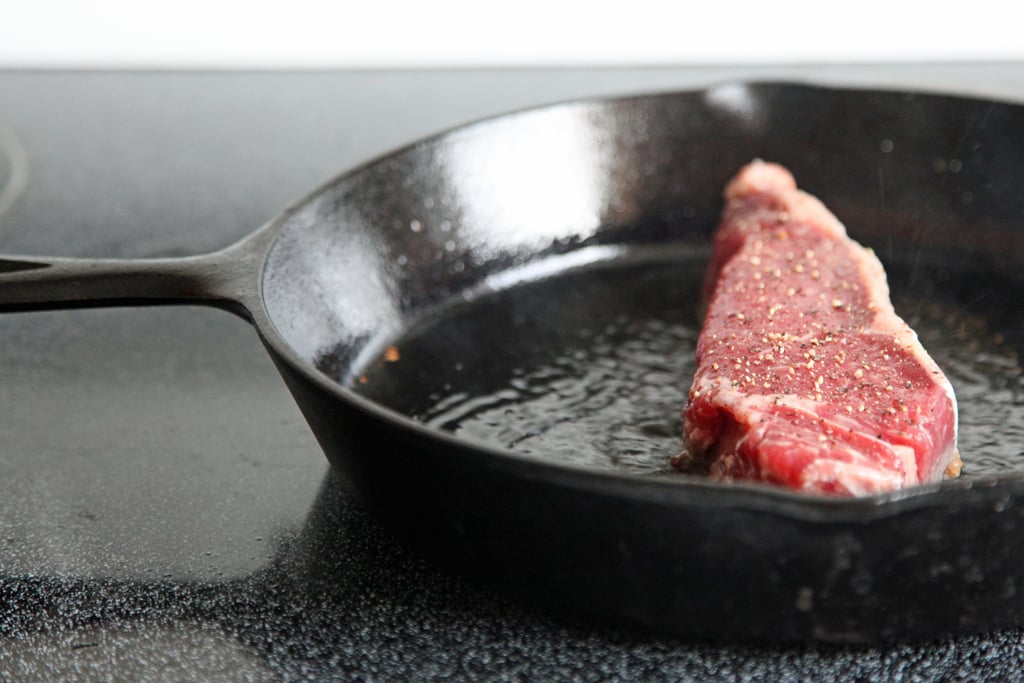
Butter can often burn before your steak is seared. That's why it's recommended to cook it with a fat that has a high smoke point, like lard (or clarified butter [7] or tallow). The benefit of using a rendered fat from the animal is more meaty flavor!
Get the recipe: reverse-seared steaks [8]
Use your face to check for doneness.
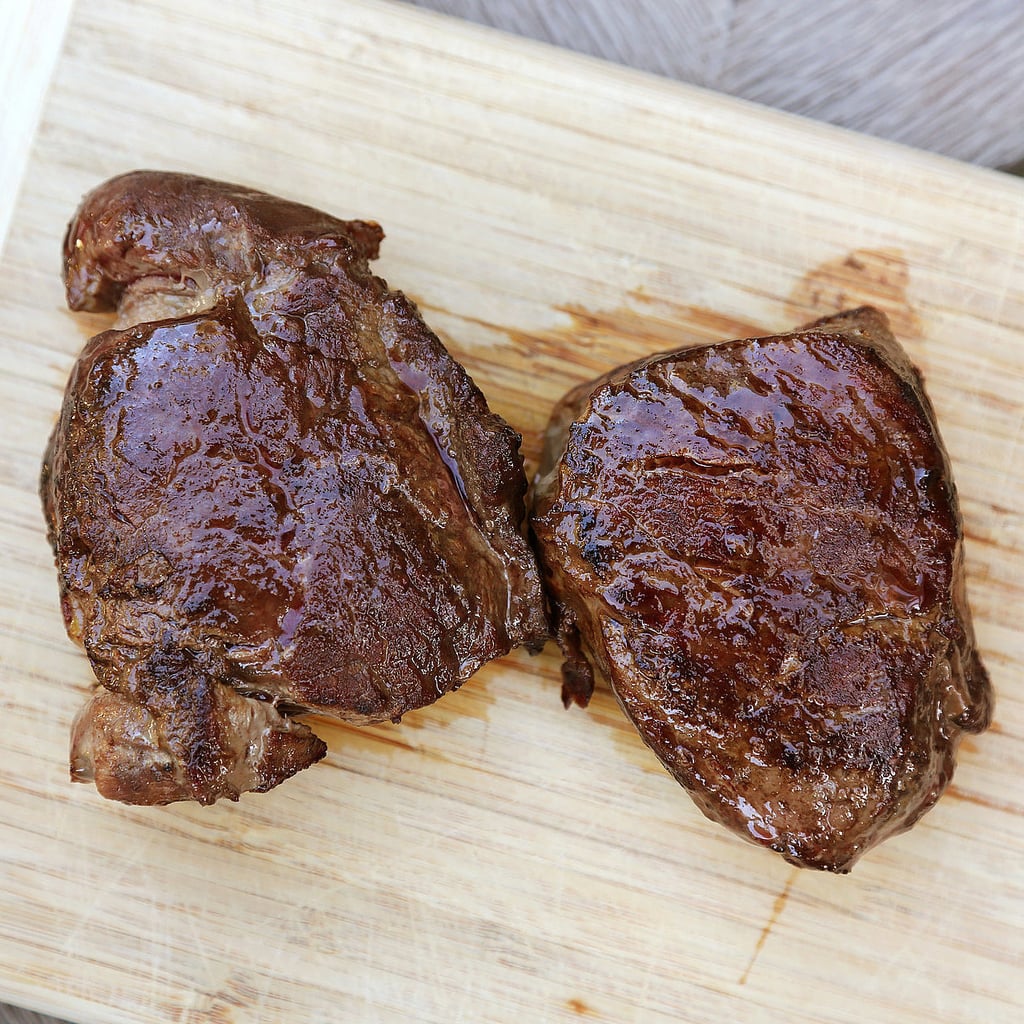
Leave it to Gordon Ramsay [9] to come up with an easy method to know a steak's doneness by feel over a thermometer. For rare steak, the meat should resemble the flesh on your cheek. Medium feels like your chin. Well done is just like your forehead.
See the technique: Gordon Ramsay's steak [10]
Avoid grill marks, as they're just burn marks.

According to Tyler Florence, grill marks are not sexy. They signify a burnt piece of meat. What you're aiming for is actually to caramelize the exterior of the meat, in what's called the Maillard reaction.
See the technique: Tyler Florence's steak [11]
Flip the steak multiple times.
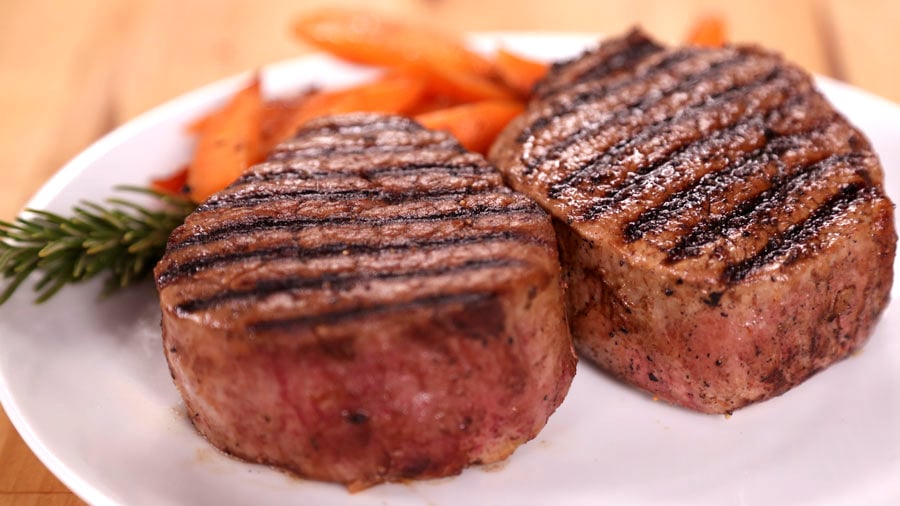
Another myth to debunk: you should only flip the steak once per side. Top Chef's Tom Colicchio recommends turning the steak a total of six times while it's on the grill (grill it for three to four minutes on each side, including the edges).
See the technique: Tom Colicchio's steak [12]
Don't forget to let the steaks rest.
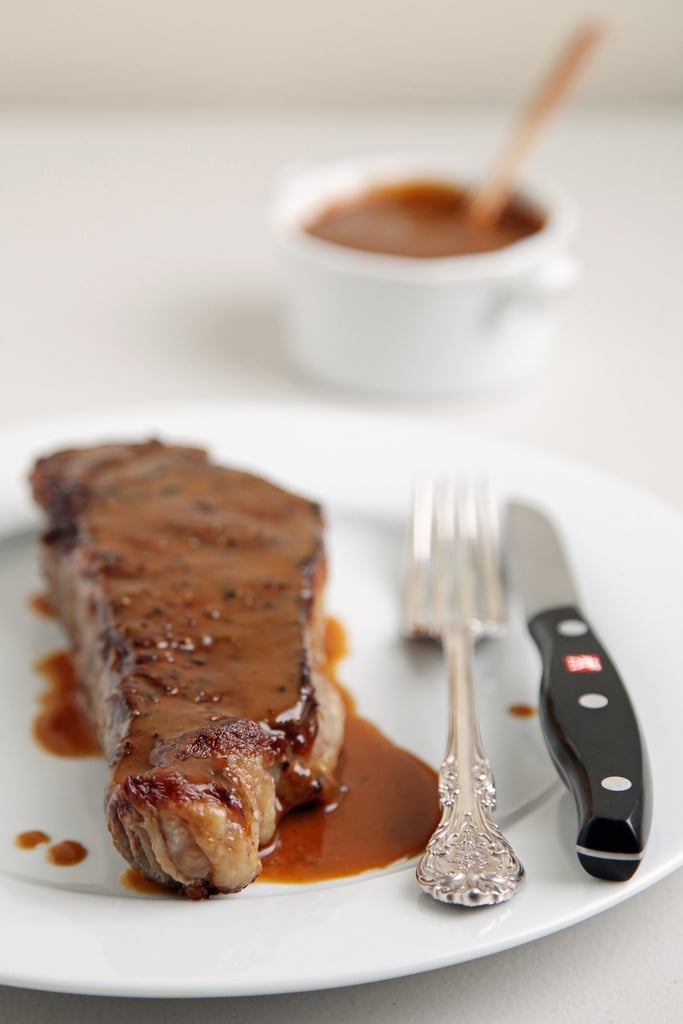
This is by far the hardest part of cooking a steak. You must let the meat rest [13] for about 10 minutes to allow the juices to soak back into the muscle tissue (vs. seep out and onto the plate). Creating a little foil tent will help keep the meat warm.
Get the recipe: strip steak with miso butter sauce [14]
Reverse sear the steak.
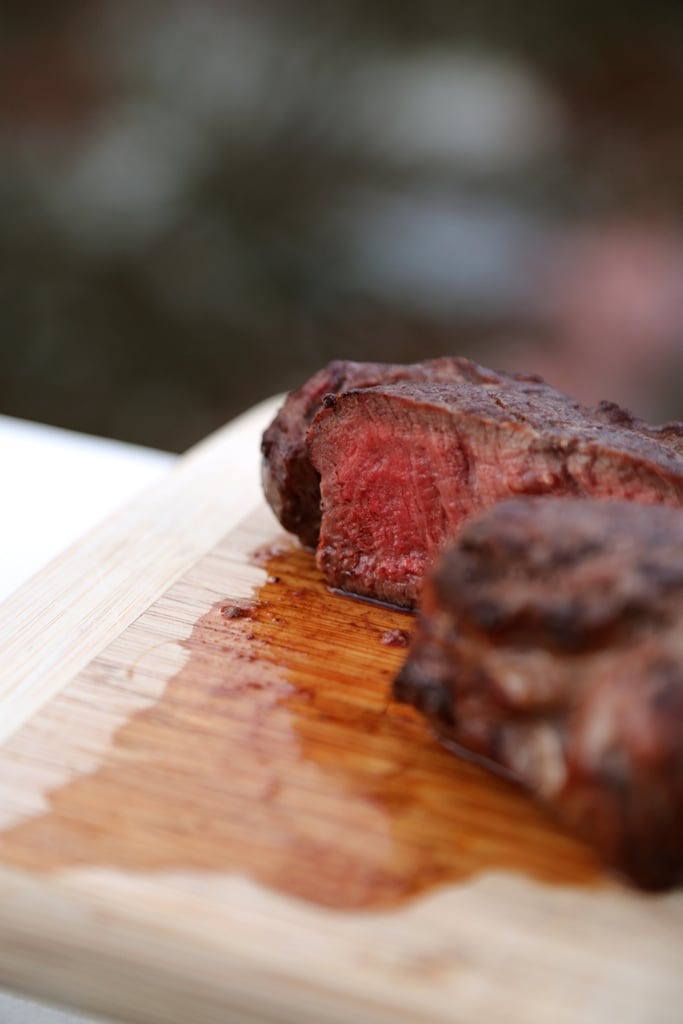
Instead of going for the traditional method of pan searing the steak first, then finishing it in the oven, the Cook's Illustrated team recommends the opposite. Slow roast the steak in the oven at a low temperature, then sear it over the stovetop for the last few minutes. The result is perfectly cooked, tender meat with a crisp, caramelized exterior.
Get the recipe: pan-seared steaks [15]
Marinate the meat AFTER it's cooked.
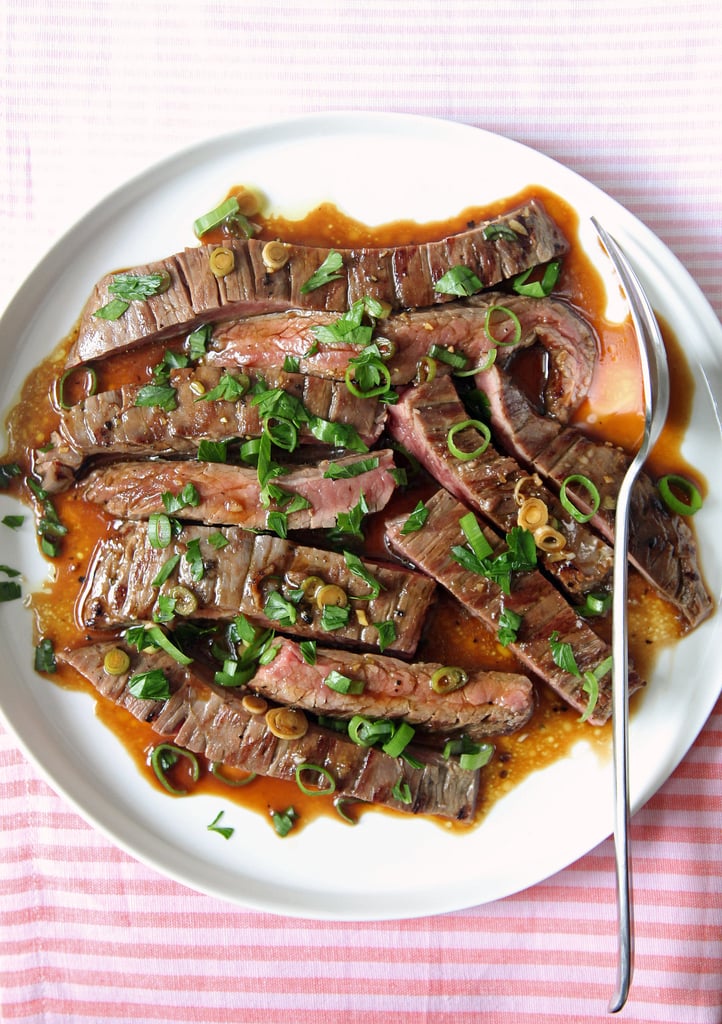
Marinating steak before cooking is actually a pain if you think about it. It makes it harder for the steak to sear, plus the sugars in the marinade stick to your pans and grill and burn. Marinating the steak after it cooks (and while it rests) is actually the best time. The steak soaks up all those lovely flavors, plus the marinade doubles as a succulent sauce.
Get the recipe: marinated skirt steak [16]