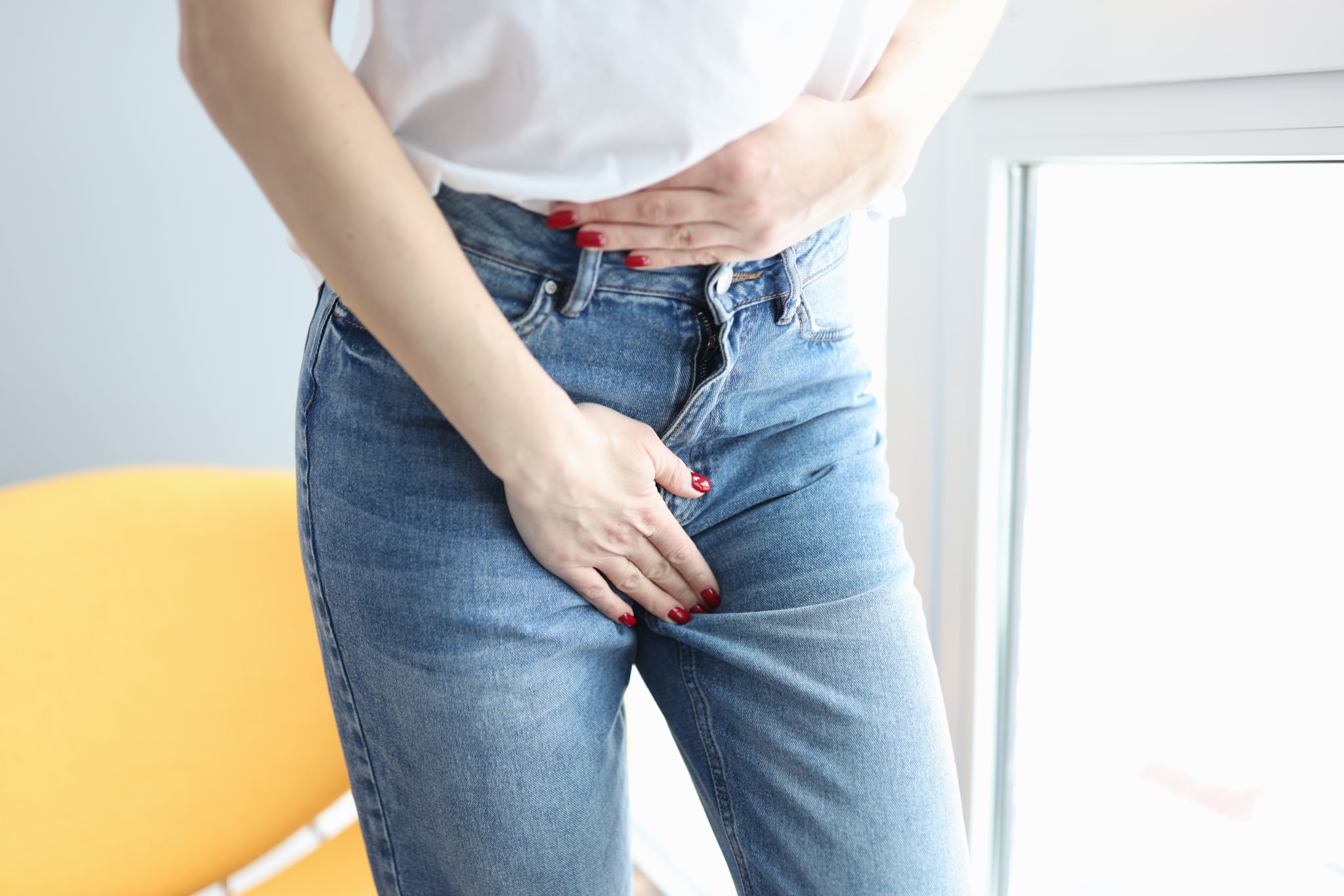
Research suggests [1] that up to 50 percent of women will develop pelvic organ prolapse in their lifetime, but many have never heard of it or know exactly what it is. According to the Mayo Clinic [2], "pelvic organ prolapse is when one or more pelvic organs drop from their position".
The condition is also commonly associated with childbirth [3], something that's come into the spotlight recently as celebrities like Jennifer Garner [4] and Kourtney Kardashian [5] have opened up about their postpartum experiences. What's more, over 200,000 [6] women receive POP surgery in the United States each year. That said, knowing the symptoms, causes, and potential prevention methods can be crucial. Ahead, experts break down everything you need to know about pelvic organ prolapse.
Experts Featured in This Article:
Dana Rice [7], MD is a board-certified urologist creator of UTI Tracker App.
What Is Pelvic Organ Prolapse?
The American College of Obstetrics and Gynecologists [8] defines pelvic organ prolapse as what happens "when tissue and muscles can no longer support the pelvic organs and they drop down". There are also several different types of POP, each one varies depending on the part of the body that has dropped. ACOG breaks down the following types of prolapse:
- Cystocele: Bladder drops into the vagina
- Enterocele: Small intestine bulges into the vagina
- Rectocele: Rectum bulges into the vagina
- Uterine Prolapse: Uterus drops into the vagina
- Vaginal Vault Prolapse: Top of the vagina loses its support and drops
Pelvic Organ Prolapse Symptoms
While there are varying degrees of POP, general symptoms [9] include:
- Feeling of pressure or fullness in the pelvic area
- A lower backache
- Painful intercourse
- Feeling that something is falling out of the vagina
- Urinary problems such as leaking of urine or a chronic urge to urinate
- Constipation [10]
- Spotting or bleeding from the vagina.
If you're experiencing any of these symptoms regularly, check in with your doctor right away.
How to Prevent Pelvic Organ Prolapse
There is no certainty that you can prevent POP, but there are things you can do to reduce your risk, experts says.
- Pay Attention to Your Pelvic Floor: Board-certified urologist, Dana Rice, MD, creator of UTI Tracker App [11], recommends pelvic floor [12] exercises, like pelvic floor therapy [13], as part of your regular routine. If you're unable to get out of the house with a new baby or don't have access to regular physical therapy appointments, exercises done at home [14] can be just as effective.
- Practice Good Bathroom Habits: Jacqueline M. Stiles, a physical therapist with the Evergreen Clinic [15] who focuses on pelvic health, tells PS that healthy bathroom habits can also be helpful. "It's important to make sure you sit down on the toilet seat to allow the pelvic muscles to fully relax," Stiles says. "Do not push down because it can encourage the organs to prolapse. Try putting your feet on a stool when seated on the toilet because it straightens out the alignment of your rectum to create a better 'poop chute,' leading to easier bowel movements."
- Avoid Smoking: "Smoking can lead to chronic cough, which puts stress on the pelvic floor muscles," according to the US Department of Health and Human Service's Office on Women's Health [16].
Pelvic Organ Prolapse Treatment
Treatment for POP can run the gamut, from no treatment at all to corrective surgery. "There are varying stages of prolapse and not all stages are operative," Dr. Rice says. "If a patient is not having symptoms, operating is not the answer. No surgery is without risk." If you have a minor case of POP, pelvic floor exercises, medication, or a Pessaries (silicone devices placed vaginally to hold the pelvic organs in place) may be options for you. Continuing healthy exercise and bathroom and nutritional habits should also be a part of your daily regimen.
For more severe cases, once assessed by your medical professional, surgery may be the right solution for your long-term pain and elimination of symptoms. According to the Mayo Clinic, surgeries range from securing the connective tissue between your vagina and rectum [17], bladder, and vagina and removing excess tissue up to hysterectomy, depending on age and likelihood of more children.
— Additional reporting by Alexis Jones
Laura Arndt [18] is a former PS contributor. For over a decade, Laura has been a certified Strength and Conditioning Specialist and Certified Pilates instructor in the Washington, D.C. area.
Alexis Jones [19] is the senior health and fitness editor at PS. Her passions and areas of expertise include women's health and fitness, mental health, racial and ethnic disparities in healthcare, and chronic conditions. Prior to joining PS, she was the senior editor at Health magazine. Her other bylines can be found at Women's Health, Prevention, Marie Claire, and more.
[20]