One week after Donald Trump became the likely GOP nominee [1], voters are casting ballots in two states. Check out everything you need to know about the West Virginia primary and Nebraska GOP primary.
Here's what's happening:
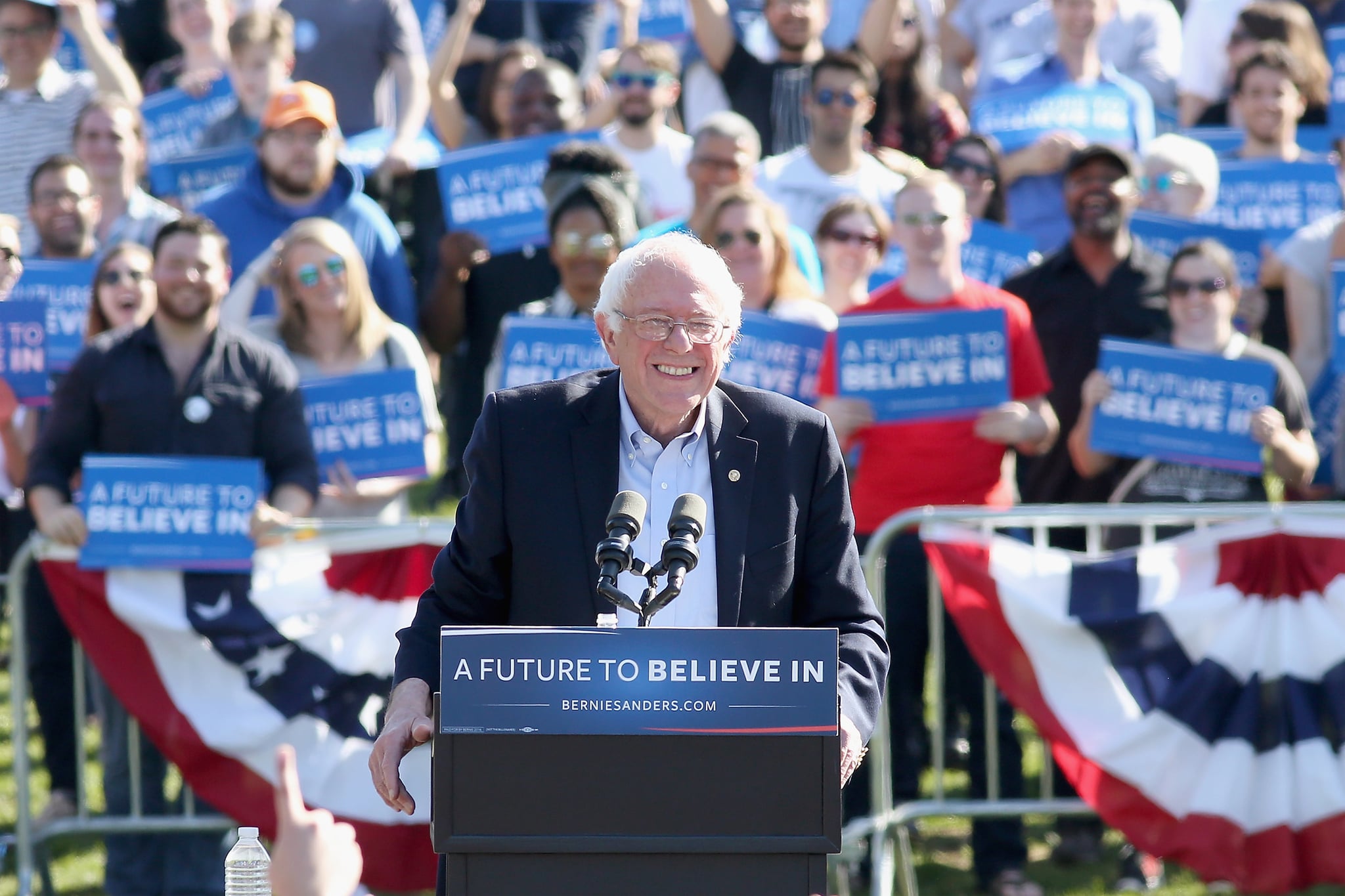
- Bernie Sanders beat Hillary Clinton [2] in the West Virginia Democratic contest with almost 50 percent of the vote.
- Of course, Trump had no issue winning there now that he is the only Republican candidate left [3] in the race. He also took Nebraska.
- Going into today, Clinton had 1,705 delegates and Sanders had 1,415 out of the 2,383 needed. (This count does not include superdelegates [4], many of whom have pledged to vote for Clinton but can still change their minds.)
- Trump had amassed 1,020 delegates delegates out of the 1,237 necessary to win the party nomination.
Here's what it means:
- As he racks up more wins, Sanders continues to prove how powerful he has been during this election [5] and how he will continue to influence the party platform even if Clinton is the nominee.
- That is still the likely outcome, since only 29 Democratic delegates were up for grabs today and the Sanders campaign is virtually over [6] when you look at the math.
- It's only a matter of time before Trump reaches the delegate threshold to go from "presumptive" to "official" Republican nominee.
- With no competitors left in his party, Trump is shifting his attacks to Hillary Clinton. This week, he called her an "enabler" of Bill Clinton's infidelities [7].
- Clinton isn't holding back either. She recently released an ad about how Trump is dividing [8], not unifying, his party.
Here's what's next:
- There will be a Kentucky Democratic primary and an Oregon primary next Tuesday.
- Follow all our election coverage here [9].