Content warning: This article contains descriptions of sexual assault.
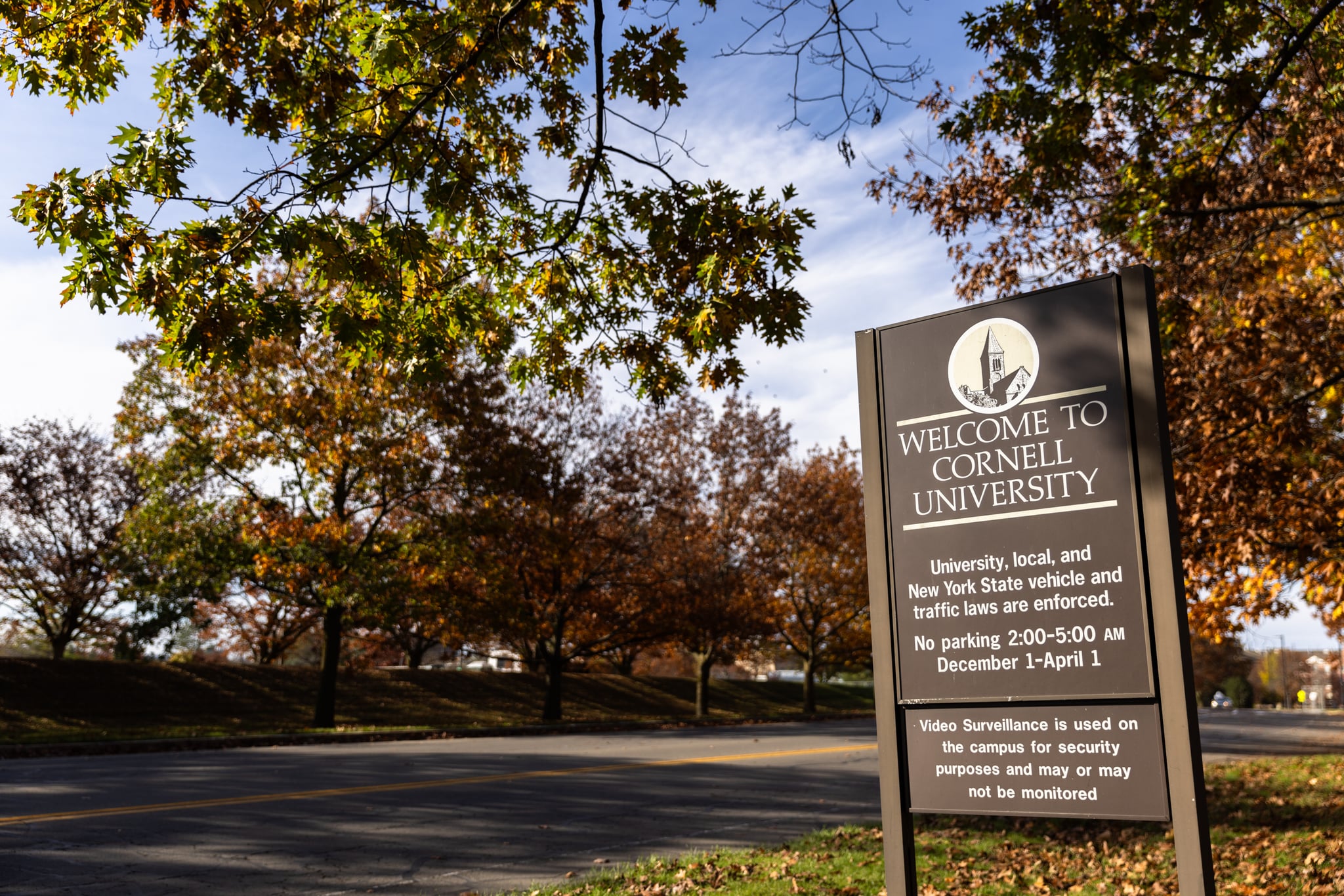
This week, as I began hearing news about the "Cornell 7" sexual assault lawsuit — in which a woman alleged seven members of Cornell University's Chi Phi fraternity drugged and gang raped her at the frat house in October 2024 — I couldn't help but think about my own experiences. As CNN reports [1], New York prosecutors are reopening the case after the woman, who's identified as "Jane Doe" in the proceedings, filed a civil suit alleging Cornell didn't do enough to protect her.
There are so many horrifying aspects of the suit, including the allegations that one of the accused men was Jane Doe's friend, and that there was a Snapchat group chat in which fraternity brothers were invited to participate in the assault. It all made me reflect on how I was treated by the men in my life after I told them I was assaulted by a friend while I was in college. And I'm glad I'm not the only one reflecting: the outrage online right now is the call for change [2] that survivors have deserved for so long.
Eight years ago, I was a freshman in college. One night, after playing intramural volleyball with friends and celebrating post-tournament with drinks back in the dorms, one of my guy friends stopped by my room. After chatting about my evening, he kissed me. I didn't realize what was going on in my drunken haze, but when I regained some of my vision, I knew that I didn't want to do anything sexual with him. Still inebriated, I mustered up the courage to tell him, "Stop." I thought my friend would respect my boundaries (and bodily autonomy), but I was wrong. He responded, "Why?" and continued to take advantage of me in a vulnerable state where I could not consent.
After he left, I sought solace in whoever I could find. Thankfully, I ran into a couple of girls who lived on my floor, and they comforted and believed me. They quickly found my friend, Ashley, who supported and stayed with me until my sister could come pick me up. I can't imagine what it felt like for Jailyn to get a call that her baby sister said she was assaulted and needed her. Everything felt like a blur. My sister took me to the store to get fluids and snacks to help with the hangover, and she created a safe space for me to unravel. The next day, I decided to return to campus and face the room I was traumatized in. I didn't want to avoid it forever, not knowing what traumas lay ahead.
The women in my life saved me, but we won't solve the problem of sexual violence until men are active participants.
When I got back to my room, I told a couple more friends about the night before. I expected that they'd help me find a path forward. I didn't expect that my closest guy friend would convince me to have a debrief with my assailant in the room where I told them he assaulted me less than 12 hours before. All I wanted was support, but I was forced to talk directly with my attacker while he minimized my pain and said that he thought what happened was just a misunderstanding.
If it weren't for the women in my life, I truly couldn't have gotten through that dark time. One friend, Gwyn, was by my side for the entire conversation with my attacker, allowing me to cry and bury my tears in her lap so I didn't have to look at him. After the confrontation, Gwyn told me that she wanted to help me regain some of my power by turning the day around. That was the last thing I wanted to do, but now I see that what she did was such a gift. I don't remember that day as the day after I got assaulted; instead, it's the day we put on cute outfits, grabbed shaved ice, and watched "Mamma Mia!" for the first time.
Later on, when I was ready to have sex for the first time after that traumatic night, my girls supported me. They gave me the space to express my desire without fear, while also allowing me to share how my relationship to sex and my body was changed forever. This emotional support was crucial in helping regain my agency. I even wore the same outfit, so that this time I deliberately chose when these clothes were taken off.
The contrast between how the women and the men in my life showed up for me after the assault allegations came to light couldn't be more stark. My male friends cared more about protecting their friend than about doing the right thing. They couldn't believe that he could do something like that — but they could believe that I'd lie about it. I stopped talking to that group of guys shortly afterwards. A few months later, after mentally processing and going to therapy, I decided to report my former friend-turned-assailant to the school. Our guy friends spoke on his behalf as his witnesses in the investigation. Ultimately, the university found there was insufficient evidence to conclude whether or not a violation occurred, a common result for survivors.
As we learn more about the Cornell case, I'm thinking of all the men who allegedly received the messages [3] inviting others to join the alleged assault. In my eyes, anyone who was aware of what was happening and did nothing is complicit and should be held responsible. The fact that we still live in a culture in which men are sitting idly by, are looking the other way, are unwilling to condemn the sexual violence happening around them, is unacceptable.
The women in my life saved me, but we won't solve the problem of sexual violence until men are active participants. Men need to hold their friends, family members, and colleagues accountable for how they treat women. They should be using their platforms: posting on social media and starting conversations with their community about the Cornell case. But most importantly, they need to help change the culture so that these attacks never happen. They need to talk about the issue of sexual assault, toxic masculinity, and consent when women aren't in the group chat.
I deserved better from my male friends. Jane Doe did, too.

Daria Yazmiene [5] is a freelance writer, social media manager, and advocate for BIPOC communities.