This story is part of our Aughts Effect package, which celebrates 20 years of Popsugar — and enduring culture. Read all the stories here. [1]
The bumping bass in Nelly Furtado's "Promiscuous." A whiff of Victoria's Secret Love Spell. Each gleaming swipe of Lancome juicy tube on your lips. Low-rise skirts that hang off your hips just so. It all instantly transports you back to the dawn of the millennium, that era of club nights, glitter eyeshadow, going-out tops, and velour tracksuits.
Just like photographs on our elusive Myspace pages, those sounds and smells and textures store our memories, sending fleeting moments rushing back to the forefront of our minds.
I felt that wave of nostalgia when I shopped for my 2000s-themed outfit for Popsugar's 20th birthday party — and found myself face-to-face with 2006 me. Back as I was navigating the fashion landscape of the early aughts, I was also rediscovering who I was as a young woman trying to find my place in the world.
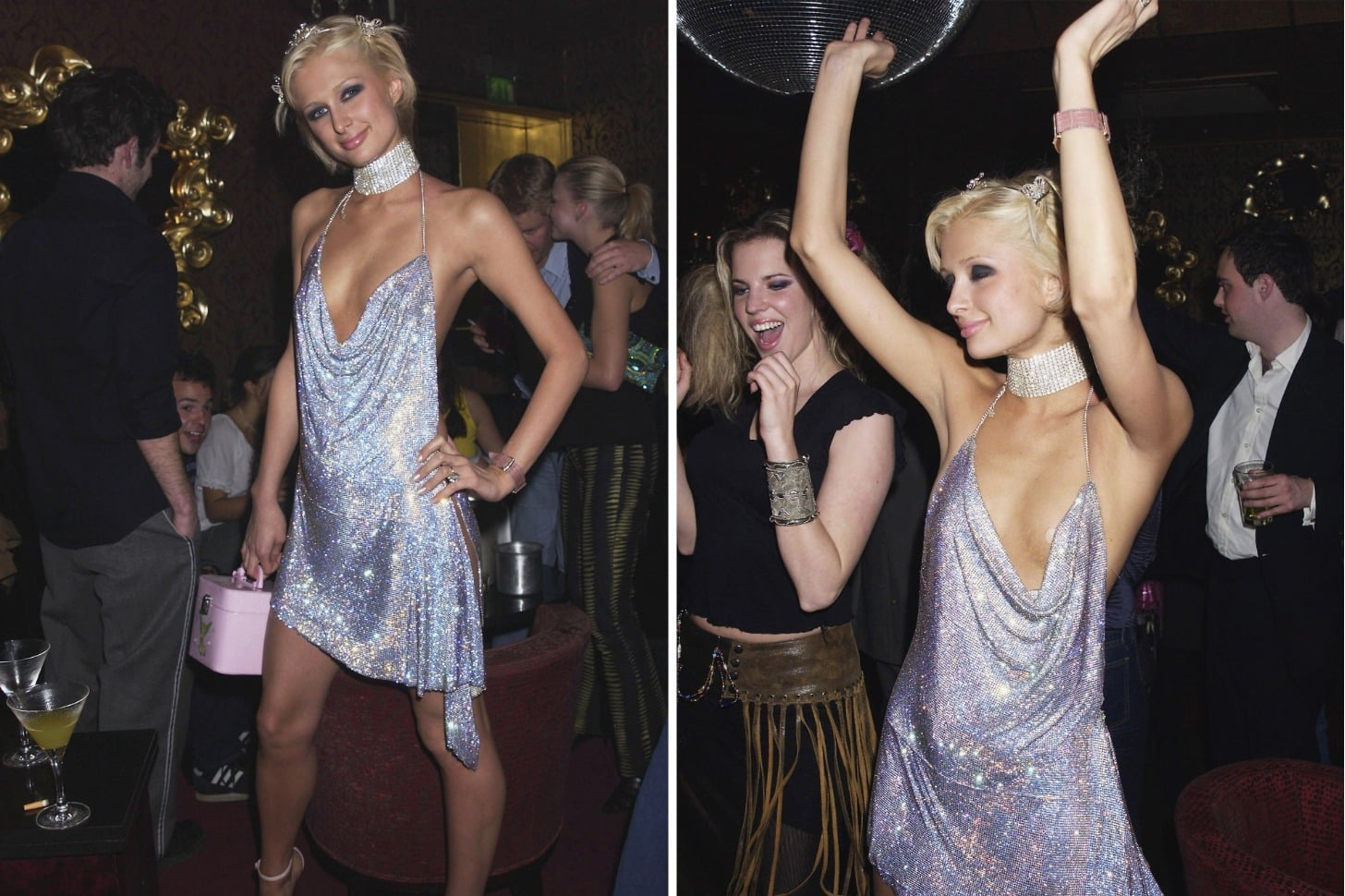 Image Source: Getty Images / Dave Benett [2]
Sorting through rows of sparkly going-out dresses, I remember a girl who was newly introduced to the thrill of the Manhattan social scene. There were so many magical experiences at my fingertips, from clubbing until the wee hours at BLVD to watching Mary J. Blige perform at Summer Jam. I instantly became enthralled with the art of occasion dressing, and it would later come to define my style and life in New York City.
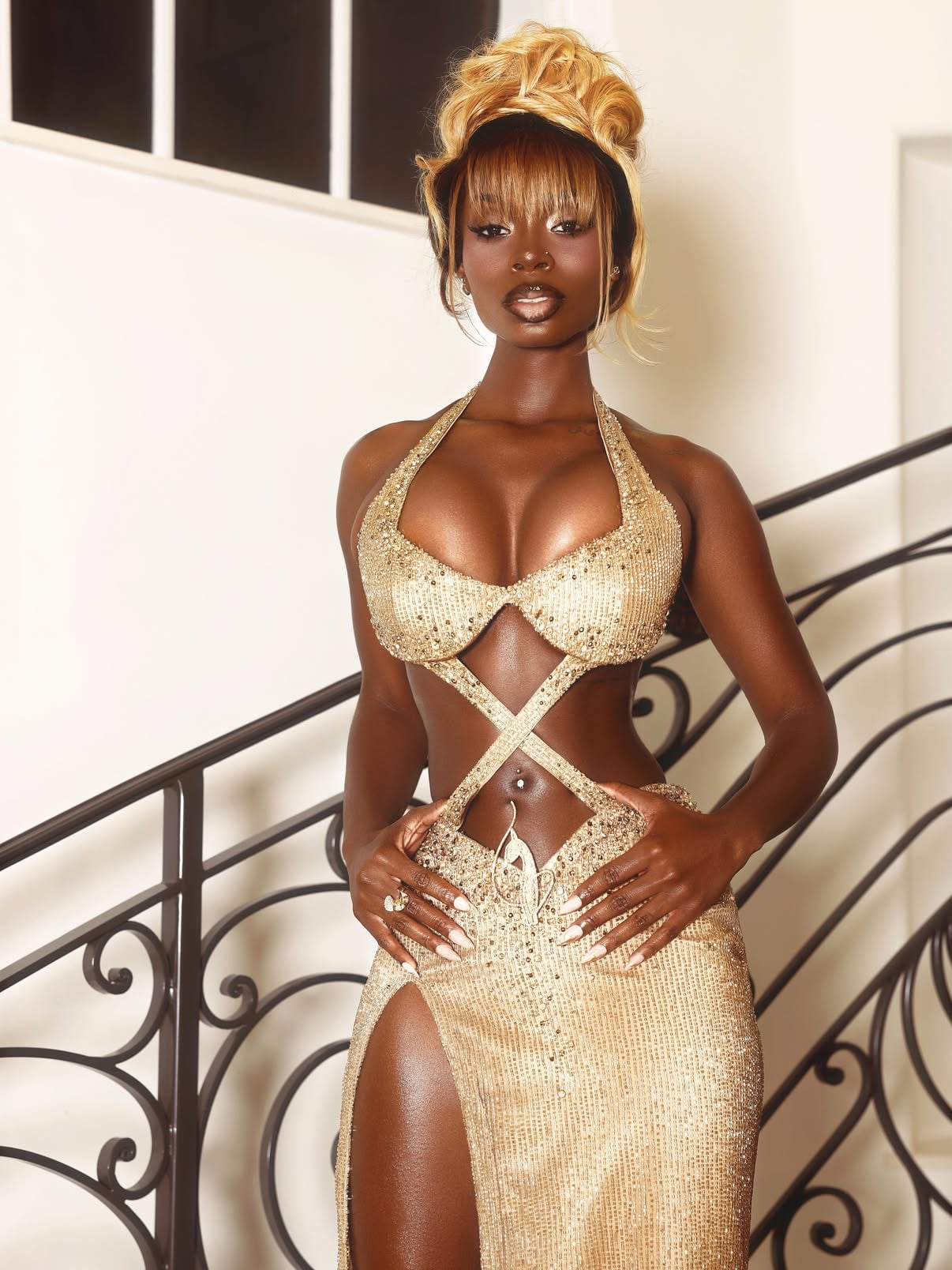 Image Source: Caz [3]
Scrolling through a long list of mall brands [4] that embodied the early aughts, I recall someone who, at times, felt like an outsider. I wasn't preppy, rich, or white enough for Aeropostale or Abercrombie & Fitch — or edgy and cool enough for Ed Hardy or Von Dutch.
Eventually, I found a home in Baby Phat.
With Kimora Lee Simmons's brand, I experienced, for the first time, a label that felt aligned with who I am: bold, feminine, and a tiny bit rebellious. More importantly, it meant everything to me to see women who looked like me modeling those designs — and I still get that feeling seeing Olandria wear the brand today.
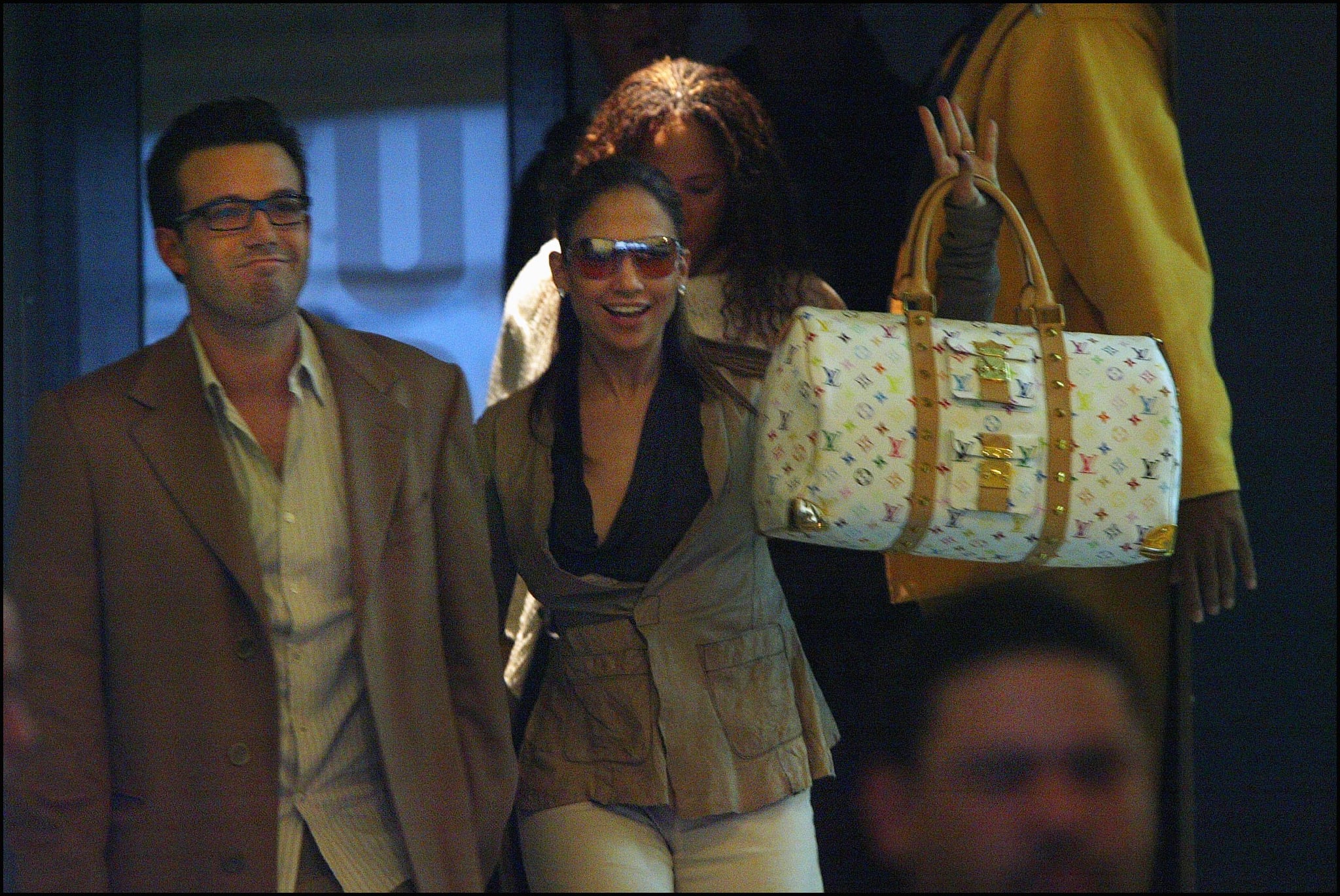 Image Source: Getty Images / Dave Benett [5]
Looking at shelves lined with colorful Louis Vuitton x Murakami bags, I relive the moment I first experienced their dopamine rush of rainbow color. I taped the iconic fashion ads featuring Naomi Campbell and JLo to my bedroom wall.
It was then that I discovered the art of the It bag: how a fashion item can elicit joy and an accessory can become a conversation piece, drawing like-minded people together with a compliment or a knowing glance as we pass each other on the street.
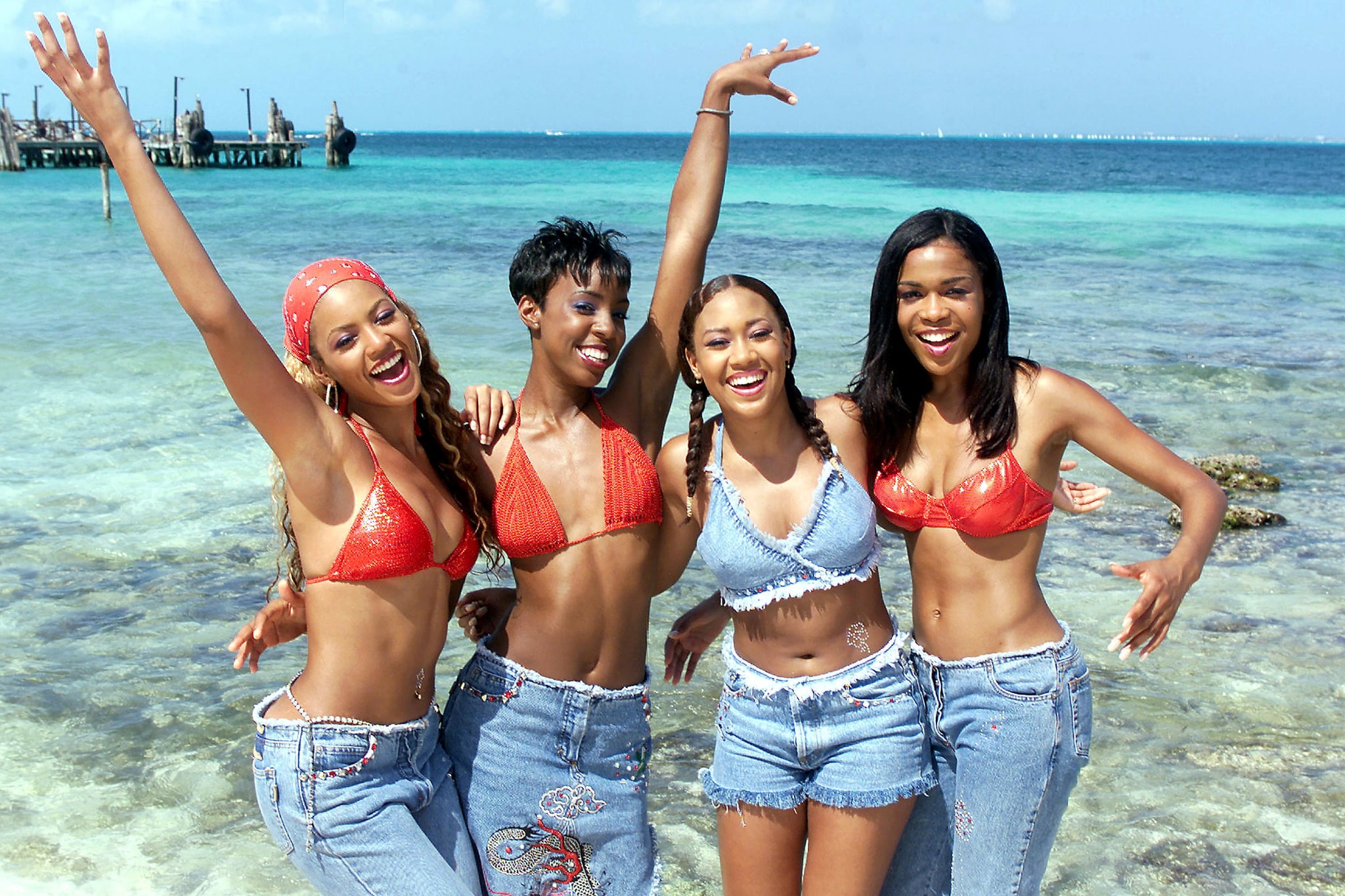 Image Source: Getty Images / Dave Benett [6]
In a fitting room full of low-rise jeans — which once showed off my newfound curves and belly-button ring — I remember a girl who struggled with body image. After years of being chided for looking "too skinny," I had finally developed the curves that everyone in my community praised. But I hadn't yet learned to love my body regardless of whatever state it's in, simply because it's mine.
As the years passed, I'd become too curvy for those same folks, a harsh reality that forced me to accept my body in every iteration rather than expanding or shrinking myself to fit social standards. Today, my abs aren't as defined as in the early 2000s, but I am healthy and strong, and I have found peace with who I am and how I look.
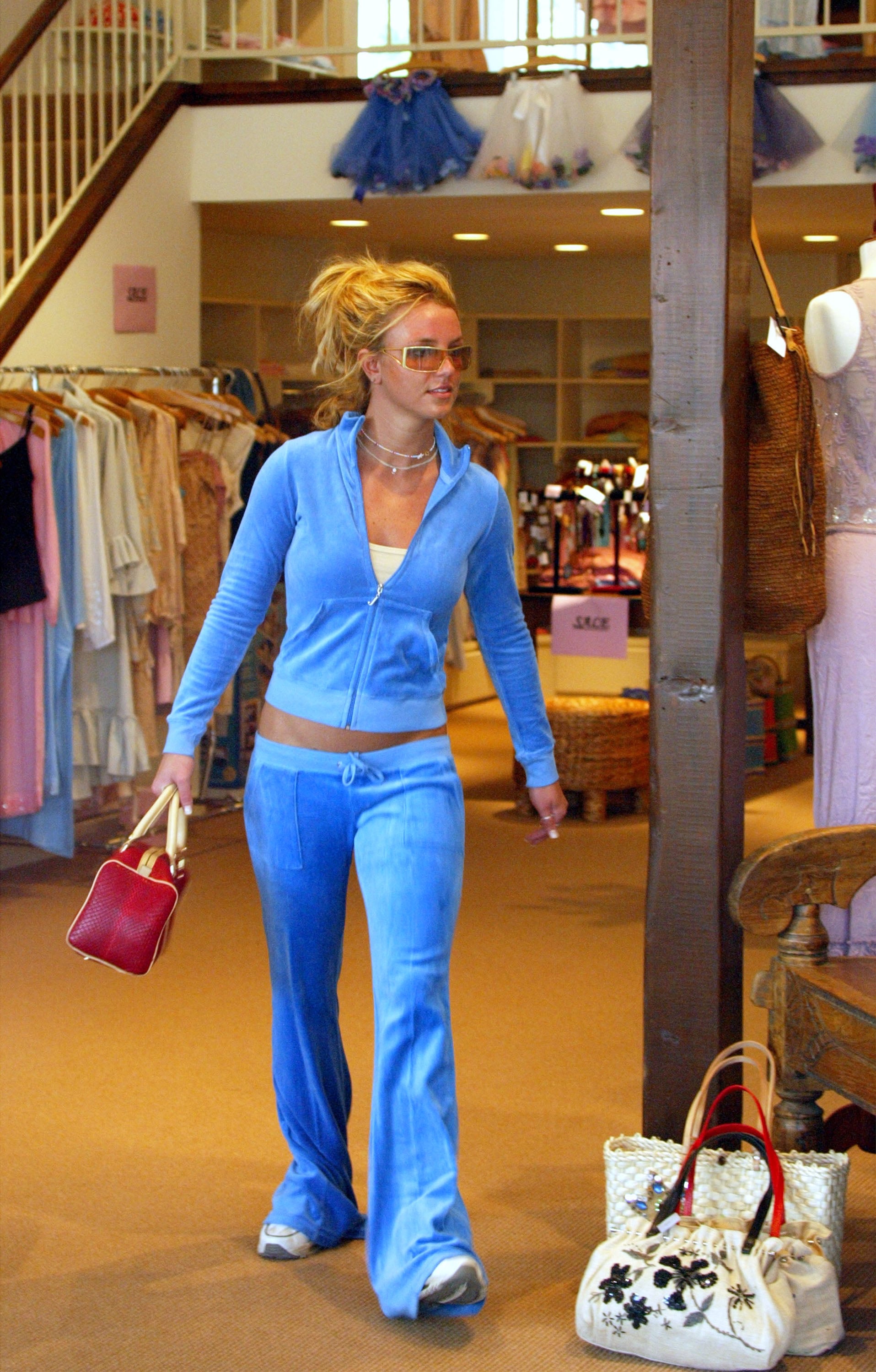 Image Source: Getty Images / Dave Benett [7]
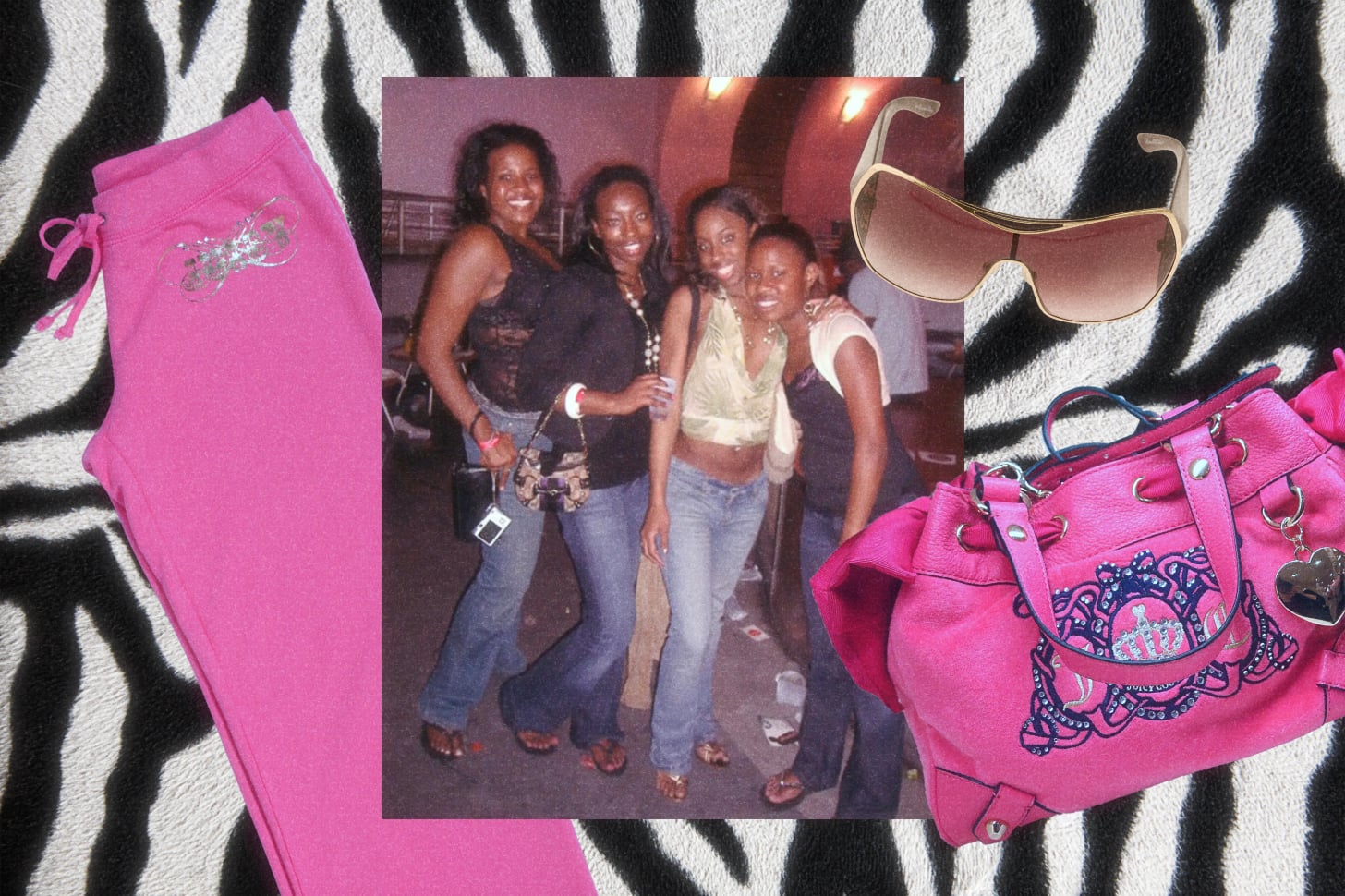
Walking past piles of velour tracksuits, I recall a girl who spent my whole paycheck on a pink Juicy Couture set and Uggs only to have to reconcile being on trend with not feeling like myself. From that look, I took away the lesson that not every aesthetic is for me; I can love some from afar, and that's OK.
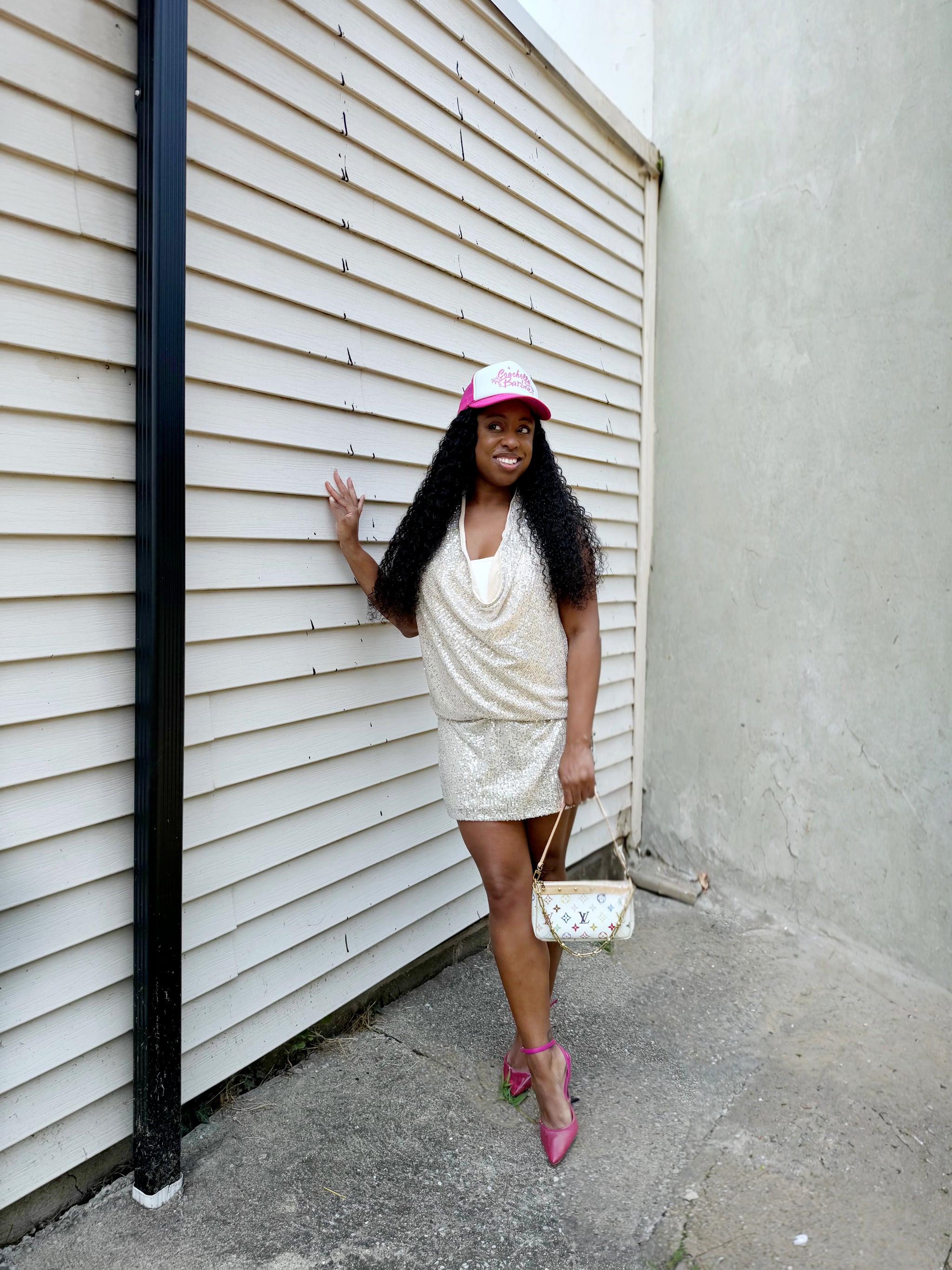 Image Source: PS Photography / Jessica Andrews [8]
In between the cool minimalism of the '90s and the athleisure revival of the 2010s, early-aughts trends felt particularly exclusionary. The look demanded that you embody a certain size, bank account, personality, and pedigree to participate.
I often felt like I didn't belong, but I'm grateful for that; it forced me to make peace with not fitting in, with going against the grain, with owning my differences.
Now, as I revisit those same trends, I can ignore the cacophony of outside influences and hear my inner voice in all its quiet assuredness.
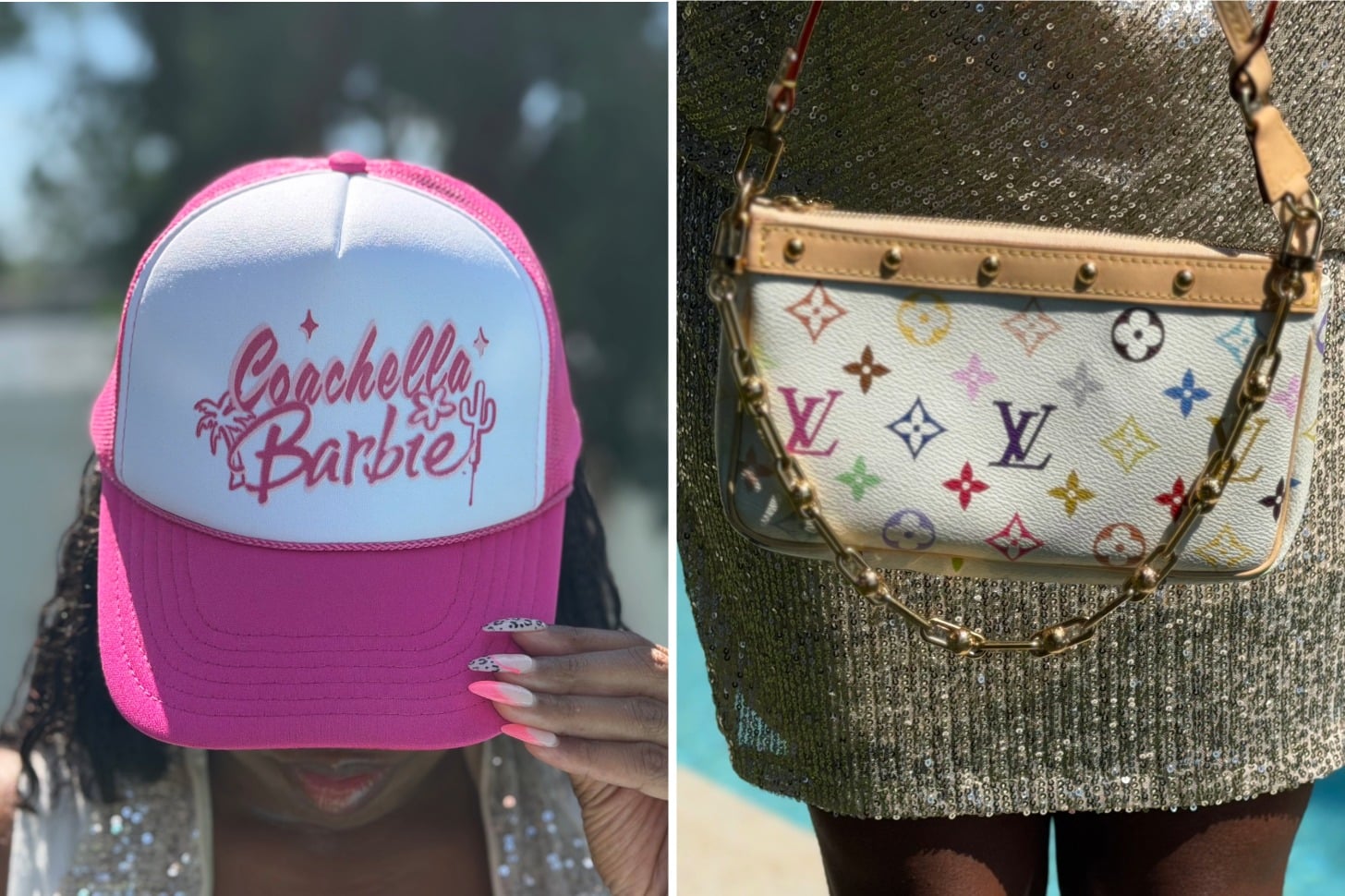 Image Source: PS Photography / Jessica Andrews [9]
I can experience the freedom of honoring my instincts, my opinion, my taste in every sartorial decision.
I can show up as myself.
Someone who won't shy away from a visible belly line in a baby tee. Someone who will wear Uggs for comfort but prefers to dress them up with tights and a miniskirt. Someone who still slips into a going-out dress for a magical night out in NYC, with a colorful LV x Murakami bag or Fendi baguette bag tucked effortlessly under my arm.
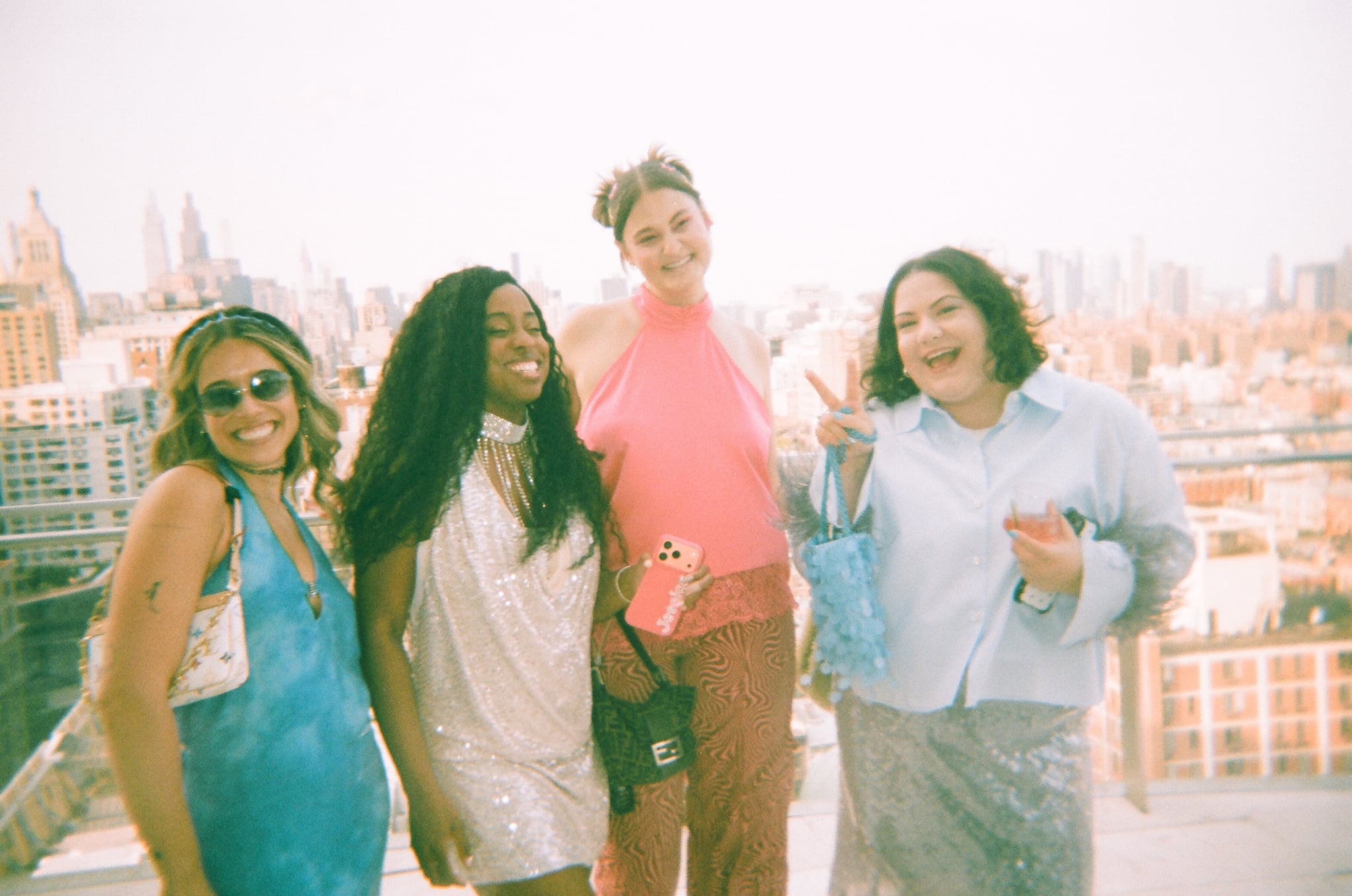 Image Source: PS Photography / Kaitlin Hatton
There's something so empowering about embracing styles from 2006 as the woman I am now, who is less interested in blindly following trends and fitting a mold.
Twenty years later, I feel at home in my low-rise skirts and my own skin.
Credits: On Jessica: Lovers and Friends Lyon Halter dress via Revolve [10] ($168). Friday Feelin Barbie Trucker Hat [11] ($40). Nine West Jermain Pump [12] ($90, originally $105). Rhinestone Diamante Necklace Choker [13] ($21). Louis Vuitton x Takashi Murakami Monogram Multicolor Pochette via Fashionphile [14] ($2,845, originally $2,995). Fendi Vintage Zucca Baguette Shoulder Bag via Vivrelle [15] ($139 per month to rent). On Sarah: Piper Rimless Oval Sunglasses [16] ($5, originally $15). Essential Zig Zag Headbands Set [17] ($12). Stretchy Tattoo Choker Necklace [18] ($10). Midnight Mix & Match Multi Earrings Set [19] ($25). On Summer: Star Hair Clips [20] ($6). Evaless Satin Lace-Trim Halter Top [21] ($20). Rimless Rectangle Y2K Sunglasses [22] ($13, originally $16).
Jessica C. Andrews [23] (she/her) is an award-winning editor and writer who currently works as the senior style director of PS, overseeing beauty, fashion, shopping, and identity content. With more than 15 years of experience, her areas of expertise include fashion, shopping, and travel. Prior to joining PS, Jessica held senior roles at Teen Vogue, Refinery29, and Bustle and contributed to The New York Times, Elle, Vanity Fair, and Essence. She's appeared on "Good Morning America," NBC, and Fox 5 New York and spoken on various panels about fashion, hair, and Black culture.