Most people will agree that a successful weight-loss plan includes a healthy diet and movement. Luckily, what you eat and how much you move are the factors you can control. Maybe you're already doing this, but did you know that there are some unusual ways to help boost weight loss that you probably haven't heard of?
Best of all, these tips aren't fads; they are actually backed by research.
Keep in mind incorporating these unusual ways for weight loss won't alone get the pounds to come off. However, adding them to your current routine may give you the extra boost you're looking for!
Taste and smell go hand in hand. If you smell something delicious, chances are it will encourage your appetite for that food. The opposite is also true. If we smell something revolting, appetite usually goes down.
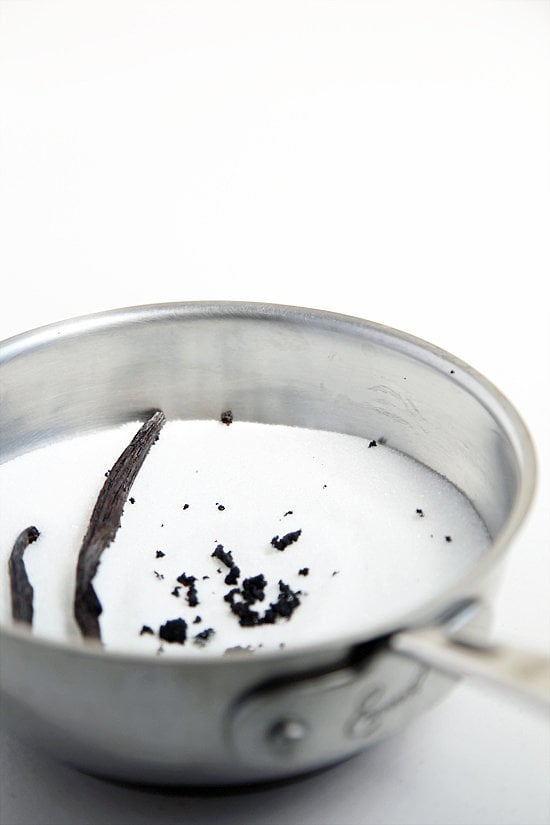
Smelling vanilla may actually help calm dessert cravings. This sweet scent has a calming effect on the part of the brain where cravings live, which can help curb your appetite. The study was done in St. George Hospital in London, and researchers found those who wore vanilla-scented patches lost more weight than those wearing no patch or a lemon patch. Researchers believe the sweet smell of vanilla helped appease the need for something sweet, and participants who smelled vanilla were less likely to overeat sweets.
So if sweets are your guilty pleasure, getting a vanilla-scented air freshener or candle could help you resist the temptation.
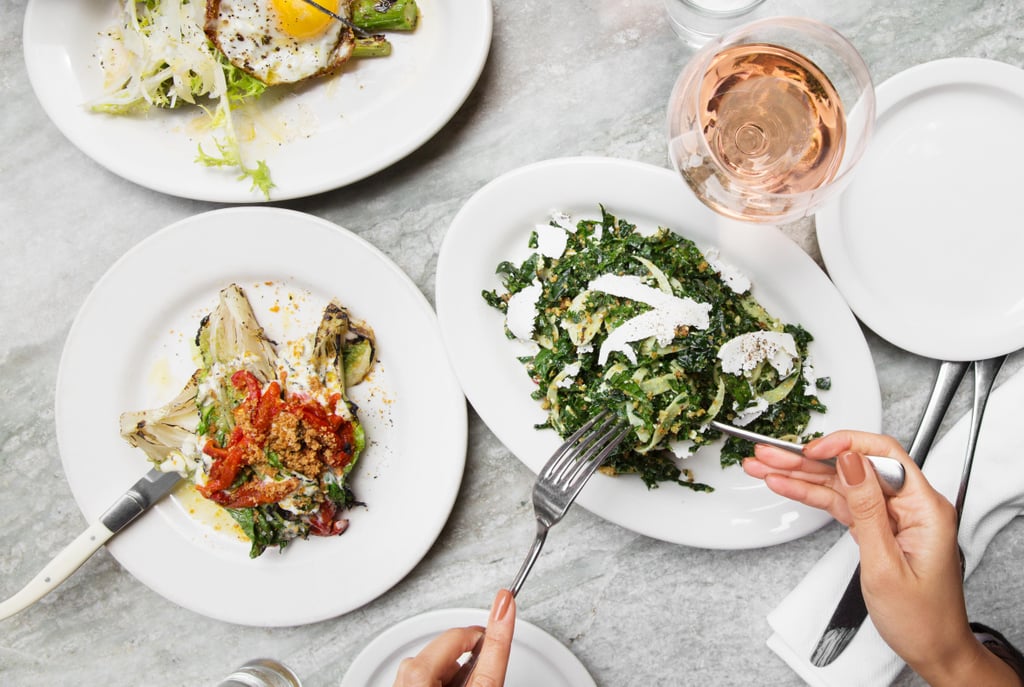
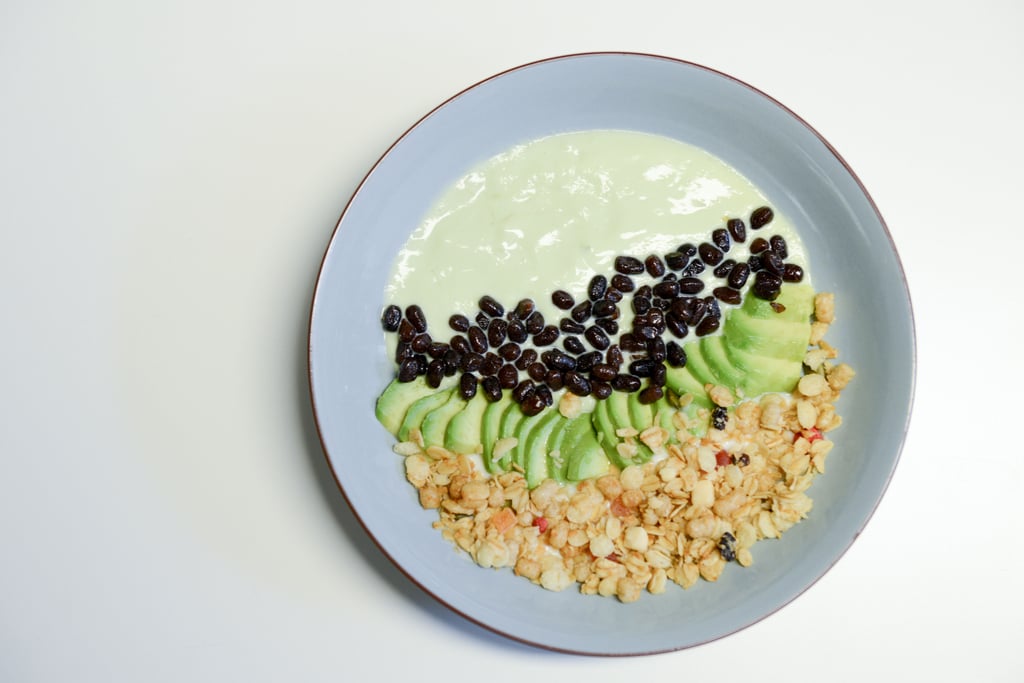
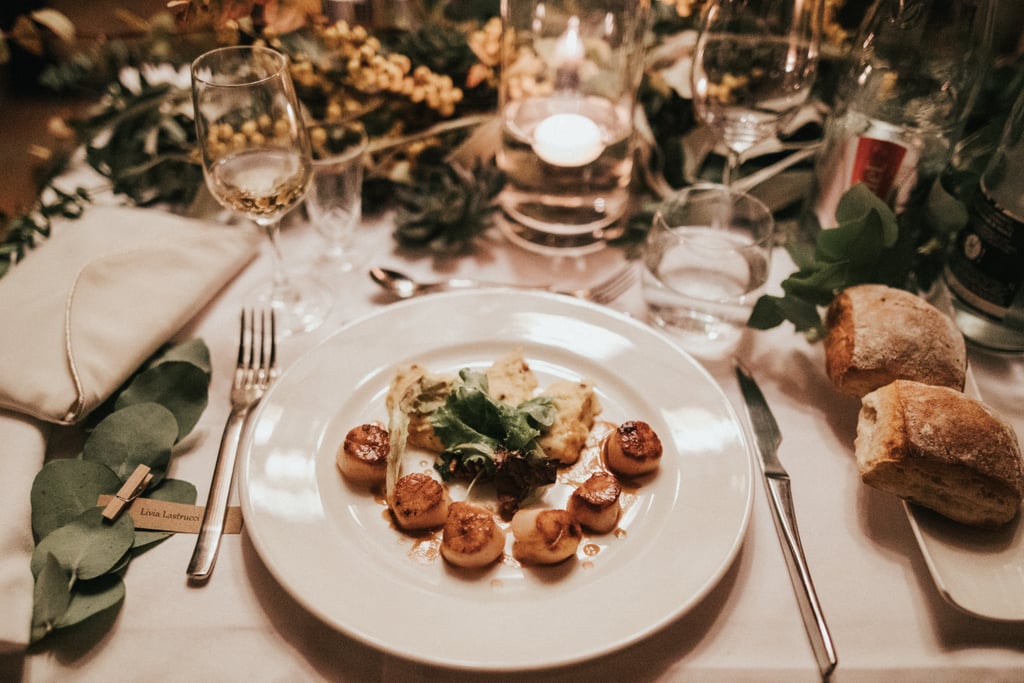
The food you serve on your plate certainly makes an impact on weight. However, research from Cornell University also suggests the color of your plate can make a difference on how much you eat. Researchers found when study participants ate off same colored plates as their food, they served themselves about 30 percent more food. When study participants ate off different colored plates than their food, they served themselves less food. This difference in how much you eat off of plates could help or hinder weight-loss efforts.
Want to take it a step further? Contrasting plates with the tablecloth also seemed to further help lower food intake. Other studies have suggested blue plates could help lower food intake. This is probably because the vast majority of foods are not blue, meaning no cravings in the brain are triggered.
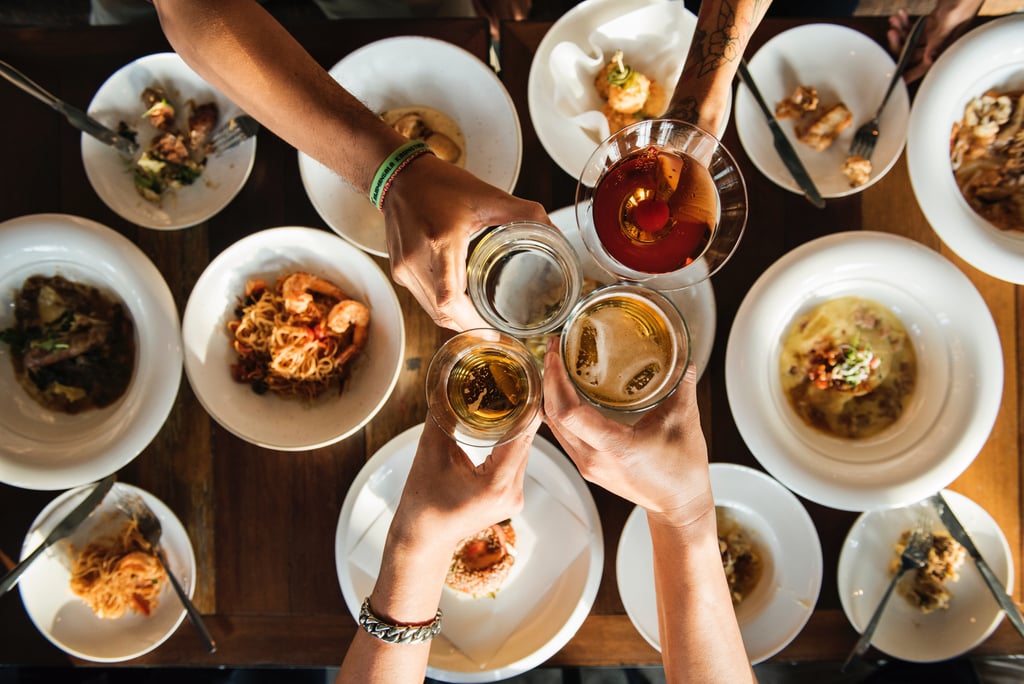
Researchers suggest the portions others eat around us can also become a norm. This doesn't mean you need to find a new group of friends, but it means to increase your awareness of environmental cues around you.
3 / 6
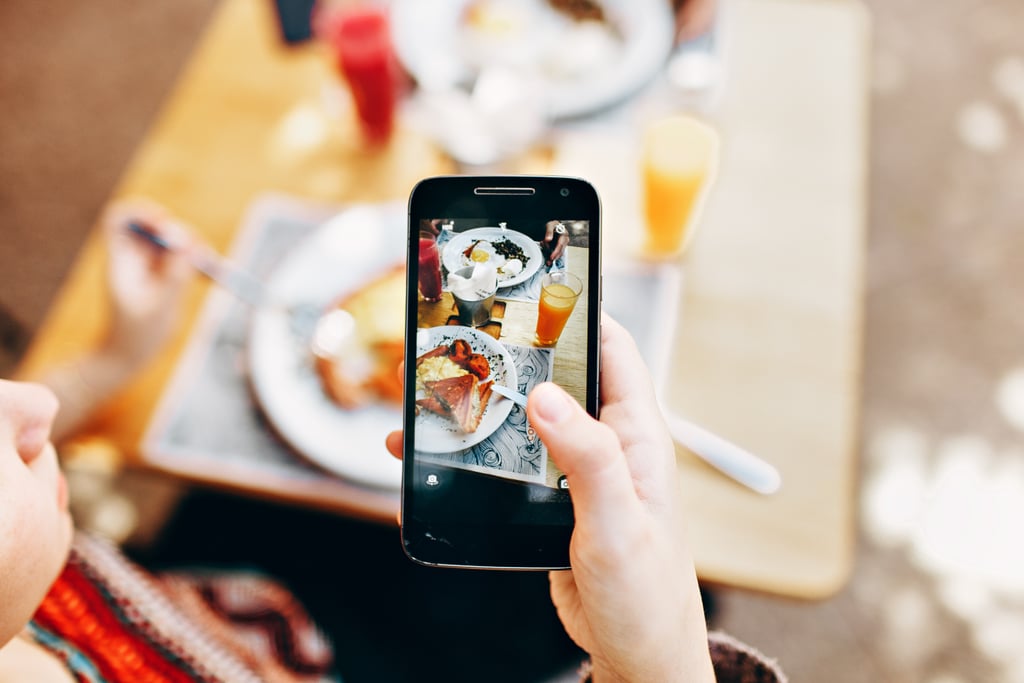
4Write down or take a picture of everything you eat
Many weight-loss programs suggest tracking your food intake by writing it down to keep you honest about how much and what you are eating. It can also show where you are sneaking in extra calories or larger portions of food that you don't realize.
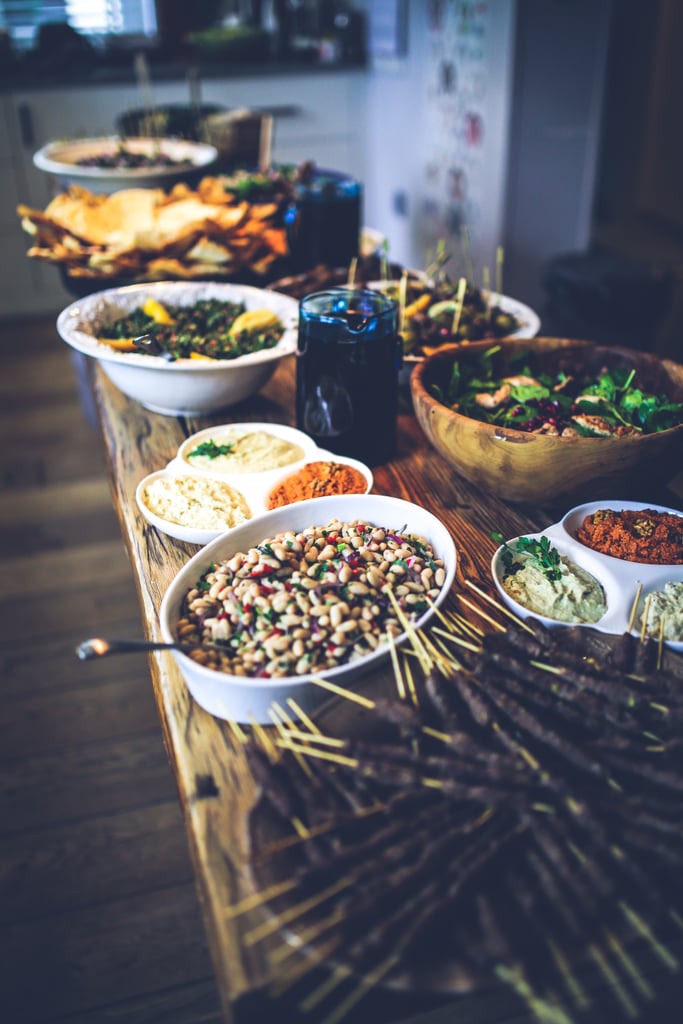
Many slight changes in your environment can make eating healthier the easier choice. Many times when food is out of sight, it helps keep it out of mind. One small change you can make for encouraging smaller portions at meal times can be to change where you keep your serving dish.
Leaving the serving dish on the stove instead of on the table could help you keep your portion size down. Instead of reaching for seconds right away on the table, you need to make an effort to get more from the kitchen. This can also help slow down your food intake to give your brain enough time to register when you're full.
If you go to any sit-down restaurant, chances are the lights will be dimmed. Contrast that with a fast-food restaurant, or even your own home, and the lights are probably a lot brighter.
Researchers found dimming the lights lengthened the eating time, suggesting a more relaxed atmosphere increases satisfaction and decreases how much food you eat. While this study was in a restaurant, dimming the lights in your own home could have the same effect on food intake.