For a long time, it felt like there were two types of people in the world — glasses people and contact lens people. You picked your camp, committed to it, and that was pretty much that. Glasses were for the people who liked their frames, contacts were for the people who didn't, and rarely the twain would meet.
But lately, I've started to wonder why we've been so committed to this binary. Because really, why can't you be both? With contact lenses becoming easier to try and more accessible to everyday glasses wearers, the idea of having both options feels a lot more appealing. At Specsavers, for example, you can have a contact lens consultation and try them out for free, which makes exploring the other side feel like considerably less of a commitment.
When you think about how much flexibility we've built into every other part of our lives, it seems strange that we've treated glasses and contact lenses as an either-or. We have work clothes and weekend clothes, running shoes and going-out shoes, giant tote bags for carrying our entire lives and tiny little bags that somehow fit a phone, lip balm, and absolutely nothing else. We adapt what we use depending on what we're doing. Yet when it comes to our vision, we've somehow decided that we need to pick one option and stick with it. Personally, I'm much more interested in the idea of having options.
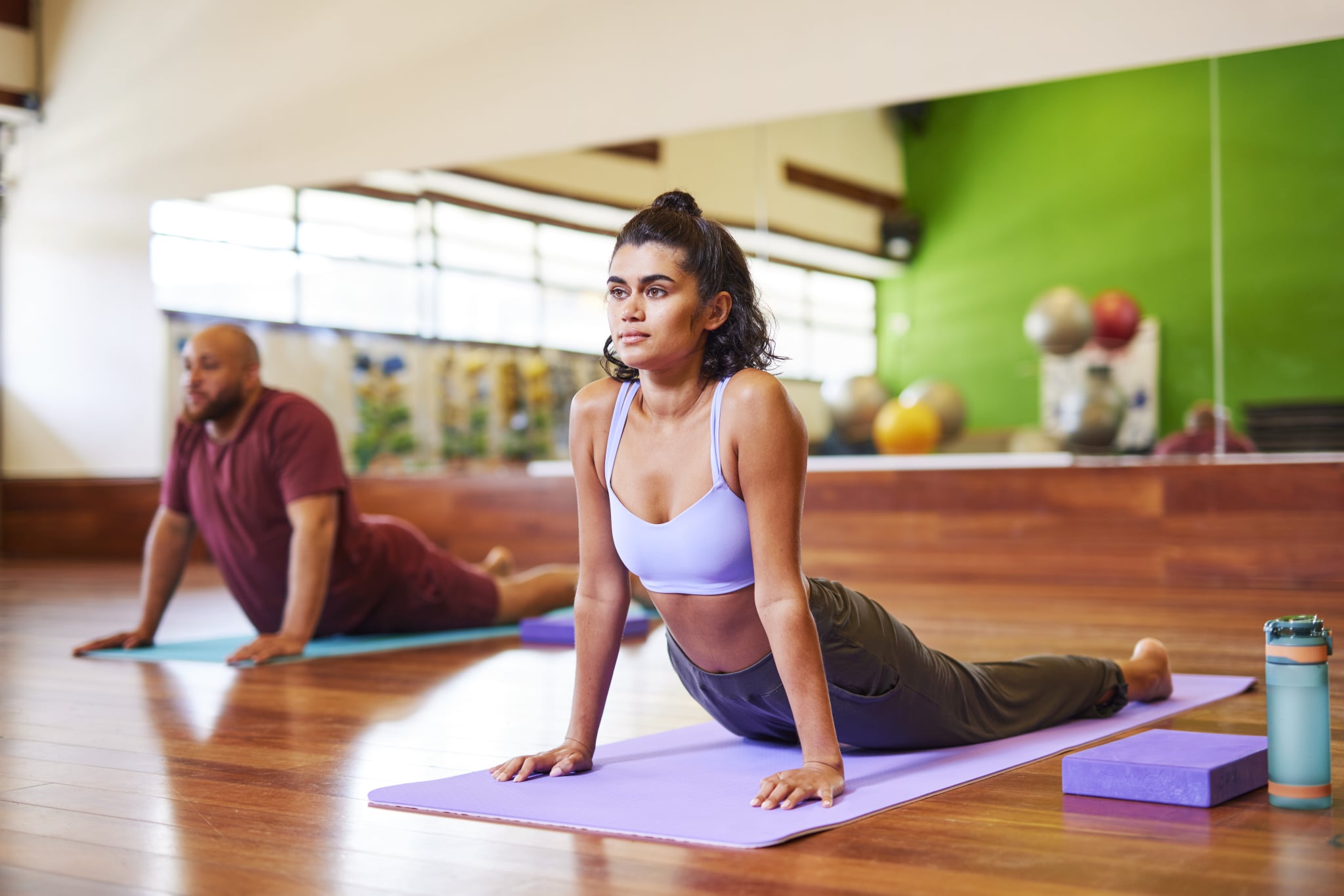
This doesn't mean glasses are going anywhere, but there are moments when glasses aren't necessarily the most convenient option. Take exercise. If you've ever tried running while repeatedly pushing your glasses back up your nose, you know exactly what I mean. They can slip when you're sweaty, bounce around while you're moving, or simply become one more thing to think about when you're trying to concentrate on what you're actually doing. Playing tennis or football can also make you particularly aware of the frames sitting around the edges of your vision.
And then there are all the smaller things. Or not being able to wear your favourite pair of non-prescription sunglasses. Getting makeup around your frames. Putting on a hat and discovering it doesn't quite sit the way you wanted. Heading away for the weekend and trying to decide which sunglasses will work with your glasses. None of these things are particularly dramatic, but collectively, they can make you realise that sometimes another option would simply be easier. That's where contact lenses start to feel less like an alternative lifestyle and more like another useful option to have in your back pocket.
There is something appealing about being able to see clearly without having to think about the frames on your face. Contact lenses sit over the cornea, which is the front surface of the eye, to correct vision, so they can provide a wider field of view without frames getting in your way. For active moments, that can be particularly handy, whether you're following a tennis ball across the court or keeping track of what's happening around you on the football field. And when you're not exercising, there are still all those little freedoms, like being able to put on your favourite sunglasses, a hat, or makeup without having to work around your frames.
I also think there's a misconception that contact lenses are only an option for a very particular kind of prescription, or a very particular kind of person. In reality, they can be suitable for a wide range of vision needs, including astigmatism or reading correction, and they're fitted for people across a wide range of ages. The only real way to know whether they're suitable for you is to have a contact lens consultation at Specsavers, where an optometrist can take your vision, comfort, and everyday routine into account.
This is also why I think the idea of being a "glasses person" is starting to feel a little outdated. You don't have to give up your glasses because you decide to try contact lenses. You can wear glasses while working from home, contact lenses while playing sport, glasses while reading on the couch, and whichever you prefer when you're heading out for dinner. You can switch between them depending on your plans, your outfit, your activity, or simply what feels most comfortable that day. There is something quite appealing about that kind of flexibility.
For glasses wearers who are curious about giving contact lenses a try, Specsavers contact lenses offer a way to explore whether they fit into your routine without making the whole thing feel like a huge commitment. A contact lens consultation and free trial at Specsavers can help you work out whether they're suitable for your vision and lifestyle needs, whether that means wearing them for workouts, social occasions, weekends away, or simply those days when you don't feel like wearing frames.
Ultimately, I don't think this is about deciding whether glasses or contact lenses are better. That's the wrong question. The better question is which one makes sense for what you're doing.
Maybe glasses are still the everyday favourite. Maybe contact lenses only come out for sport or special occasions. Maybe you wear contacts most weekdays and reach for your glasses at home. Maybe you switch between the two without thinking about it at all.
And honestly, why shouldn't you? We're constantly told to streamline our routines, reduce our options, and find the one perfect solution that will supposedly work for everything. But sometimes the most practical thing you can do is give yourself a choice.
For me, that's the more interesting shift happening with contact lenses. They're becoming less about replacing glasses and more about making room for another possibility. A different option for a different day, without requiring you to abandon the one you already know works for you.
So why not speak to your local Specsavers optometrist to find out whether contact lenses could be a suitable option for you?