Finishing Powder vs. Setting Powder, Explained by a Pro
The Difference Between Finishing Powder and Setting Powder

As POPSUGAR editors, we independently select and write about stuff we love and think you'll like too. If you buy a product we have recommended, we may receive affiliate commission, which in turn supports our work.
Whether you have oily or dry skin, makeup lovers know powder is used at some point during your routine. Regardless of if it's a light setting of your concealer or you're a fan of full-on baking, it's virtually impossible to get a flawless full face without it.
Still, powders can be a particularly confusing category, especially if you don't know the difference between a setting powder versus a finishing one. When trying to build your perfect routine, a myriad of questions may enter your mind when you get to the powder category of Sephora or your favorite drugstore. What's the difference between setting and finishing powder? Is it just marketing, or do they really serve different purposes when it comes to doing makeup? Do I really need both? Trust us, we get it.
To help clear it up, we reached out to makeup artist and beauty blogger Ivy Boyd.
Experts Featured in This Article
Ivy Boyd is a makeup artist and beauty blogger based in Iowa.
The Difference Between Finishing Powder and Setting Powder
To answer your question: yes, finishing and setting powders are different and serve different purposes — it's simply a matter of function vs. form. "A setting powder does exactly that — it sets your makeup," Boyd tells PS. She describes finishing powder, on the other hand, as more of a filter. "It is often translucent and is used to blur pores, soften texture, and even give an overall glow to the skin." Basically, finishing powder is for looks, whereas setting powder helps you get more hours out of your concealer, foundation, and other face makeup.
How to Use Setting Powder
When applying setting powder, Boyd recommends using a damp beauty blender to press the loose powder under your eyes and into your T-zone for an airbrushed look. Remember: press and roll; don't aggressively blend or rub.
How to Use Finishing Powder
Finishing powder should be lightly dusted on. "Think of it like a veil," Boyd says. She recommends a large, fluffy powder brush for applying finishing powder, but she says you can still use a damp beauty sponge for your cheeks where pores are larger.
Now that you know the difference between the two formulas, here are some of the best finishing and setting powders on the market.
Best Translucent Setting Powder
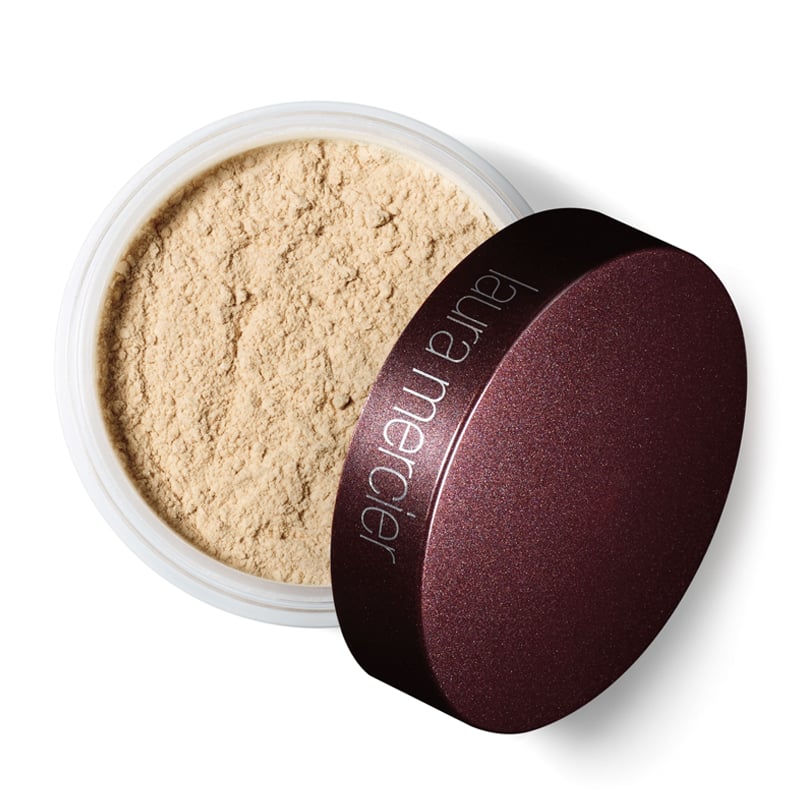
Laura Mercier's Setting Powder ($47).
This formula is nothing short of legendary when it comes to the world of setting powders. A popular powder among beauty YouTubers and influencers, it comes in a translucent, a medium shade, and a deep shade to match your skin tone.
Best Setting Powder for Dry Skin
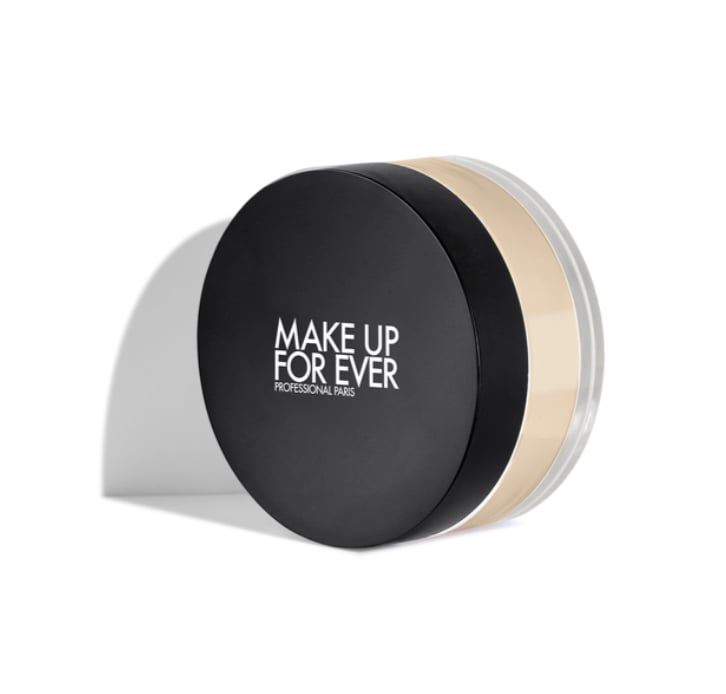
Make Up For Ever Ultra HD Matte Setting Powder ($43)
If you have dry skin but still want to reap the benefits of setting powder, this Make Up For Ever Setting Powder is your answer. It's known to be easy on dry skin while providing a smooth finish over foundation.
Best Drugstore Setting Powder
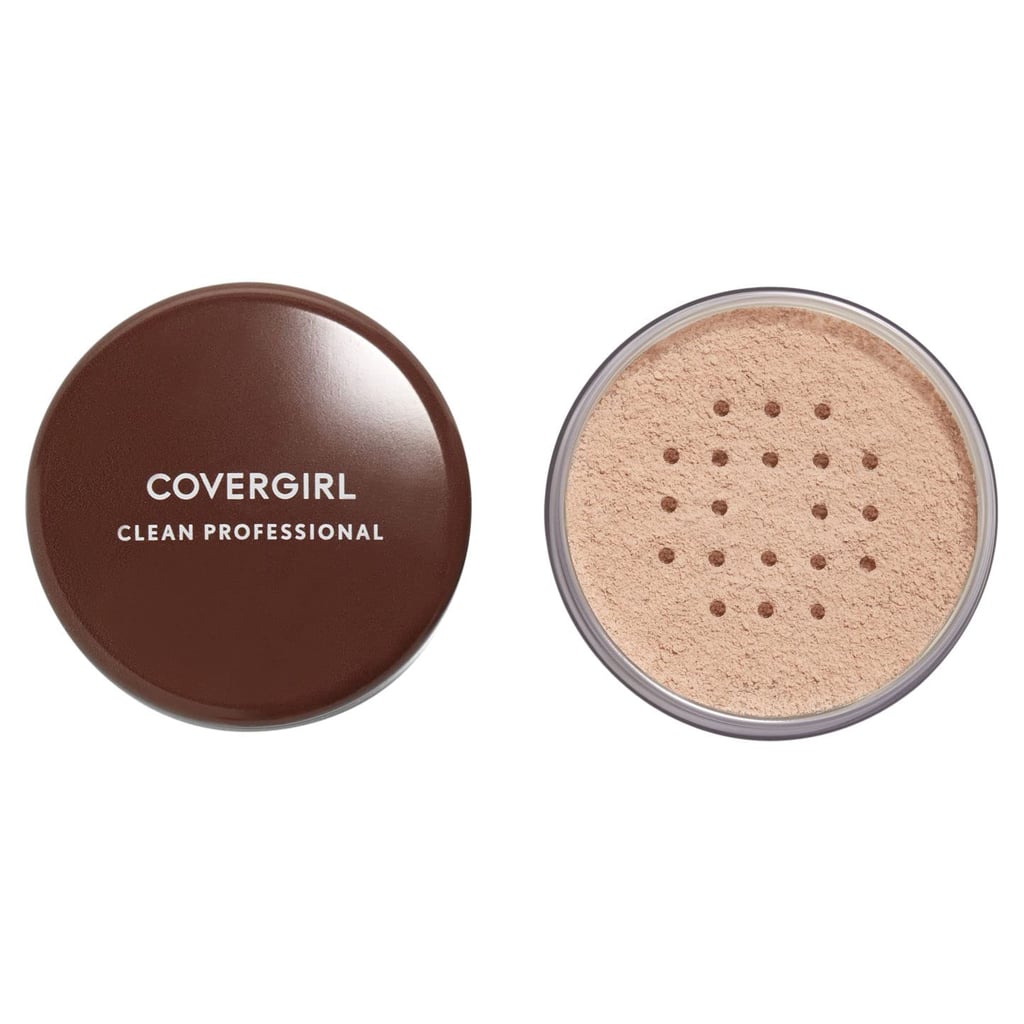
CoverGirl Professional Loose Powder ($15)
This gem from the drugstore gives your makeup a professional-level finish for a fraction of the cost. This travel-friendly powder sets your makeup, controls shine, and allows buildable coverage to help you create an ultrasmooth look.
Best Long-Lasting Setting Powder
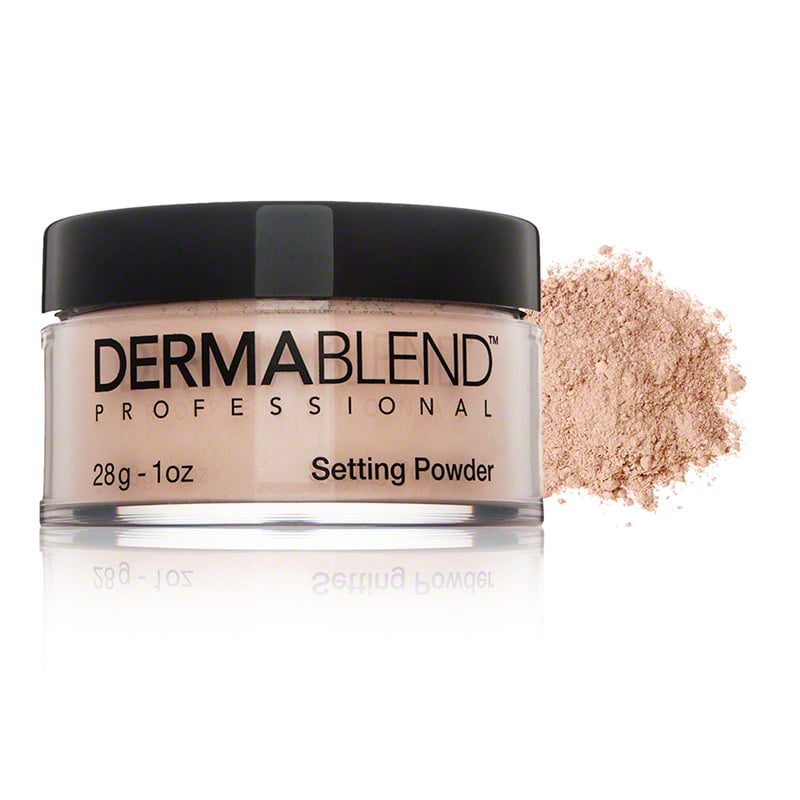
Dermablend's Loose Setting Powder ($32)
Dermablend's setting powder promises up to 16 hours of staying power, so you can rest easy knowing smudging and fading won't be an issue on days when you need long-lasting coverage. Not only does this powder set your makeup, but it also helps minimize pores and control shine.
Best Lightweight Setting Powder
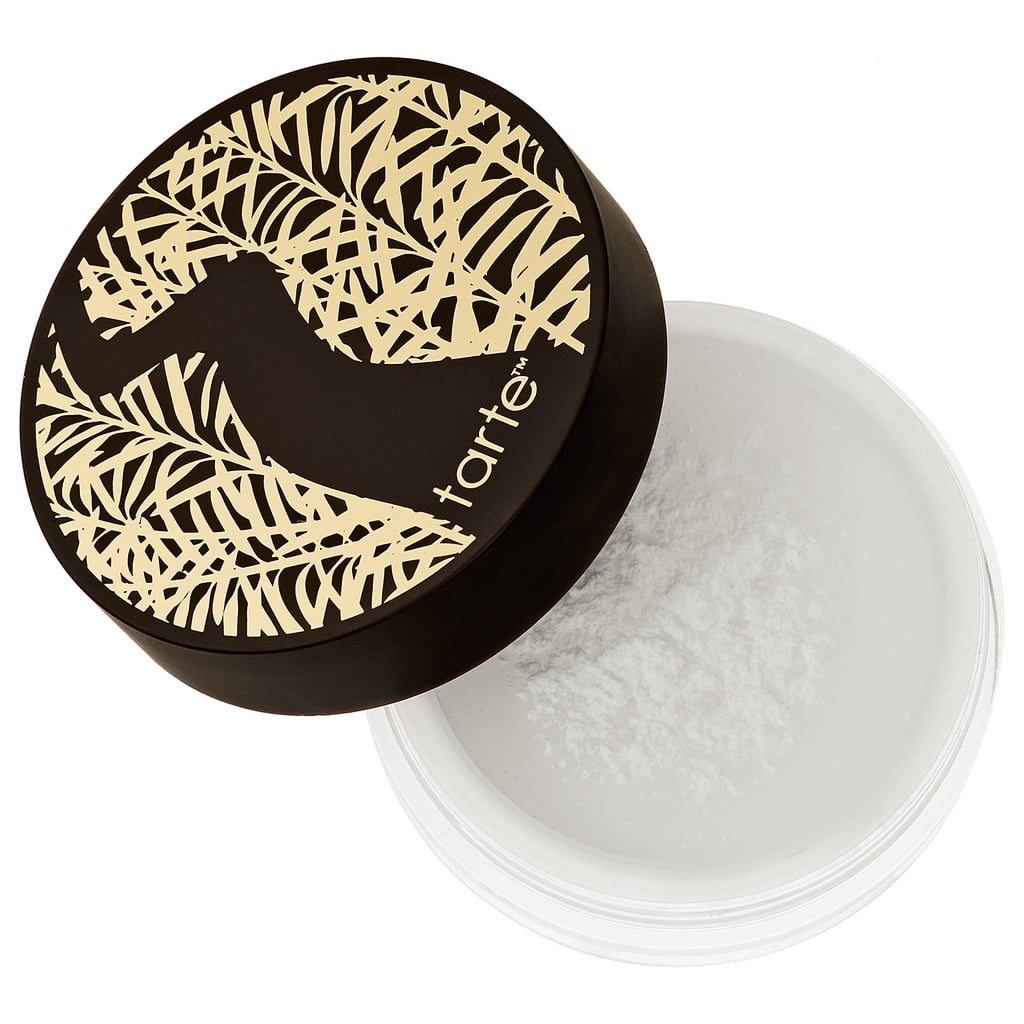
Smooth Operator Amazonian Clay Finishing Setting Powder ($37)
Tarte's vegan products have long been fan favorites, and this one is is no different. This translucent powder absorbs extra oil and leaves skin with a smooth, matte finish that also locks in your makeup. It's perfect for those who are going for a natural no-makeup makeup look.
Best Blurring Finishing Powder
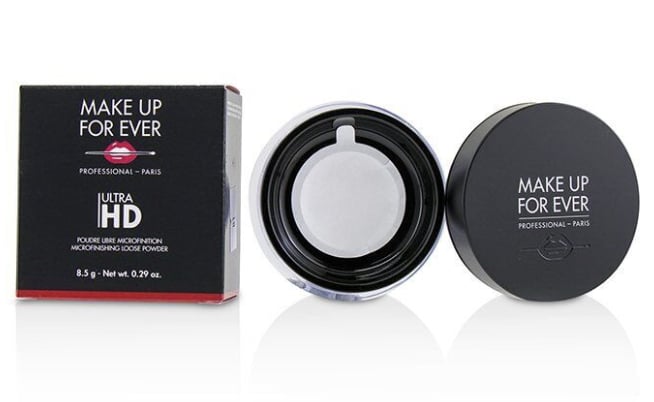
Make Up For Ever's HD Loose Powder ($39)
This powder is a cult classic, created specifically for looking your best on camera. Even if your face won't be in 4K, you can apply it for a smooth, natural finish. Not to mention, this coveted powder delivers a naturally matte, diffused look while minimizing the appearance of pores and fine lines.
Best Pressed Finishing Powder
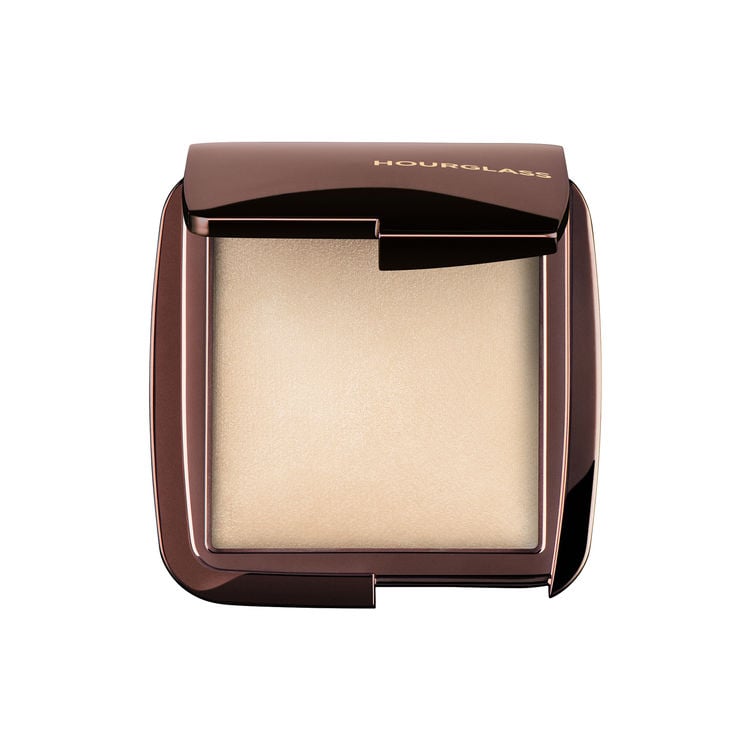
Hourglass Ambient Lighting Powder ($29)
While not translucent in color, the tiny color-correcting particles in this hourglass powder counteract the effects of harsh light and refine the appearance of skin. This powder also comes in six shades to work with different types of light, including radiant and luminous light.

Best Drugstore Finishing Powder
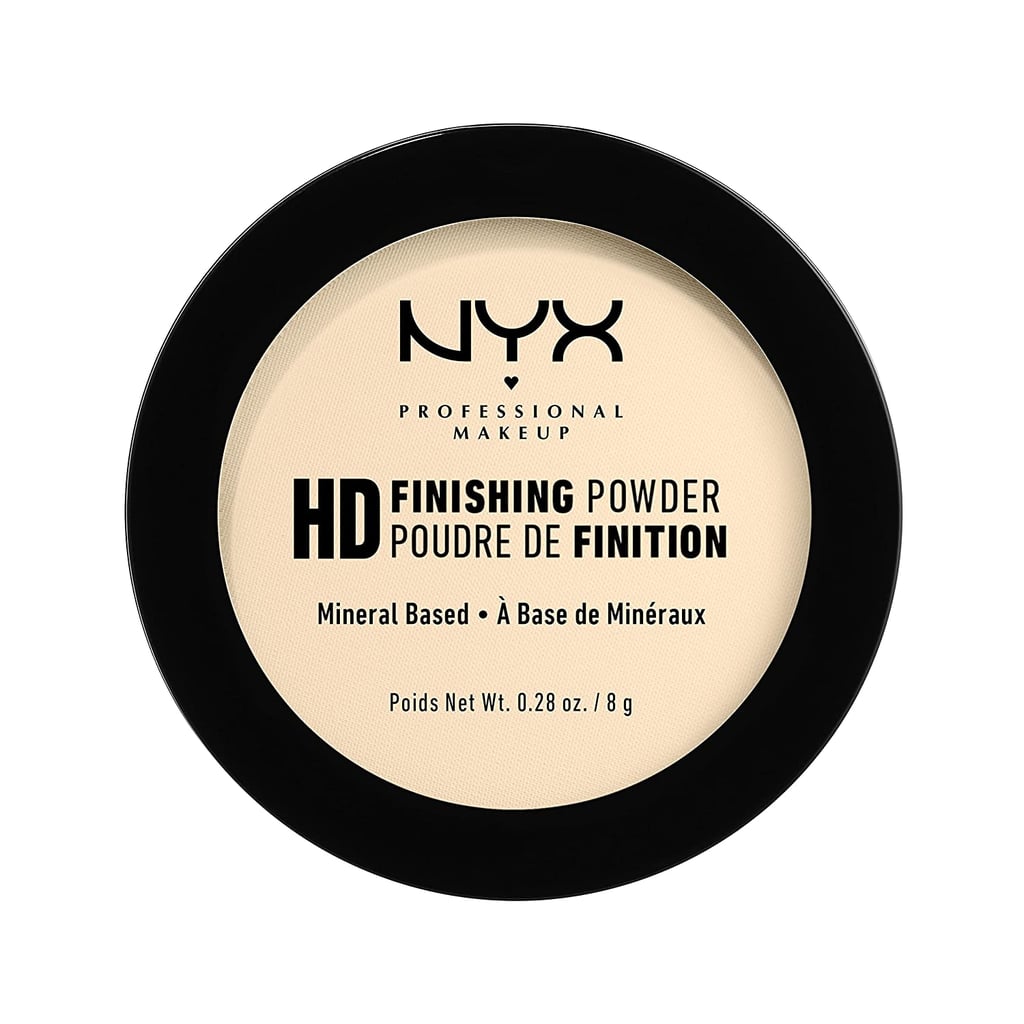
NYX's Professional Makeup HD Finishing Powder ($10)
This affordable formula is perfect for those with oily skin. The silky-pressed powder provides translucent coverage and leaves behind a lightweight, matte finish.

— Additional reporting by Ariel Baker
Catherine Conelly is a PS contributor.
Ariel Baker is the associate editor for PS Beauty. Her areas of expertise include celebrity news, beauty trends, and product reviews. She has additional bylines with Essence and Forbes Vetted.