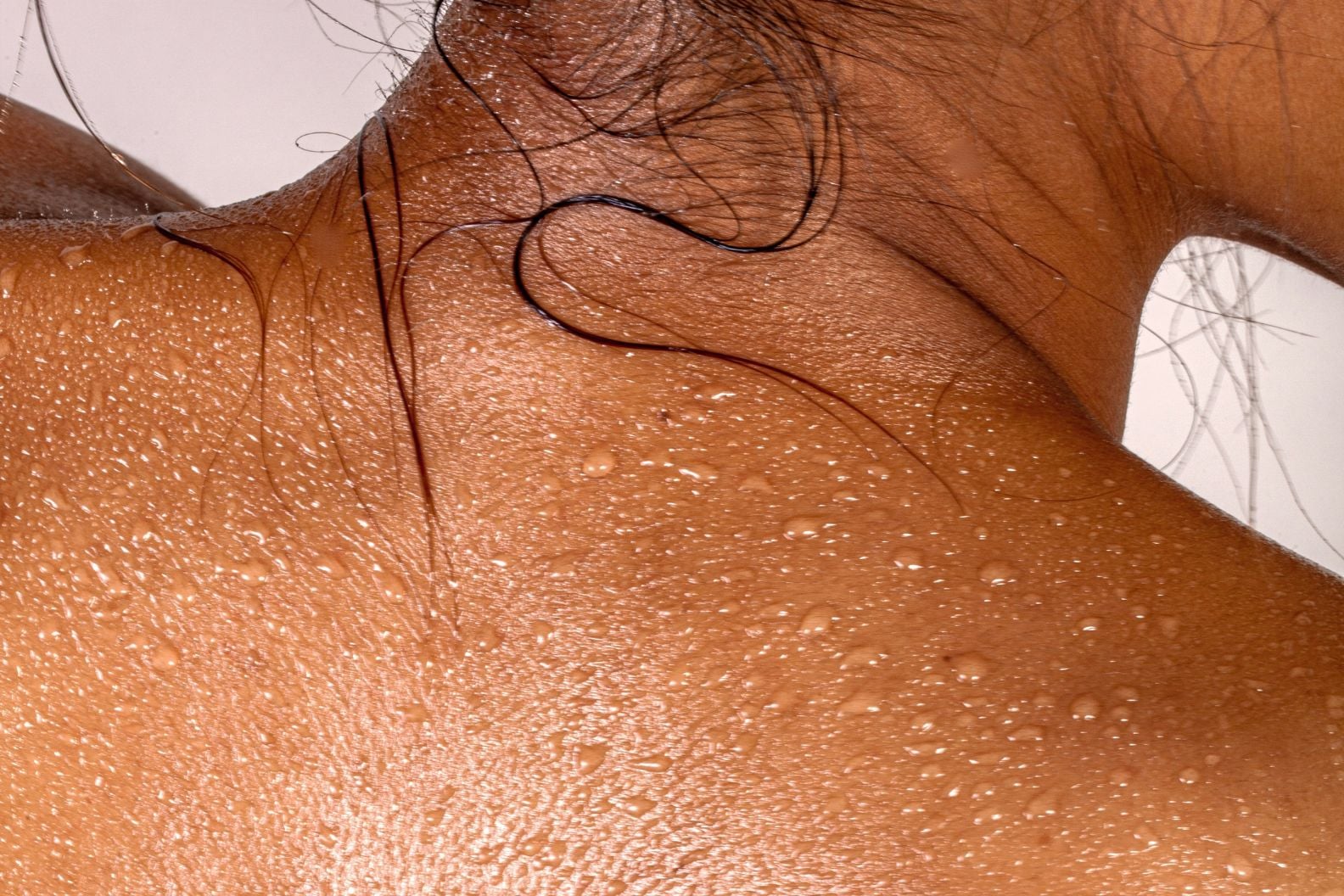
As the winter chill settles in, you might notice a familiar shift in your skin. While it might've been hydrated and glowing a few months ago, now it could be dry, tight and even irritated. According to a dermatologist, it's due to a perfect storm of environmental factors.
"During winter, our skin barrier's tested by a drop in temperature and humidity, indoor heating and potentially hotter showers," says Dr Sarah Hannam, Dermatologist and member of the Australasian Society of Cosmetic and Procedural Dermatology. "This increases our chances of dry skin, sensitivity, irritation and flares of eczema and dermatitis."
Many people continue their summer skincare routine into winter, not realising their skin's needs may have changed with the season. Common mistakes Dr Hannam sees are over-cleansing, skipping moisturiser or using lightweight lotions that don't offer enough protection and moisture.
"Some even increase exfoliation when their skin feels dry," she says. "This worsens irritation and sensitivity."
Here, Dr Hannam shares some of her best tips for how to treat dry winter skin.
Re-evaluate Your Cleansing Routine
First is to reassess your cleansing routine. Cleansers that worked in warmer months can be too harsh in winter. Foaming or gel cleansers with strong surfactants – short for surface-active agents – can strip the skin of essential oils and disturb our crucial skin barrier.
"In winter, I generally recommend cream-based formulations that are reasonably gentle, soap-free, fragrance-free and pH-balanced," Dr Hannam says. "And if you're looking for an exfoliant of some description, I'd always choose chemical — like salicylic acid or glycolic acid — over physical."
Prioritise Intense Moisturisation
When our skin's exposed to winter elements, the key to locking in hydration and strengthening our skin barrier is moisturiser — for everyone. It's a common misconception that people with acne-prone skin should avoid moisturiser altogether.

"Look for a formulation that contains ceramides," says Dr Hannam. "Apply on damp, not wet, skin after a gentle wash or cleanse. Adding a hydrating serum under your moisturiser can further boost effectiveness."
Consider Environmental Adjustments
Other than applying — or not applying — skincare products, a few other things can help to repair and maintain your skin barrier in winter. You could try physically protecting your skin with hats, gloves and scarves. You could also try limiting hot showers and avoiding exposure to severe temperature changes.
"Some people find using a humidifier in indoor spaces helpful," Dr Hannam says. "And, of course, use SPF protection daily."
See a Dermatologist
Finally, remember not to take treatment of your skin lightly — it really is the window to your world. Skin can majorly affect our comfort, confidence and quality of life. If you're struggling, it might be worth seeing a dermatologist.
"A dermatologist is across any of your skin, hair and nail health needs," says Dr Hannam. "No problem is too small or mild. Dermatologists are passionate about perfecting skin health, which is unique to everyone. If it's a skin flare-up not responding to treatment, or just general skin advice, please see one of us."