"The BMF Documentary" Episodes 3 and 4: "The South's Got Something to Say" and "The World Is BMF’s"
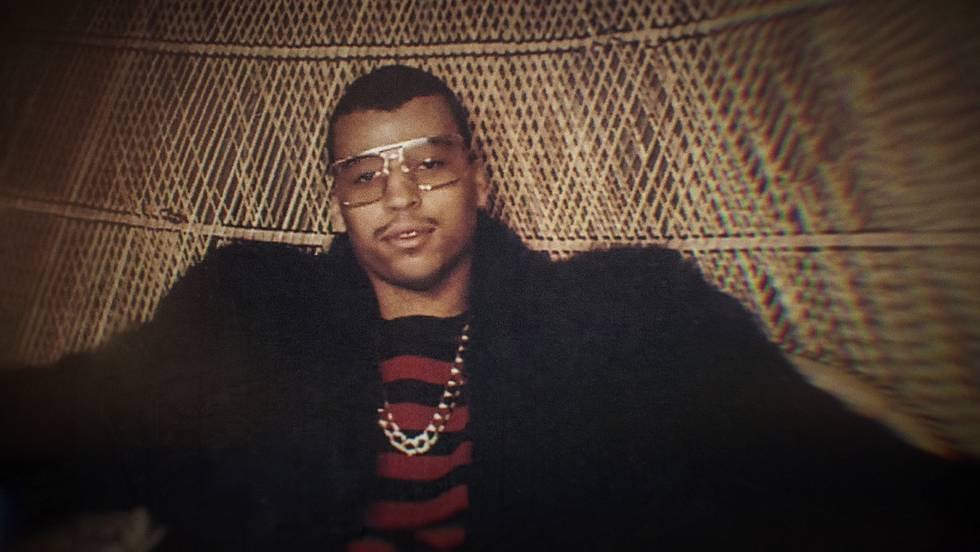
Big Meech molded his street persona based on other well-known crime bosses. According to Burnstein, Big Meech studied all the pioneers of organized crime, both real-life and fictional (Al Pacino, Tony Montana, Alejandro Sosa), as his reputation in the drug game grew. From them, he learned what to do and what not to do to build BMF into a drug empire.
BMF hired mechanic specialists to hide their drug transports from law enforcement. In order to move drugs in their cars, BMF enlisted the help of mechanics to retrofit new limos and install secret compartments in them to conceal their product. "They turned hiding drugs in vehicles into an art form," Burnstein says in the documentary.
The name BMF was born out of a lack of existing Black mafias. BMF conducted itself like a family compared to other drug organizations, so Big Meech chose a name to reflect that. "We heard there was really no Black Mafia," he says in the documentary. BMF member Wayne Joyner adds, "They got Russian mafias, Bulgarian mafias, Jewish mafias — what about us?" And so the Black Mafia Family was born.
Big Meech boasted a very high-profile image despite being on law enforcement's radar. Big Meech's successful drug business fueled his passion for establishing legitimate businesses that could offer him the same affluent lifestyle — including his record label, BMF Entertainment. His flashy image eventually caught the attention of law enforcement, but he continued to seek public recognition despite still selling drugs. Big Meech even went as far as putting up billboards around Atlanta to advertise BMF Entertainment (which was funded by drug money) — one of which was placed right near a district attorney's office.