Is Your Toddler Too Old For a Rear-Facing Car Seat?
Why You Shouldn't Be Worried About Keeping Your Toddler Rear-Facing For "Too Long"

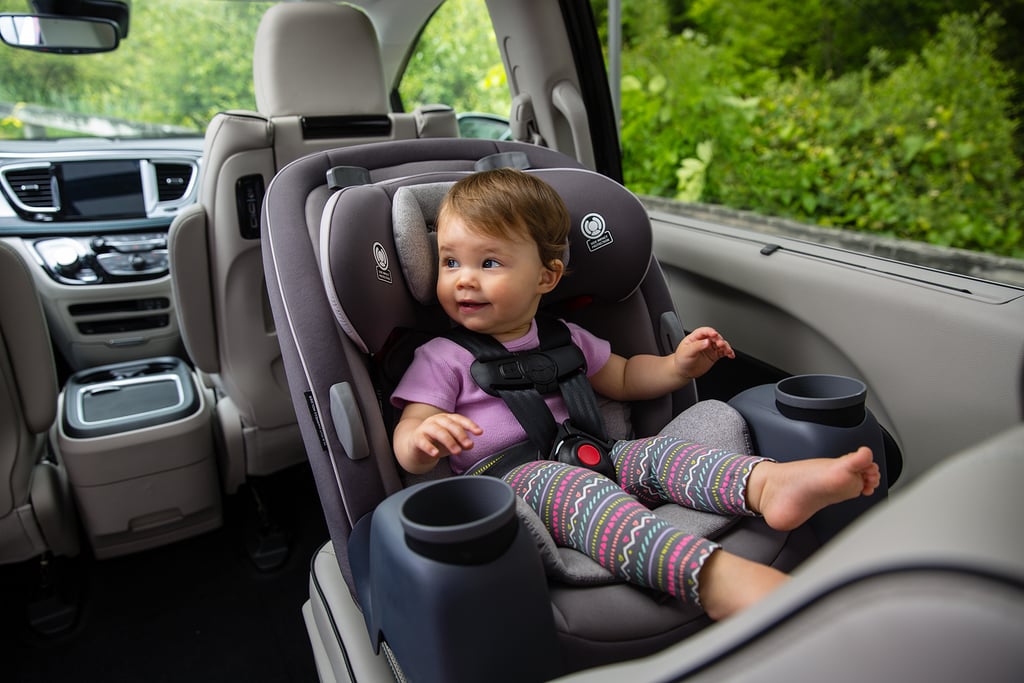
Rear-Facing Is Associated With Fewer Injuries in an Accident, Including Leg Injuries
Although some parents remain concerned about their rear-facing children's legs being hurt or broken in the case of an accident, our experts assure us that the risks of injury while rear-facing are much smaller. Additionally, protecting the head and neck are of the utmost importance, and this position protects those areas well.
"As far as injuries go, it turns out that arms and legs are rarely injured when rear-facing, so there is really nothing to worry about in that sense," says Dr. Hoffman. "If they are injured in a crash, it's important to remember that legs and arms are easier to fix than brain or head injuries, so while it's hard to think about a child being injured at all, the fact remains that rear-facing is associated with way fewer injuries period."
Hawker suggests speaking to your child's pediatrician to get their recommendations, as not all children are the same. "If your child's pediatrician feels that your particular child needs to remain rear-facing longer, you should follow that advice," he says.