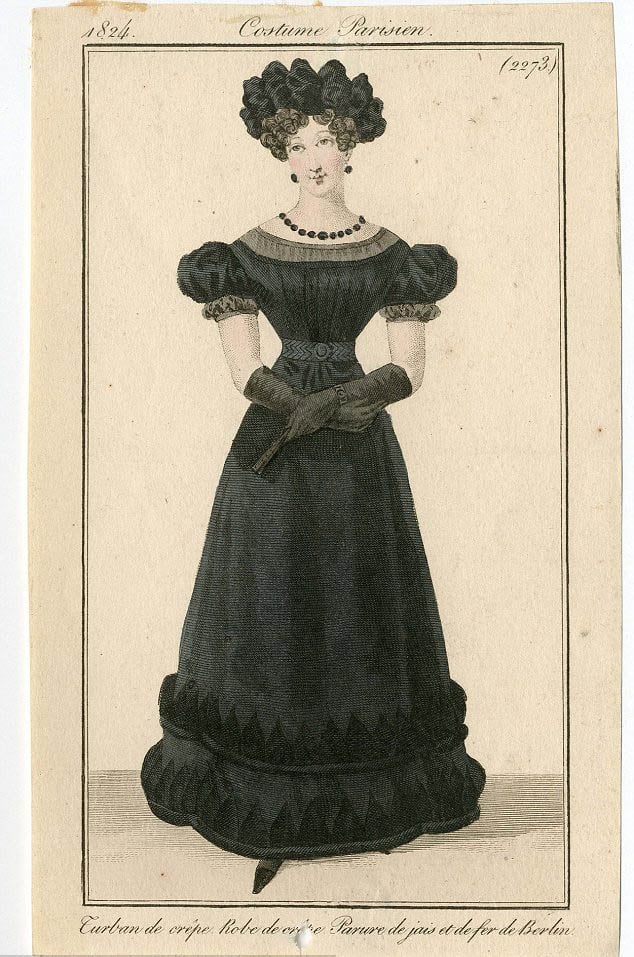
Death Becomes Her Mourning Clothes Exhibition
Just in Time For Halloween, Death Becomes Fashionable


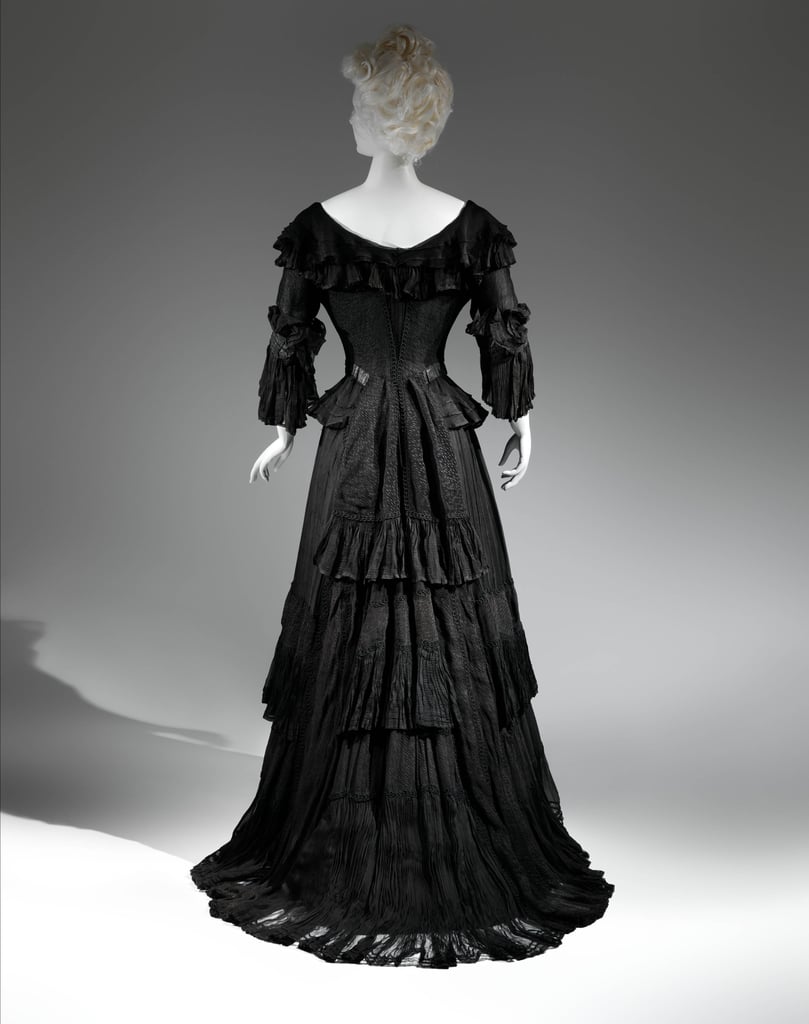
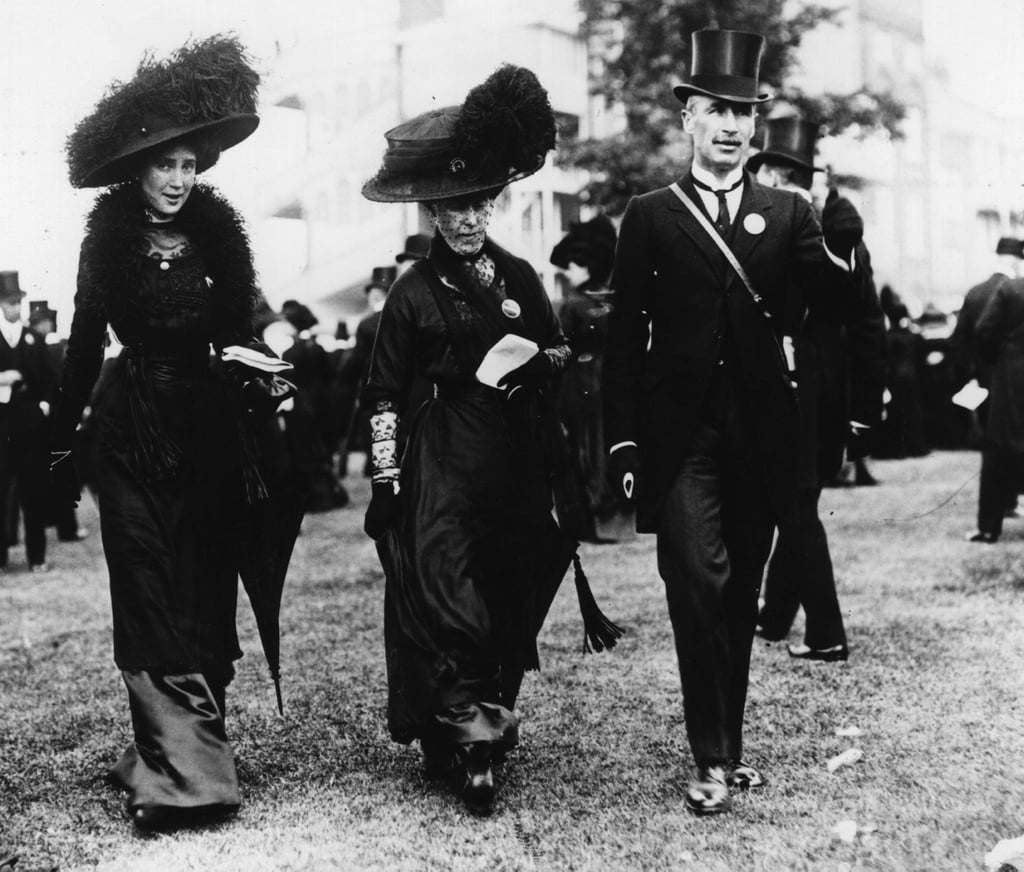
Dressing in all black might be a universal fashion statement now, but it wasn't always that way. Up until the early 1900s, clothes made in black were worn exclusively by widows in mourning. Many of these garments will be on view at the Metropolitan Museum of Art's Costume Institute in a new exhibition titled Death Becomes Her: A Century of Mourning Attire.
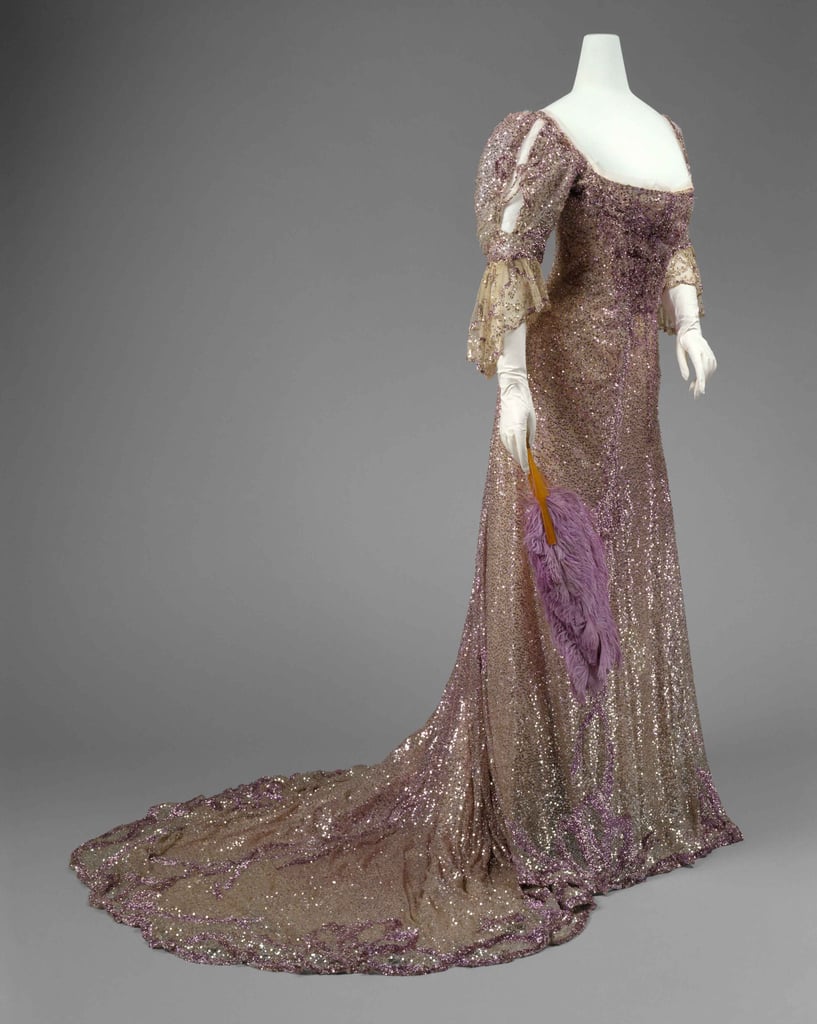
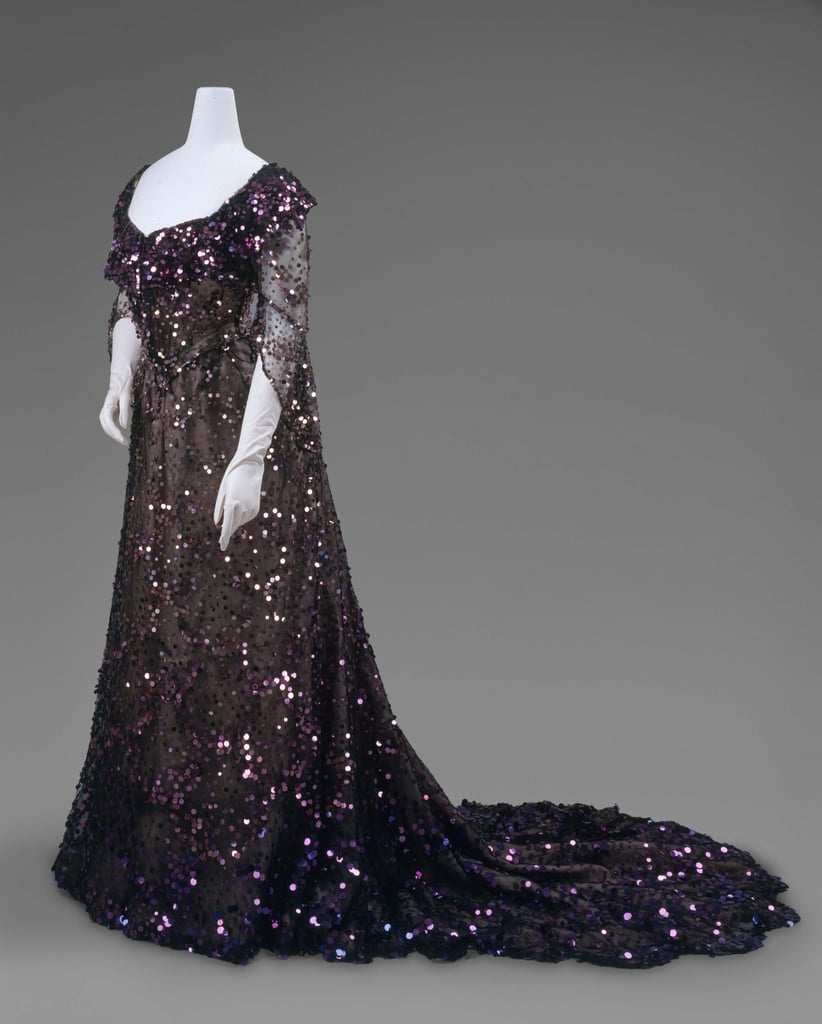
The exhibit, the first Fall showcase in seven years, explores the aesthetic development and cultural implications of mourning fashions of the 19th and 20th centuries. Thirty ensembles, many of which will be on display for the first time, and assorted artifacts reveal the impact of high-fashion standards on bereavement rituals as they evolved over a century.
"The veiled widow could elicit sympathy as well as predatory male advances," said curator Harold Koda, referencing how such fashions caused unique ethical and cultural implications. "As a woman of sexual experience without marital constraints, she was often imagined as a potential threat to the social order."
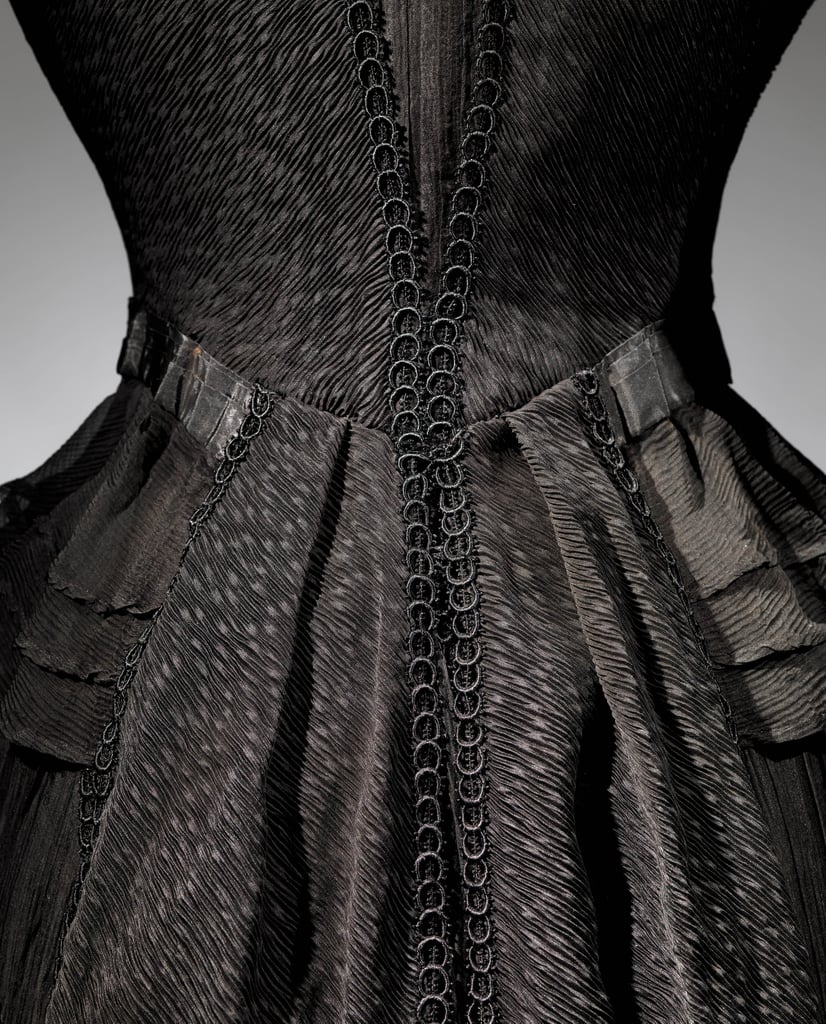
And as for all that black, the exhibit will show the progression of appropriate fabrics from mourning crepe — a stiff silk gauze — to corded silks, and the later introduction of color with shades of gray and mauve.
"Elaborate standards of mourning set by royalty spread across class lines via fashion magazines," said assistant curator Jessica Regan. "The prescribed clothing was readily available for purchase through mourning 'warehouses.'"
The exhibit opens on Oct. 21 and will run until Feb. 1, 2015, with a special evening Halloween event.
Death Becomes Her
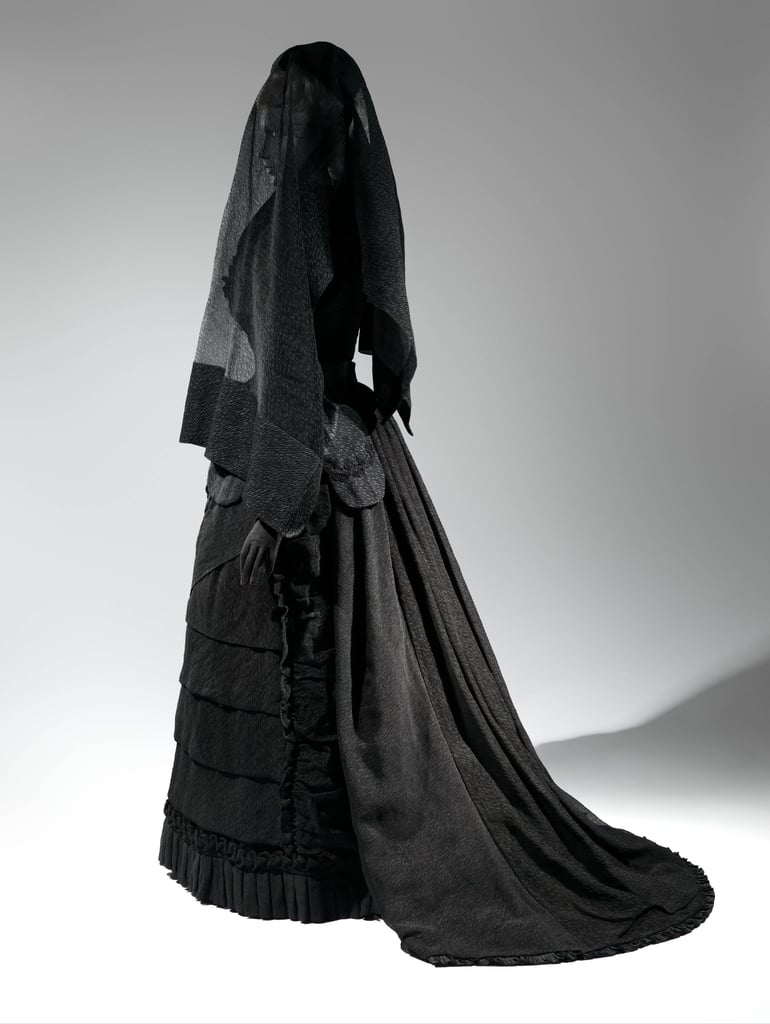
Death Becomes Her
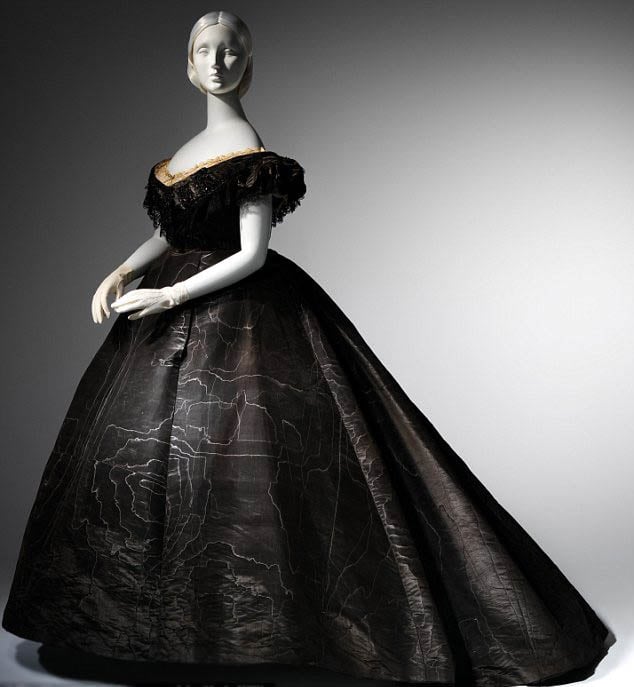
Death Becomes Her
Death Becomes Her
Death Becomes Her
Death Becomes Her
Death Becomes Her
Death Becomes Her