
Feel Empowered With This Self-Care Period Kit
Feel Empowered During Your Next Period With This Self-Care Kit

Let's be real: a period is no one's favorite time of the month. The menstruating body is going through a lot of sudden changes — many of which you might have forgotten since your high school health class. However, understanding what's really going on in your body can be beneficial. Whether you or someone close to you has a menstrual cycle, everyone can be a bit more educated and fully prepared every 28 days.
To get more knowledgeable about what really happens in the body, we asked board-certified obstetrics and gynecology physician Dr. Tosin Odunsi to explain all the ways menstruating bodies shift — physically and emotionally — during their periods. Check out Dr. Odunsi's suggestions for best period practices so you're ready for the next crimson tide.

Whether you know it or not, your body begins to shift long before your period begins. The official term is called premenstrual syndrome, which is more commonly known as PMS. Research notes that PMS can start as early as two weeks prior and looks different in everyone.
As Dr. Odunsi explains, emotional changes include but aren't limited to irritable and anxious moods, inconsistencies in your sleep cycle, and fluctuations in your sex drive. Physically, symptoms can range from headaches, breast tenderness, and appetite changes to more visible changes like bloating, weight gain, and changes on the skin.
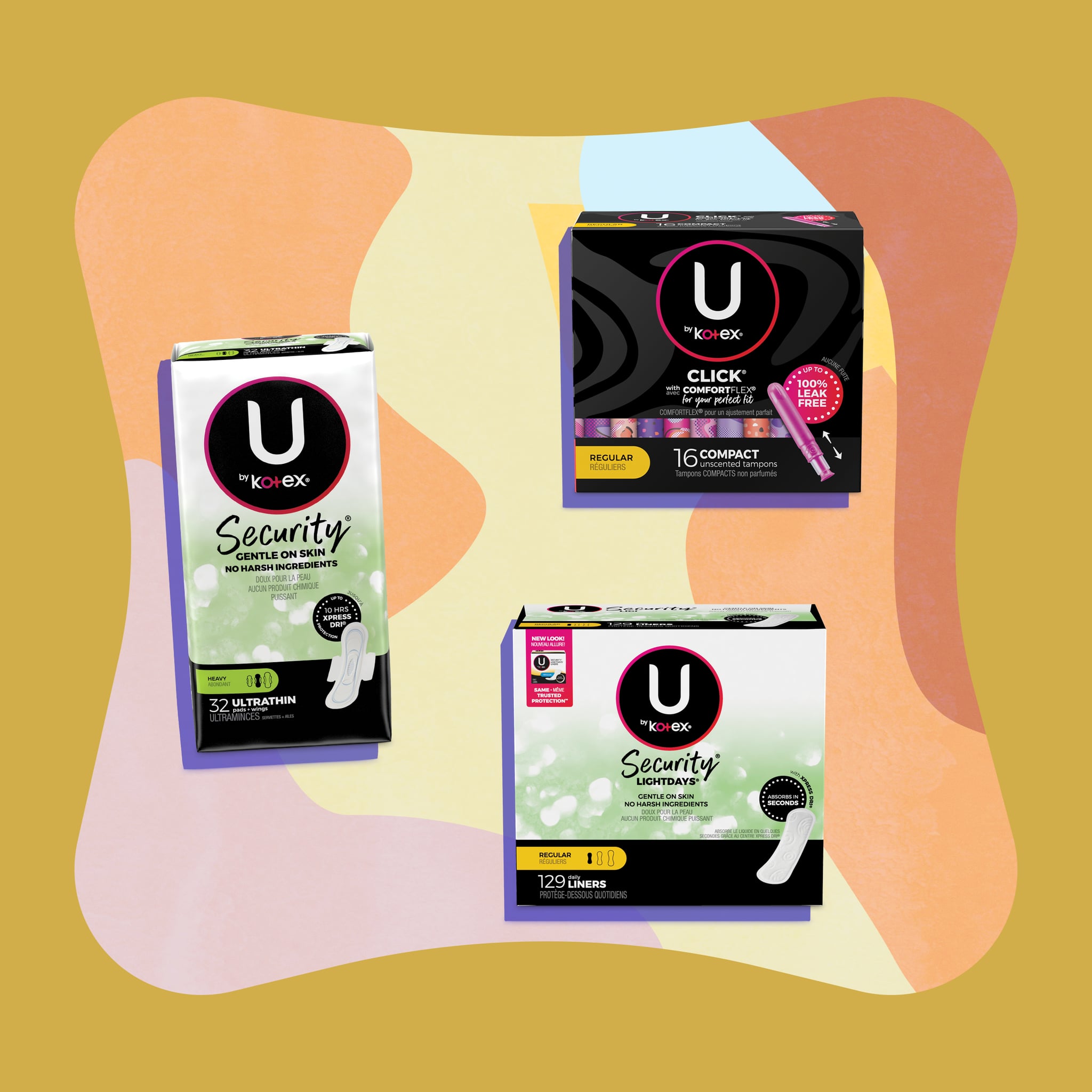
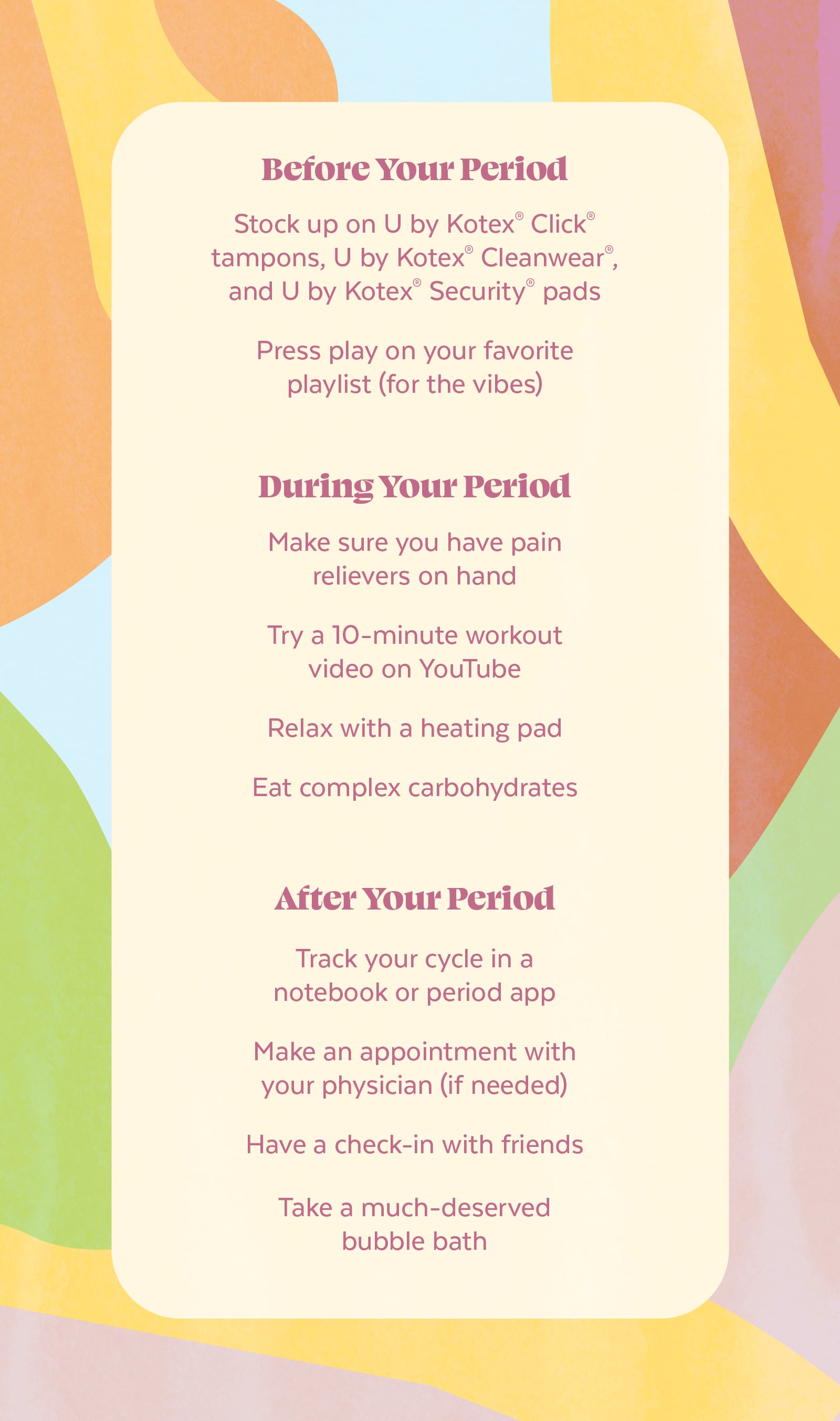
Symptoms of PMS are a telltale sign your period might be on its way, so you'll want to stock up on supplies. Save your favorite jeans by stopping by Walmart to grab a box of U by Kotex® Click® tampons that you can keep with you at all times. The tampons are so compact that you won't even notice they're in your bag. Plus they're designed with comfort in mind, so no matter what you're doing, when it's time to pop one in, it won't disrupt your day. While you're at it, make sure you're stocked up on U by Kotex® Cleanwear® and Security® pads, which provide up to 100-percent leak-free protection with Xpress DRI® technology. Basically, check all your bases so you're not caught slipping.

Outside of checking the back of your pants for redness for an average of six to seven days, cramps are one of the worst parts of periods. In fact, only a few years ago did doctors finally acknowledge that menstrual cramps — which are caused by strong uterine contractions depriving the uterus of oxygen through the blood — can be as painful as heart attacks.
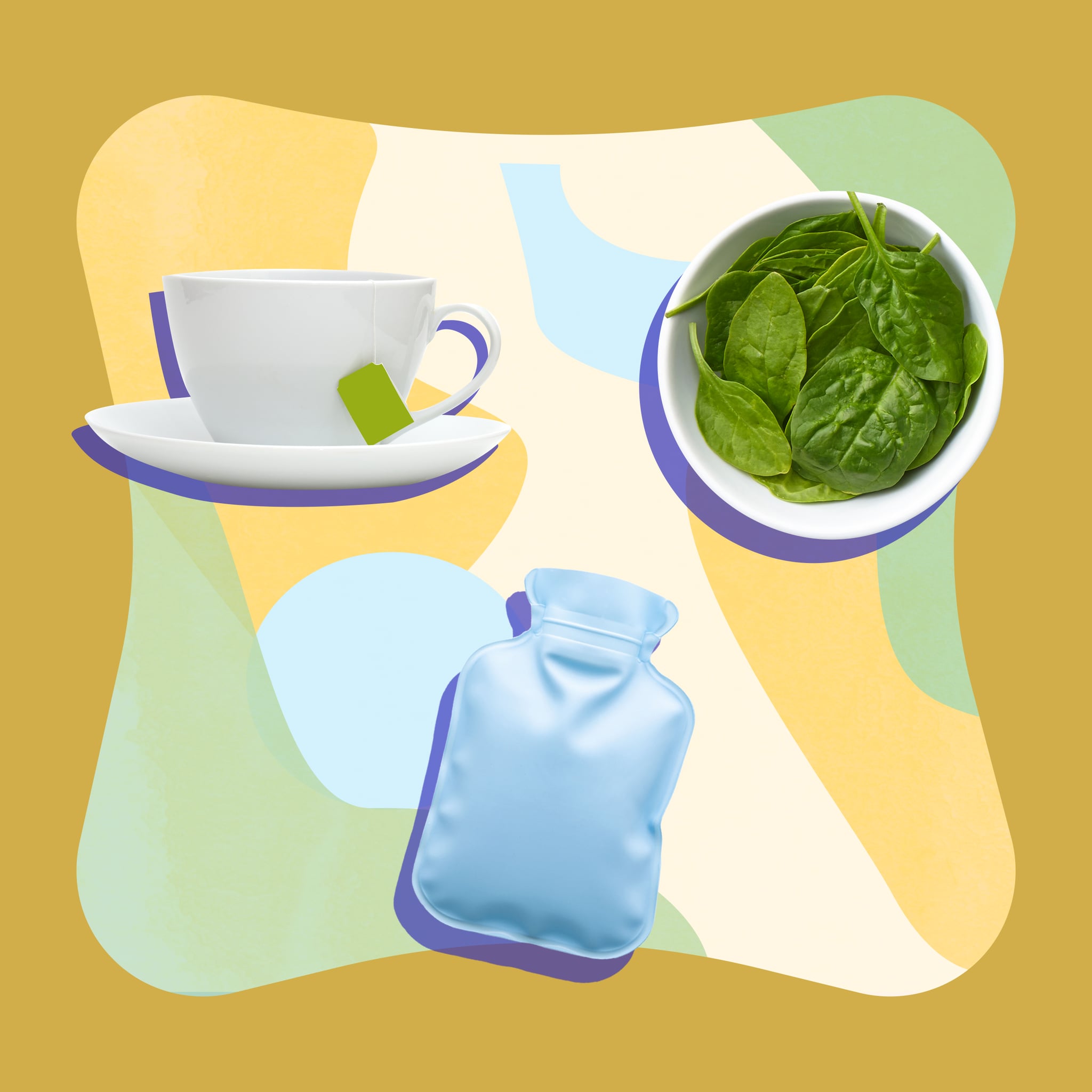
To help lower the impact of cramps, "I recommend starting to take a pain reliever one to two days before your period and continue through the first two to three days of bleeding," Dr. Odunsi says. Exercising and having a heating pad on hand to promote blood flow to the uterus are also solid tips for keeping the contractions and pain to a minimum. However, if painkillers (such as ibuprofen) don't help, consulting with a physician may be the next course of action.
When you have a handle on the pain, you'll also want to focus on what you're putting into your body. Dr. Odunsi shares, "Eating a diet rich in complex carbohydrates may reduce mood symptoms and food cravings." These complex carbs can include wheat bread, pasta, beans, lentils, and your favorite cereals. You can also add in calcium-rich foods (yogurt and leafy green vegetables) while keeping your fat, sugar, caffeine, and alcohol intake to a minimum.


Once your period is finally over, you can do a little aftercare and check in with yourself. "A good practice to do at the end of the menstrual cycle is to log the first and last day of bleeding," Dr. Odunsi recommends. Track any irregularities, such as a heavier flow or extremely painful cramps, and report anything not normal to your body to your physician. Keeping an eye on any changes in your period can help detect any early signs of a serious health issue.
"Additionally, I recommend stocking up on supplies for the next period," Dr. Odunsi says. Your shopping list for your next Walmart visit should also include U by Kotex® Security® Liners just for any spotting after your period. And while spotting is completely normal, Dr. Odunsi recommends paying attention to signs that there may be underlying health issues going on; these could include your period lasting longer than usual or having to use multiple tampons or pads in a short period of time. If either is the case, she suggests consulting with your doctor immediately.
Dr. Odunsi also suggests talking to others about your period. Talking about it will help the topic feel less taboo and allow you to take control of the conversation. "We need just as much community around our period as any other area of our life," she explains. "I recommend talking about it with other trusted menstruating people in your life."

Shop the Essentials from U by Kotex®
Design: Mia Coleman
© KCWW