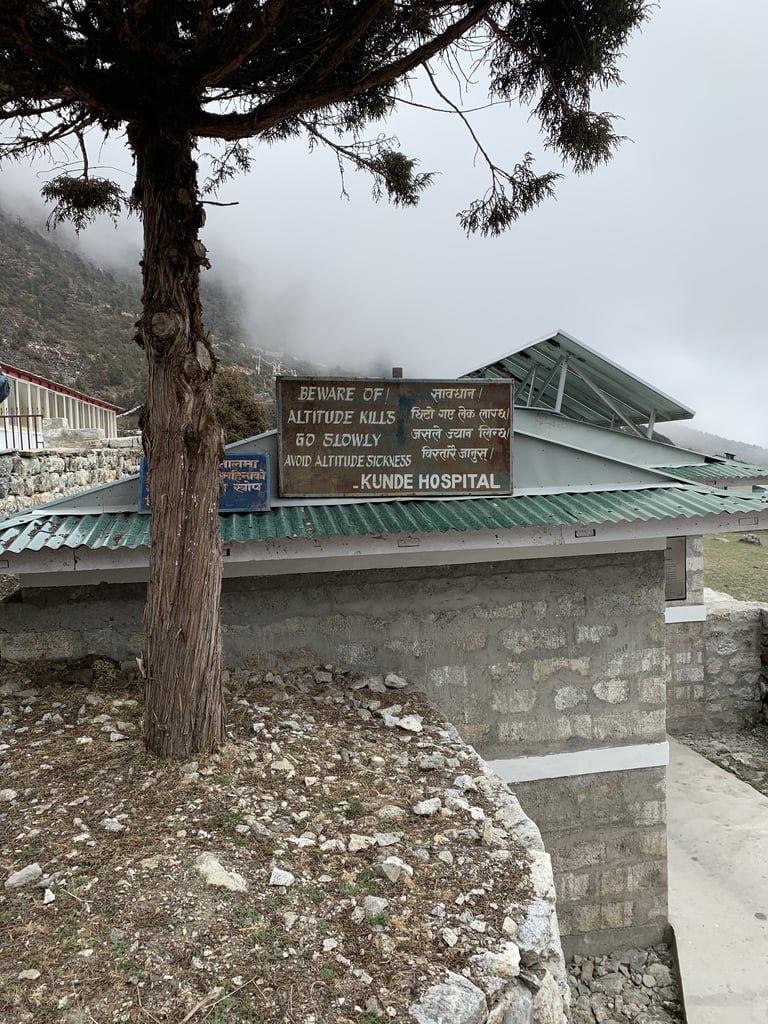
The thought of getting altitude sickness on the trail was the thing that scared me the most. I was so afraid I wouldn't be able to finish the trek and would have to turn around and go down due to illness. While altitude sickness is common, you can take steps to reduce your risk (or manage your symptoms if you do get it). Symptoms include headache, nausea and vomiting, loss of appetite, shortness of breath, fatigue, dizziness, and difficulty sleeping. It's so important to drink a lot of water (between five to six liters every day), eat properly, and rest. Our group also took Diamox on the way up (it was recommended by our doctors as well as doctors we spoke to on the mountain), which helps reduce your risk of getting altitude sickness.
The most important thing is to just listen to your body. This might mean staying behind for an extra rest day or, worst case scenario, turning around and going back down the mountain if your symptoms don't improve. The worst thing you can do is continue to go up if you're really not feeling well. That can result in altitude sickness progressing into something more serious, like HAPE (high altitude pulmonary edema), a buildup of fluid in the lungs, or HACE (high altitude cerebral edema), when there's fluid in the brain, which are both life-threatening.