Glow in the Dark Makeup
Is Your Halloween Glow-in-the-Dark Makeup Actually Ruining Your Skin?

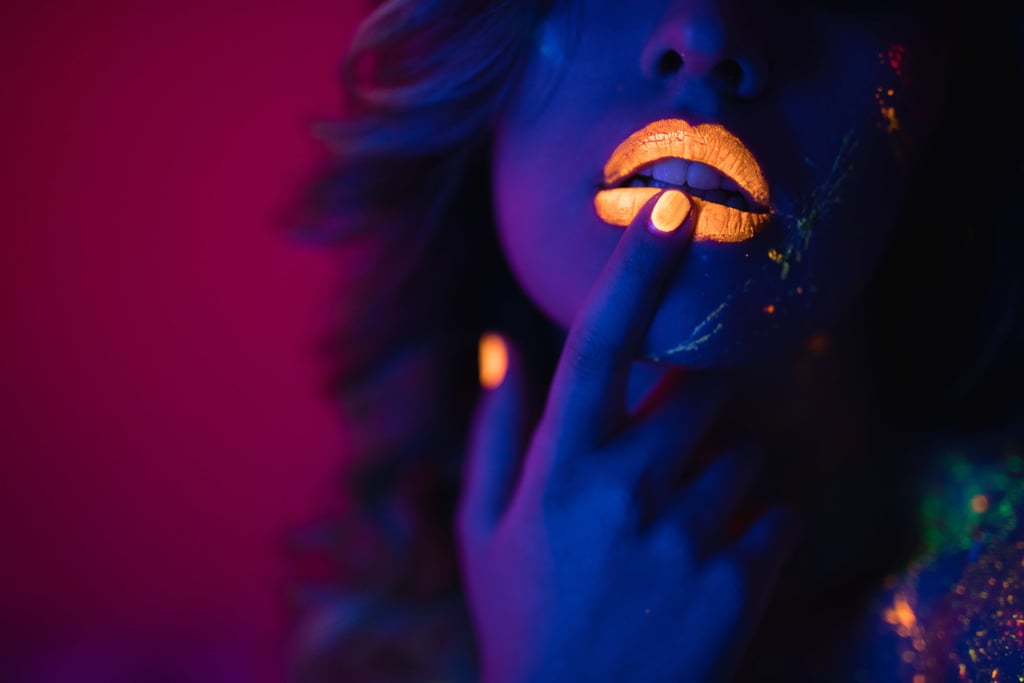
Anyone who's ever experienced that surge of excitement every time the lights went off on Room Raiders knows: things are infinitely more fun when they glow in the dark — including makeup. (Though that certainly won't be what motivates you to wash your sheets.)
The only problem? It ranks right up there with Halloween's other biggest joys — eating cauldrons of Kit Kats and guzzling down a bunch of zombie punches, obviously — in that it can do a number on your skin, especially if it's sensitive. "In Halloween makeup, there are two types of glow effects: fluorescent and luminescent," dermatologist Dr. Sejal Shah, MD, said. The former is what you might think of when you see neon or "day glow" products, she says, which can contain a number of additives that can cause reactions. The worst offender, though, is luminescent cosmetics, since there is only one ingredient FDA-approved for limited topical use (more on that later).
"The other issue with glow-in-the-dark makeup is that these are often comedogenic, meaning they have the potential to worsen acne-prone skin," added dermatologist Dr. Curtis Asbury, MD. Before you grab your black light, here's everything you need to know about the stuff — because getting lit on Halloween only works if you don't feel the burn on your face.
The Lowdown on Glow-in-the-Dark Makeup
What to Know Before You Glow
How — and When — to Take It Off
Biore Baking Soda Cleansing Micellar Water Facial Cleanser

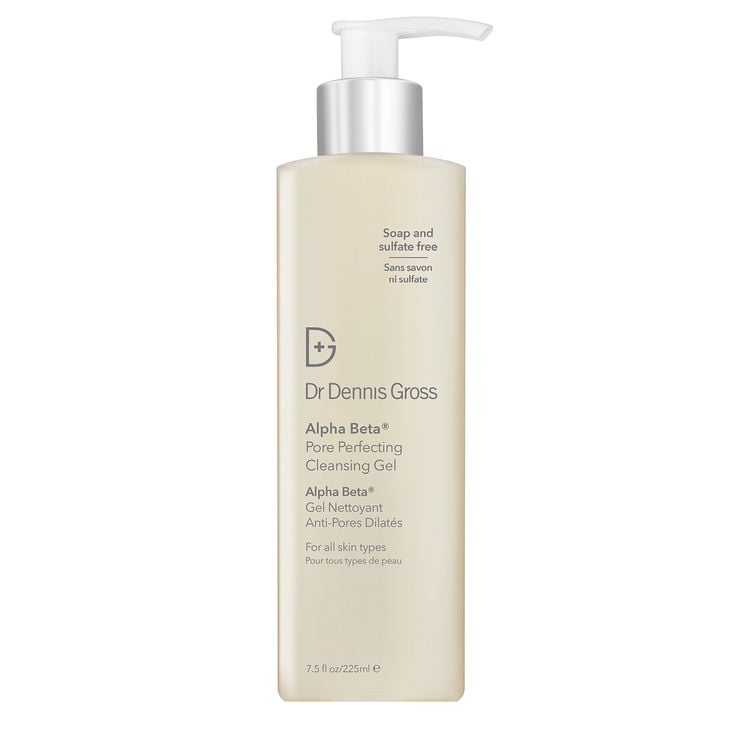
Dr. Dennis Gross Skincare Alpha Beta Pore Perfecting Cleansing Gel
What to Use Instead
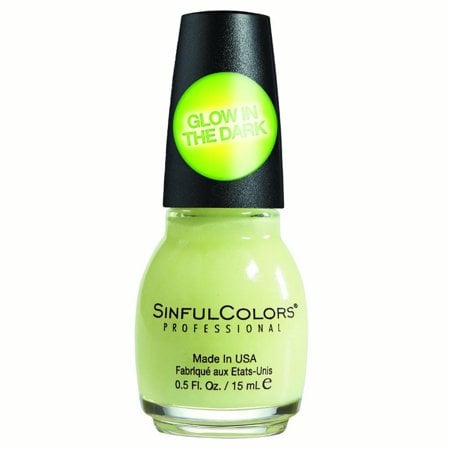
Sinful Colors Professional Nail Polish Glow in the Dark
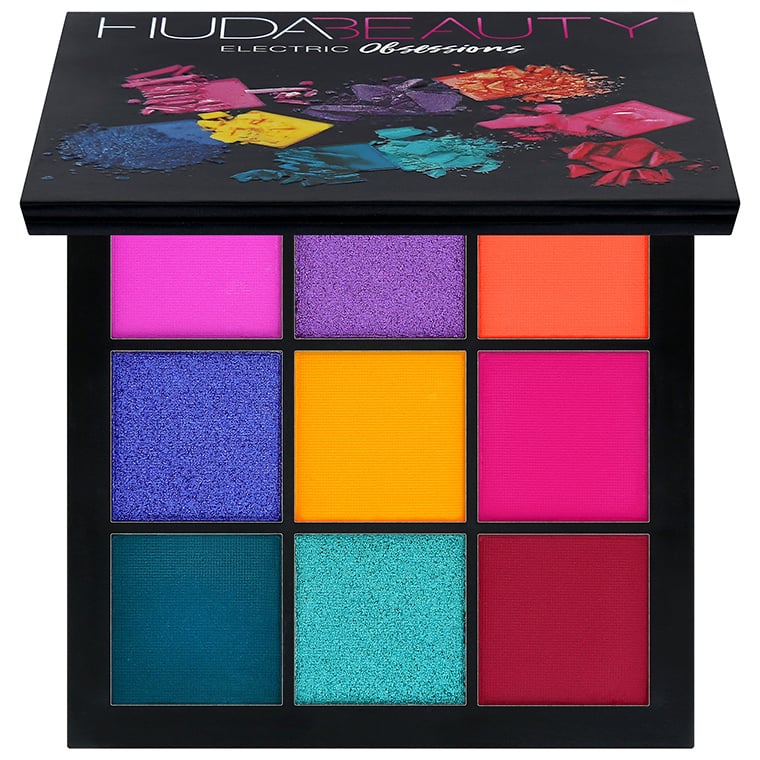
Huda Beauty Obsessions Eyeshadow Palette
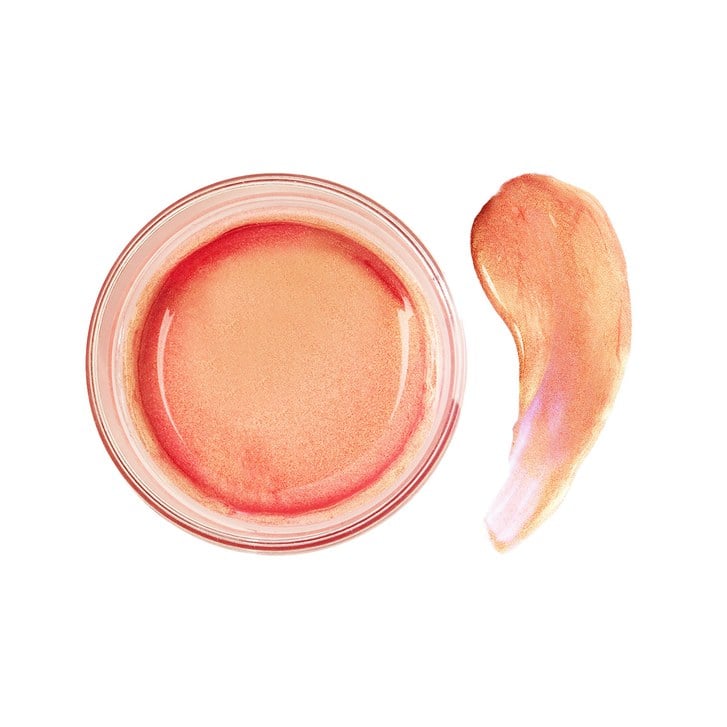
Inc.credible You Glow Girl Iridescent Jelly
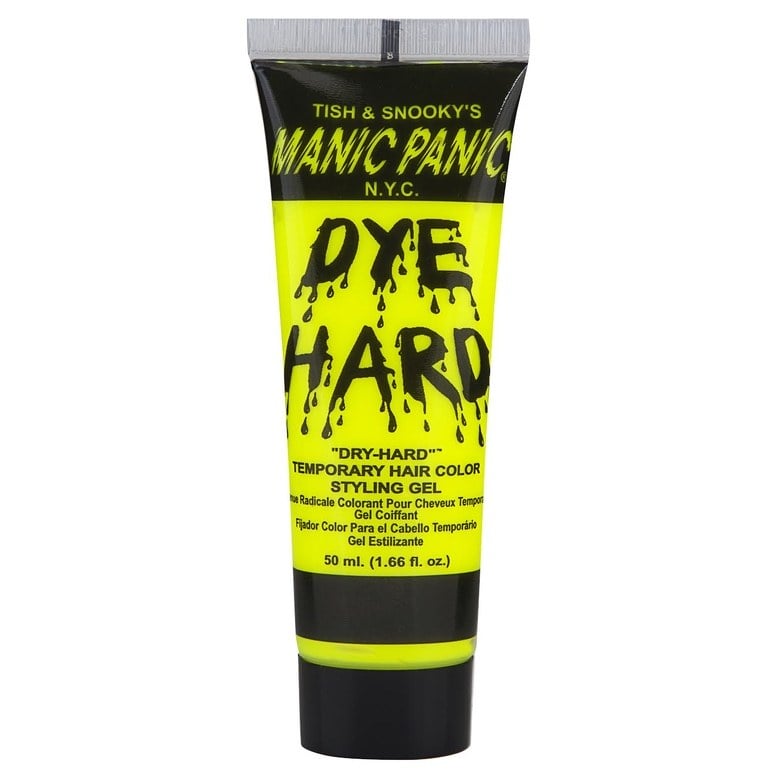
Manic Panic Dye Hard Temporary Hair Color Gel