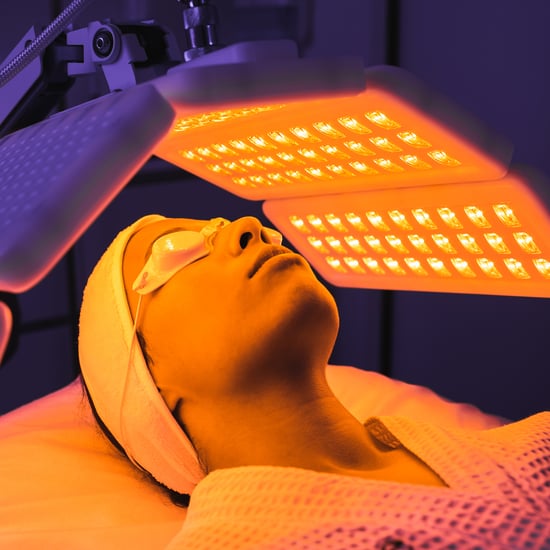
What is Clear & Brilliant?
Laser Treatment: Clear & Brilliant
Best For: skin tone and texture, sun damage, enlarged pores
Downtime: flushed skin and sandpaper texture for up to a week
A non-ablative laser, the Clear & Brilliant treatment is a popular option because it has barely any downtime. "Most people are pink for a few hours, followed by feeling a sandpapery quality of the skin for 3 to 4 days," Dr. Herrmann says. That said, though you will see results after just one treatment, for more dramatic results (and for general upkeep) you may want to do multiple rounds.
So how does it work? "Clear & Brilliant stimulates collagen and exfoliates the outer layer of skin by placing thousands of tiny little columns of heat into the skin to gently stimulate it for a healthy glow," says Dr. Elizabeth Tanzi.
Some of the benefits of Clear & Brilliant include improvement in skin tone and texture, reduction of fine lines and wrinkles, and decreased hyperpigmentation. It also helps to reduce the appearance of pores and makes skin generally more radiant. With each treatment, collagen production is stimulated, so results only get better over time.
Dr. Diane Berson offers this tip: "It's great for maintenance . . . but it's also a good option for younger patients with early signs of sun damage who want to begin an anti-aging protocol." For the best results, have it performed once every four to six weeks for the first four treatments. After that it can be used as maintenance two to three times a year to maintain a healthy glow.
As far as the experience goes, Clear & Brilliant is not as uncomfortable as a CO2 laser, but a numbing cream still is applied about 15 minutes beforehand. Minor post-treatment side effects include a bit of redness and sandpapery feeling skin for up to a week. It is safe to use on all skin types, but as with any laser treatment that generates heat, those with darker tones or prone to melasma should be careful. "If a patient has darker skin and melasma, I might try peels first because this type of treatment could make stubborn melasma worse," Dr. Berson notes.