Mix: Vitamin C and Ferulic Acid
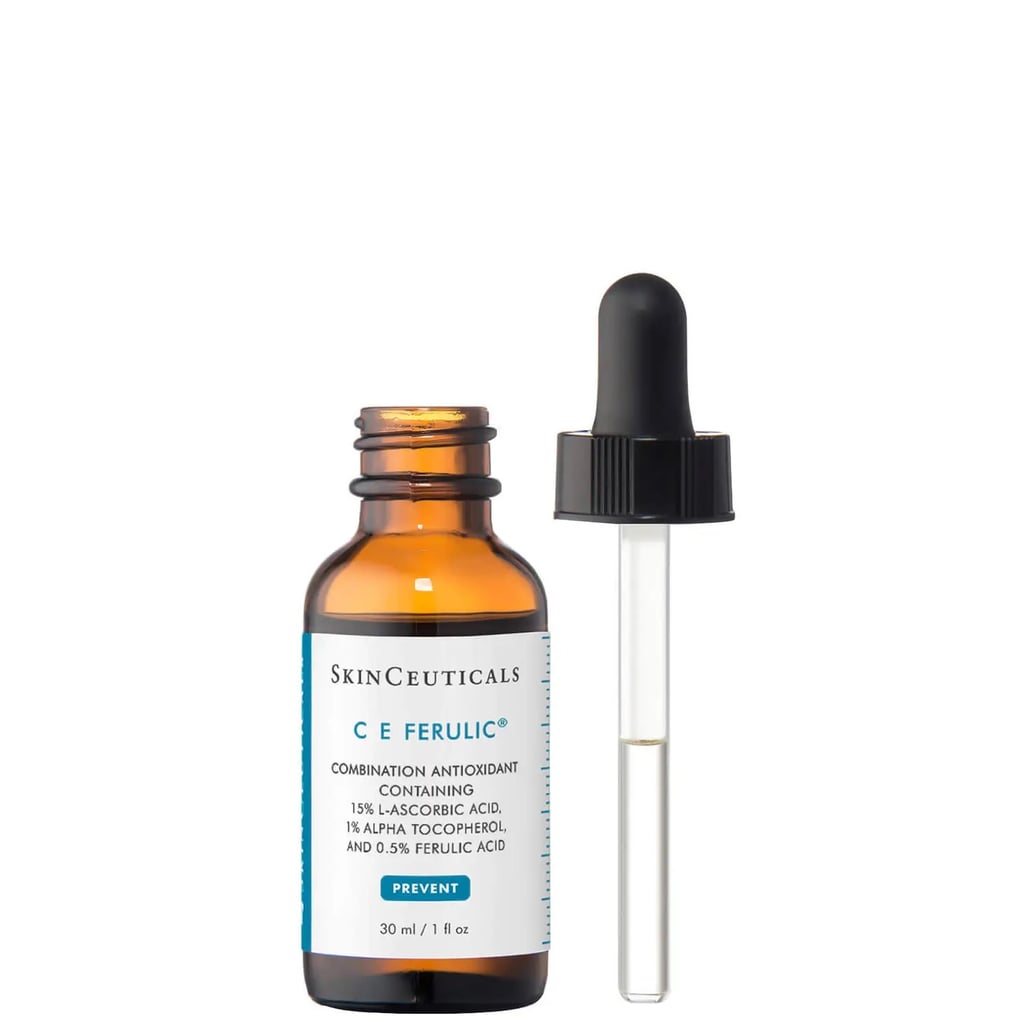
Vitamin C is a potent antioxidant that improves fine lines and wrinkles and helps to eliminate unwanted hyperpigmentation. This antioxidant becomes even more powerful when it is combined with glutathione and ferulic acid, says Dr. Imahiyerobo-Ip. One of the top serums that combines these two ingredients is SkinCeuticals C E Ferulic Combination Antioxidant Treatment ($182). It synergistically mixes 15 percent pure vitamin C (L-ascorbic acid), 0.5 percent ferulic acid, and one percent vitamin E, which serve together as an environmental shield and anti-aging armor for your skin.
Mix: Vitamins C and E
Since both of these vitamins are antioxidants, they become even more powerful at protecting your skin from free radicals in the environment and reducing signs of aging when combined. So, basically, when you use them both, along with a broad-spectrum sunscreen, you're giving your skin the most optimal shield against the sun and, inevitably, the wrinkles that come along with UV exposure.
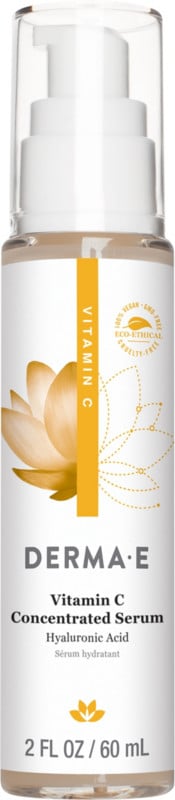
If you're looking for a treatment that combines vitamins C and E, try the Derma E Vitamin C Concentrated Serum ($25).
Word to the wise: never start pairing immediately, no matter which product combinations you're using. "Always allow your skin to adjust to one product for at least a week before you add on a second product to prevent any confusion about potential allergic reaction should you experience one," Rachel Nazarian, MD, a dermatologist at Schweiger Dermatology Group in New York City, says. "It's slightly more relevant for those with sensitive skin who are more prone to develop allergies to products, but it can happen to anyone, so expose your skin to one product at a time."
If your skin starts to react badly, you'll know which product was the most likely culprit. She suggested that those with dry skin avoid exfoliative and acidic pairings, which can cause worsening of dryness, and focus more on gentle antioxidant regimens and moisturizers or oil-based products. People with more oily or acne-prone skin can handle most regimens, but are better suited toward products containing salicylic acid and vitamin A, which help decrease oil-gland production.
Jenn Sinrich is a freelance writer, editor, and content strategist in NYC. Her work can be found in PS, Women's Health, SELF, Reader's Digest, Health, PureWow, and more.