2018 is the year of the mermaid. That's why we've partnered with Freeform to share the craziest facts about the supernatural creature who takes center stage in the thrilling new series Siren. Don't miss new episodes Thursdays at 8/7c!
Mermaids have been a force of nature this year, influencing food and beauty trends, from aqua-inspired drinks to lavender-colored hair. However, the history of the mermaid myth is much more thrilling than you'd ever guess. In honor of International Mermaid Day and tonight's premiere of Freeform's Siren, we've rounded up the shocking details behind 2018's most enigmatic mythical creature.
From Scottish selkies to Irish merrows, mermaids aren't immune to homesickness. Despite spending significant spans of time on land, mermaids often find themselves called back to the comfort of the water. After all, who wouldn't love to spend their days diving for treasure and swimming alongside dolphins?
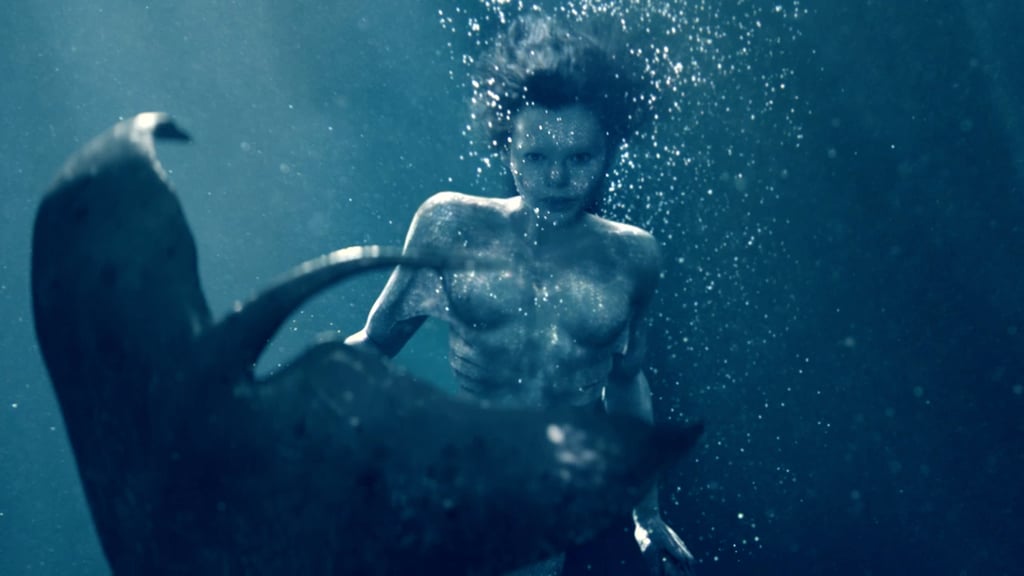
Considered an early version of the modern mermaid, sirens were described in Greek lore as human-bird hybrids who inhabited the ocean. Legend has it that sirens would lay in wait for crews of unsuspecting mariners to pass by, then cause catastrophic damage by spellbinding the seafarers with their melodies. Siren's Ryn happens to share this power, but whether or not she'll use it to captivate marine biologist Ben remains to be seen. This is one supernatural skill that's truly powerful!
2 / 8
Encounters With Mermaids Often Spell Trouble For Mortals

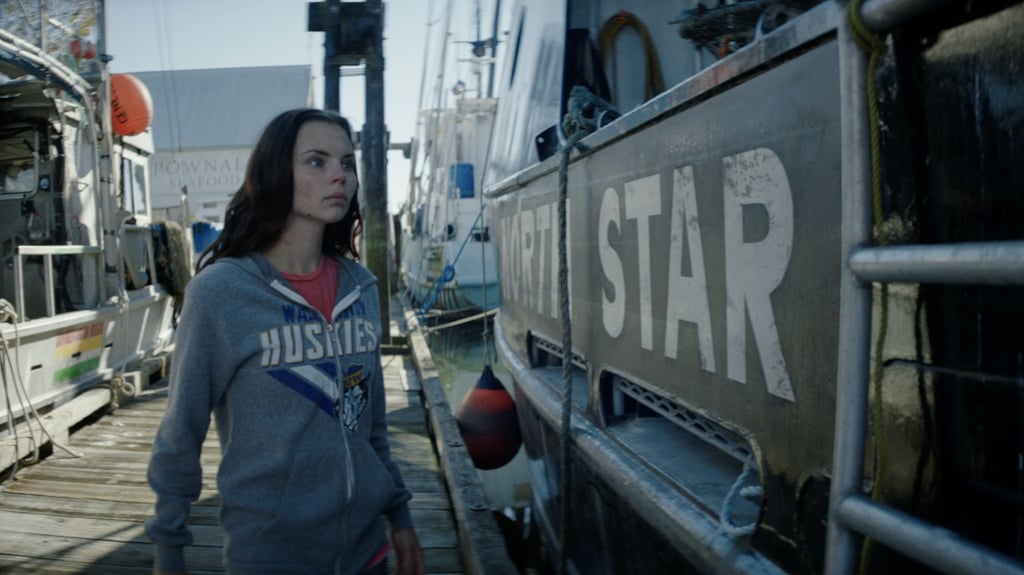
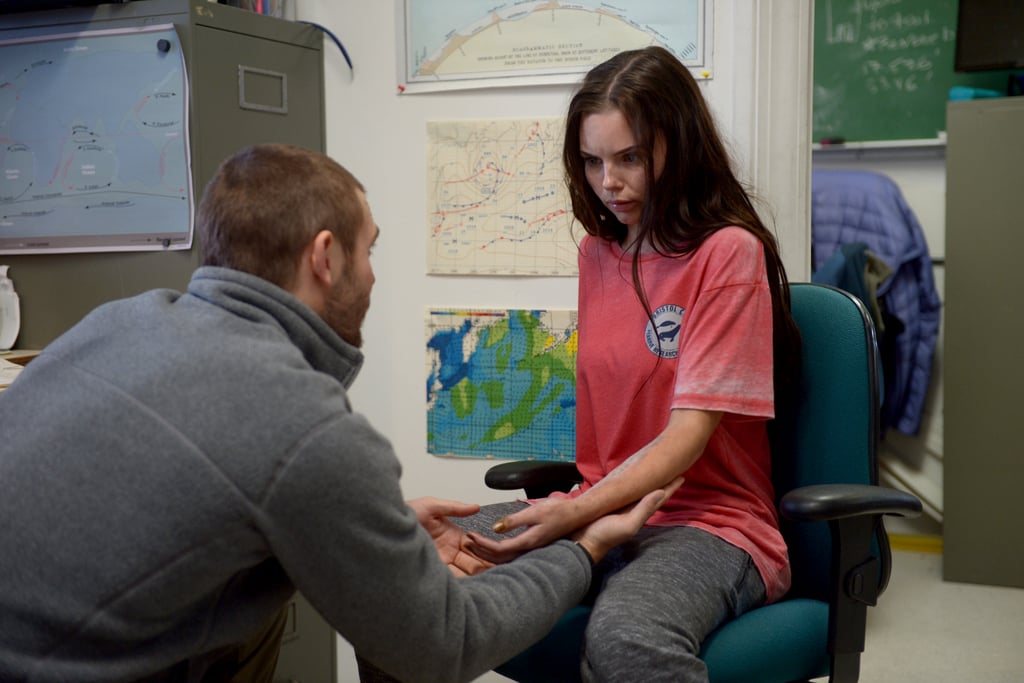
The mermaids of pop culture may be considered beings of light and joy, but ancient folklore advises against associating with the conniving creatures. Slavic Rusalki, for example, were rumored to target men with ballads that ultimately led to their demise. Ryn's initial interactions with Ben and marine biologist Maddie unbalance the delicate equilibrium of the town, but whether or not she'll take the small community by storm is unclear.
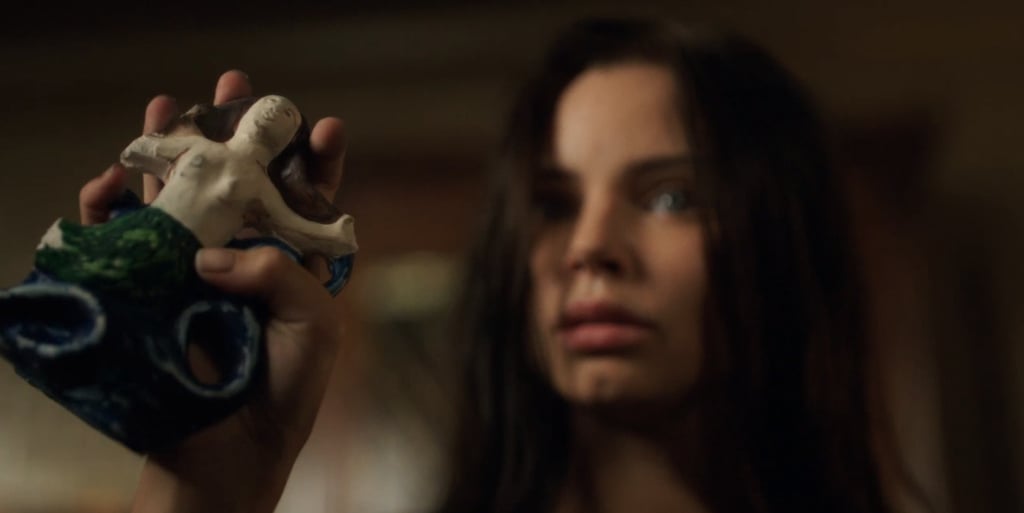
Syrian historical texts have their own version of a mermaid legend: Atargatis. The so-called "fish goddess" achieved her aquatic form after the fallout from a relationship with a younger mortal when she dove into a nearby body of water in disgrace. That post-breakup decision to cut bangs doesn't seem quite as dramatic compared to choosing life as a supernatural aquatic creature!
4 / 8
They're Often Blamed For Disasters That Befall Mortals
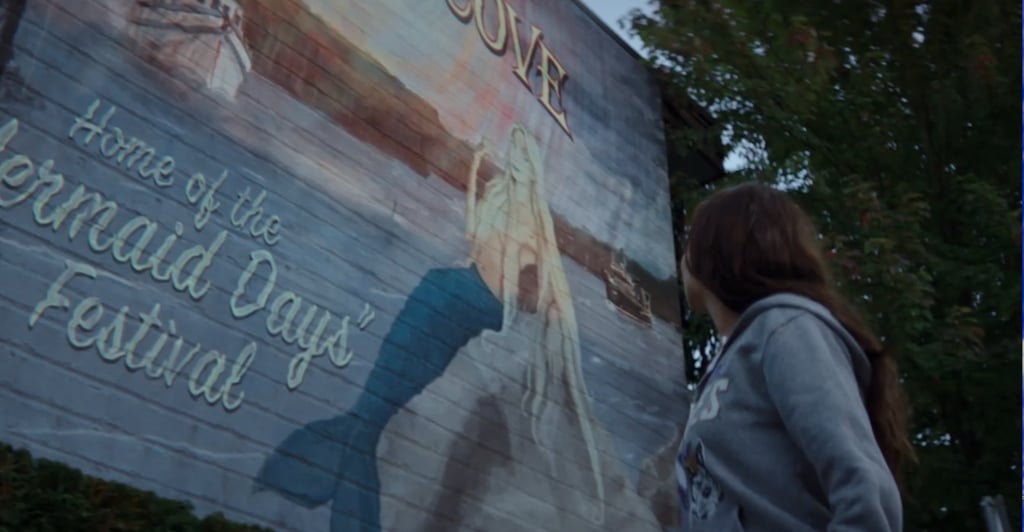
When a bout of rainy weather defeats your hiking plans or your boat is inexplicably damaged in the harbor, you may not think to curse a mermaid — but these mythical creatures are often considered to have quite a rap sheet! Both natural disasters and disappearances are considered the devilish work of mermaids, whether it be Brazil's Iara or Japan's ningyo. That Spring snowstorm? It may have been the work of a siren!
If you're not a fan of slithering snakes, you may be surprised to discover that many cultures historically considered mermaids to be serpentine sea creatures. Melusine, France's version of the classical mermaid, was cursed by her mother to sport a snake's tail once a week, while Iara, the Brazilian mermaid deity, was thought to be the embodiment of the snake spirit Mboiaçu.
Regardless of the shimmering, glamorous, pastel-tinted images you see blowing up your Instagram feed, mermaids were not always portrayed as alluring. Christopher Columbus disappointed countless mermaid fans in his native Italy when he revealed "they are not so beautiful as they are said to be, for their faces had some masculine traits." Historians later guessed that Columbus's "mermaids" were actually manatees — quite a departure from the captivating creatures blowing up your Instagram feed!