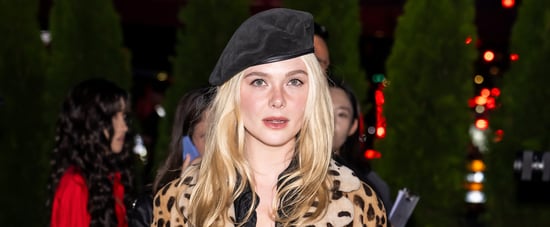
Yara Shahidi's Quotes in Elle Magazine August 2020
Yara Shahidi Discusses the Value of Black Joy and "Handing Over the Mic" to Empower Others

![On the nuances of trauma within the Black community: "Especially in these moments of communal trauma, what has become apparent . . . is that these moments of trauma aren't just in these times that are visible. Having to arm oneself consistently with that level of self-protection; not knowing if your peers or colleagues will be there and will support you. Or if they understand microaggressions; if they understand the way that we're consistently being undermined, both in small and in major ways. In ways that can be an inconvenience, and in ways that can be life-threatening."
On supporting diversity and inclusion in television: "I think about my Black and brown communities. I think about my figurative aunties and uncles in this, who supported more nuanced narratives with people and used their platform for good. I think the difference [in the past] was a lot of work was pretty quiet and there wasn't as much of a public narrative around it, but the work was still being done. And so I think when I stepped into the space of being a series regular on a show, I was already involved in a cast, but also in a larger Black entertainment community that was consistently reckoning with questions like, 'What is our role on television? What are the obligations we need our networks to make? And what are the environments that we need to live in to consistently make sure that we are responsible with our media?' I think about so many people that I'm grateful to be in a community with; we may not know at first glance, but I can attest to the fact that they're doing the work 24/7, 100 percent of the time, with whatever their platform is."](https://media1.popsugar-assets.com/files/thumbor/sjvl1OXbnHx98_FnrOJfeKlVh_U/fit-in/1024x1024/filters:format_auto-!!-:strip_icc-!!-/2020/07/15/610/n/1922398/5c8e4fc93249407e_ELM090120YaraShahidi010-logo/i/On-nuances-trauma-within-Black-community-Especially-in.jpg "On the nuances of trauma within the Black community: \"Especially in these moments of communal trauma, what has become apparent . . . is that these moments of trauma aren't just in these times that are visible. Having to arm oneself consistently with that level of self-protection; not knowing if your peers or colleagues will be there and will support you. Or if they understand microaggressions; if they understand the way that we're consistently being undermined, both in small and in major ways. In ways that can be an inconvenience, and in ways that can be life-threatening.\"
On supporting diversity and inclusion in television: \"I think about my Black and brown communities. I think about my figurative aunties and uncles in this, who supported more nuanced narratives with people and used their platform for good. I think the difference [in the past] was a lot of work was pretty quiet and there wasn't as much of a public narrative around it, but the work was still being done. And so I think when I stepped into the space of being a series regular on a show, I was already involved in a cast, but also in a larger Black entertainment community that was consistently reckoning with questions like, 'What is our role on television? What are the obligations we need our networks to make? And what are the environments that we need to live in to consistently make sure that we are responsible with our media?' I think about so many people that I'm grateful to be in a community with; we may not know at first glance, but I can attest to the fact that they're doing the work 24/7, 100 percent of the time, with whatever their platform is.\"")
3