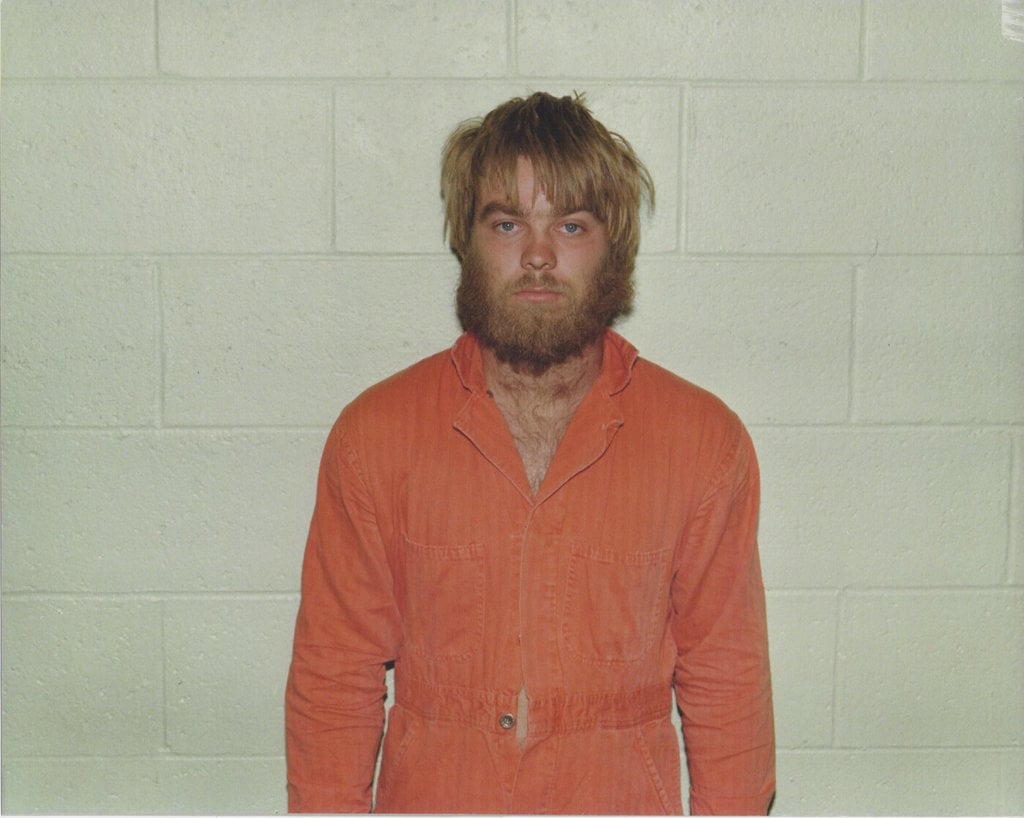
In what might be the antithesis to The Jinx, Netflix's frustrating 10-episode documentary series Making a Murderer goes to show just how hard the government can screw you if you're poor or disadvantaged in any way. The show follows the life and alleged crimes of Steven Avery, who spent almost two decades behind bars for a crime he didn't commit. He filed a multimillion-dollar suit against Manitowoc County in Wisconsin when evidence was revealed that proved another man committed the crime. Years later, he landed back in prison, along with his 16-year-old nephew Brendan Dassey, after being found guilty of the murder of 25-year-old Teresa Halbach.
During a phone call with his parents from jail in an earlier episode, Avery says, "Poor people lose. Poor people lose all the time," which, if we're being honest here, bleakly sums up the entire series. Putting aside the question of whether Avery committed the crime, it's obvious that the police department of Manitowoc County gravely mishandled Avery's case, taking advantage of Avery's poverty, his nephew Brandon Dassey's mental state, and the fact that they knew they could get away with putting a man in prison, innocent or not, just because they wanted to. Regardless, the success of the show ignited a nationwide debate about the justice system and has led to possible progress in the case. Fans started petitions at Change.org and the White House's official page to get Avery a presidential pardon, and although it was unsuccessful, Avery was able to file a motion for a new trial on Jan. 12.