There are some experiences people only fully understand once they've gone through them. Bullying is one of them. From the outside, it can seem easy to spot. Surely someone would say something if things were getting bad, right? Surely a parent, teacher or friend would notice?
But bullying often exists in the quieter moments. In someone suddenly withdrawing a little. In them insisting they're "fine" because explaining what's happening feels embarrassing, exhausting or impossible. In the slow build-up of feeling isolated while everyone around you assumes things are okay.
For Hannah Blackburn, 24, from Tasmania, one of the hardest parts was how invisible everything felt. "When you're being bullied, you think and believe that maybe you deserve it, or that you're the problem," Blackburn says. "You feel small and very lonely even in a room full of people."
That feeling, of carrying something heavy while still trying to appear okay, is something a lot of people who've experienced bullying describe. And it's a huge part of why Do It For Dolly Day continues to resonate with so many Australians.
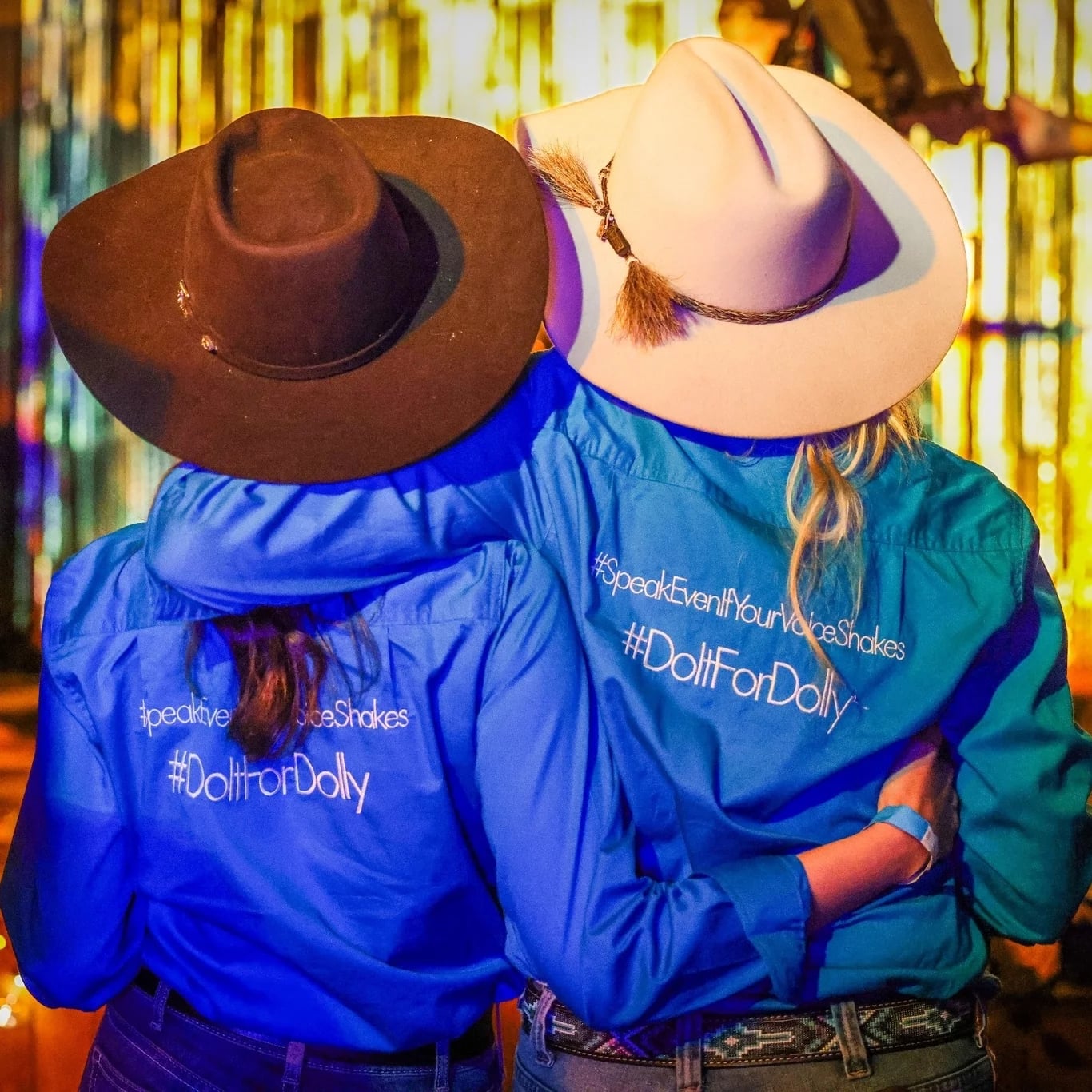
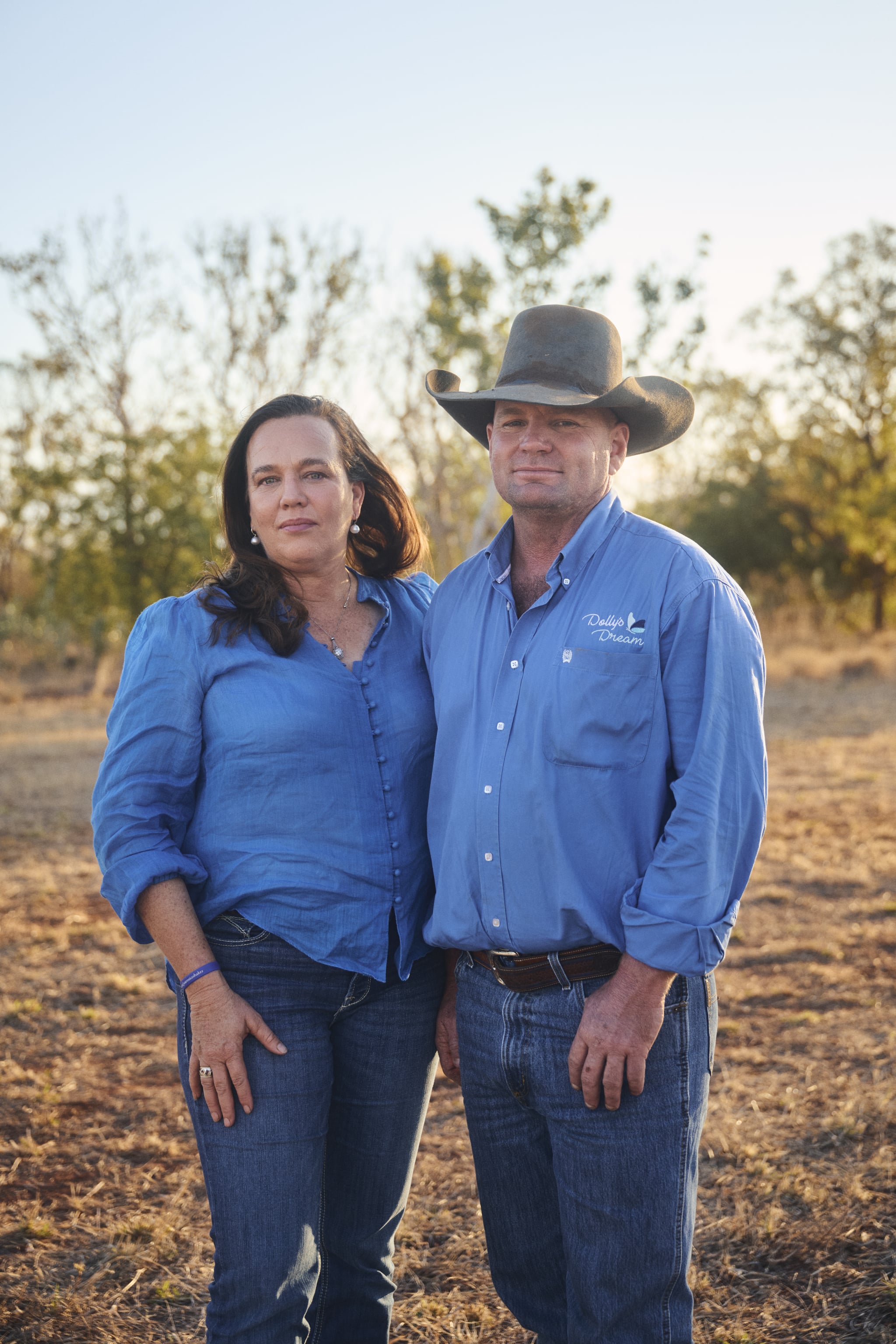
Every year, on May 8, people across the country are encouraged to go blue for Dolly's Dream's annual national day of action against bullying. The movement was started by NT parents Kate and Tick Everett in honour of their daughter Dolly, who tragically took her own life aged 14 after ongoing bullying.
Bullying Can Make You Feel Like You're the Problem
One thing that comes up repeatedly in conversations around bullying is how quickly people can internalise what's happening to them. Instead of thinking this shouldn't be happening, many people end up wondering if they somehow caused it.
For Blackburn, shame played a huge role in why she stayed quiet for so long. "A lot of it was shame. When you're being bullied, you think and believe that maybe you deserve it, or that you're the problem. You feel small and very lonely even in a room full of people. It's hard to say but it's very true."
That experience is something Sally Sweeney, Head of Dolly's Dream, says the organisation hears often from young people. "More than anything, young people want to be believed and for the bullying to stop," Sweeney says. "They want someone to take what they're going through seriously, without minimising it or suggesting they just ignore it."
Because while comments like "just ignore them" are usually intended to comfort someone, they can sometimes make things feel even worse. For Blackburn, phrases like "they're probably just jealous" or "you need to toughen up a bit" stayed with her. "Those things made me feel like I was the problem for not being able to handle it better."
Asking For Help Is Not Always Straightforward
There is often an assumption that if someone needs help, they will ask for it. But bullying does not always work like that. Sometimes people become very good at hiding what they're going through. Sometimes they say "I'm okay" because they don't know how else to explain things. Sometimes they genuinely believe nobody will understand.
Looking back, Blackburn says she wishes someone had pushed a little further. "I wish someone said 'I can see you aren't okay, I'm here to listen.'" That kind of support can make a huge difference, according to Sweeney. "Really, it's about feeling seen and heard," she says. "Knowing that someone else is noticing, already you are not alone." And often, that feeling of being less alone is what helps someone finally open up.
Small Things Can Mean More Than You Think
When people think about helping someone through bullying, they often imagine needing to say exactly the right thing. But sometimes, the moments people remember most are much smaller than that.
For Blackburn, it was a message a teacher wrote on her graduation bear in year 6. "The world is yours to change and enjoy." At the time, she says she did not fully understand what it meant. Years later, it still stays with her. "I know it means I can use my voice and tell my story. Help others and hopefully one day change the world."
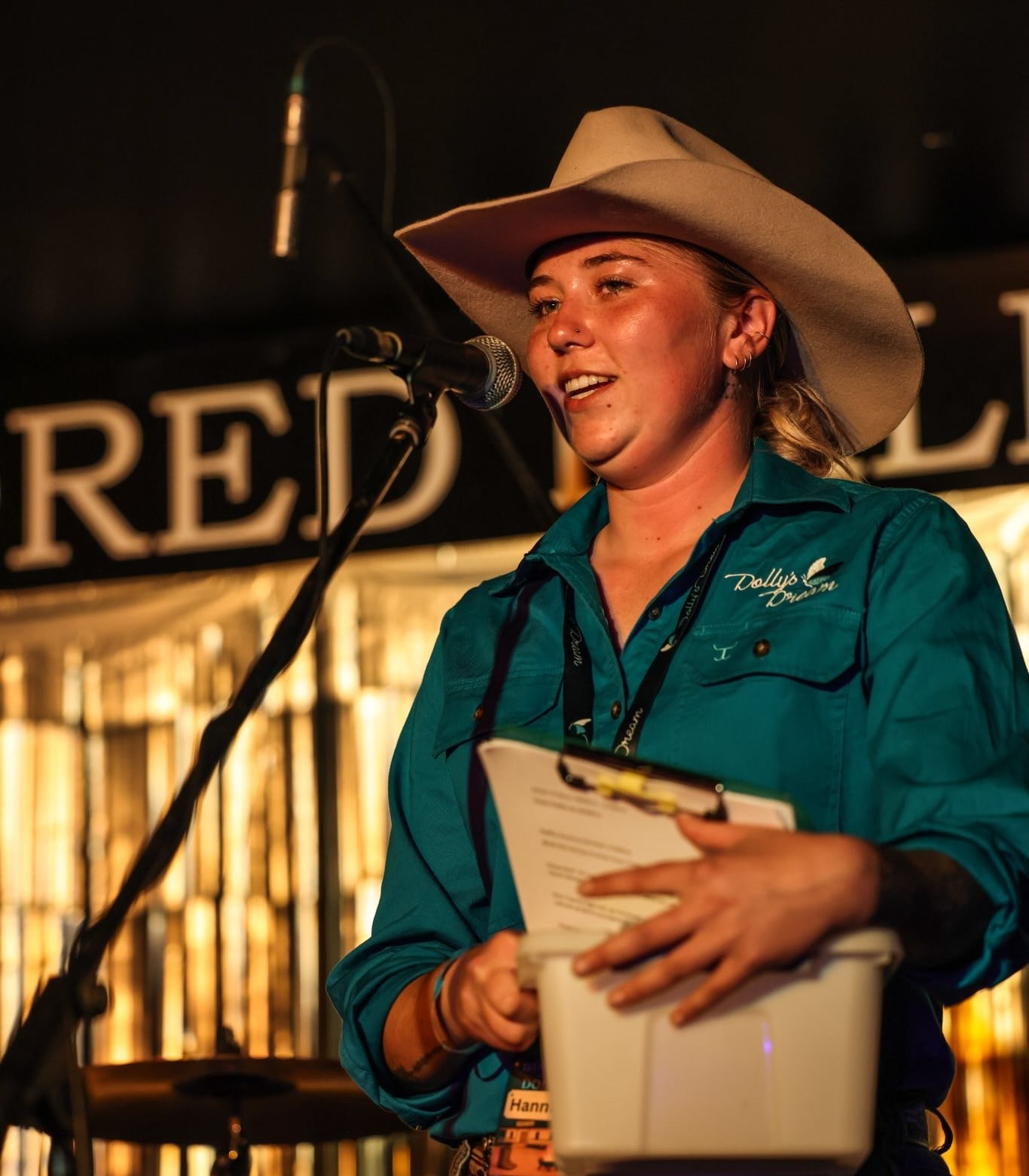
That feeling eventually inspired Blackburn to begin fundraising for Dolly's Dream herself. Last year, she organised a "Dancing for Dolly" event in Tasmania that raised $11,000 in one night. "It felt so great to do something proactive for such an important organisation like Dolly's Dream."
According to Sweeney, people often underestimate how powerful visible support can be. "One kind word can change someone's entire day."
Sometimes Just Showing Up Is The Whole Point
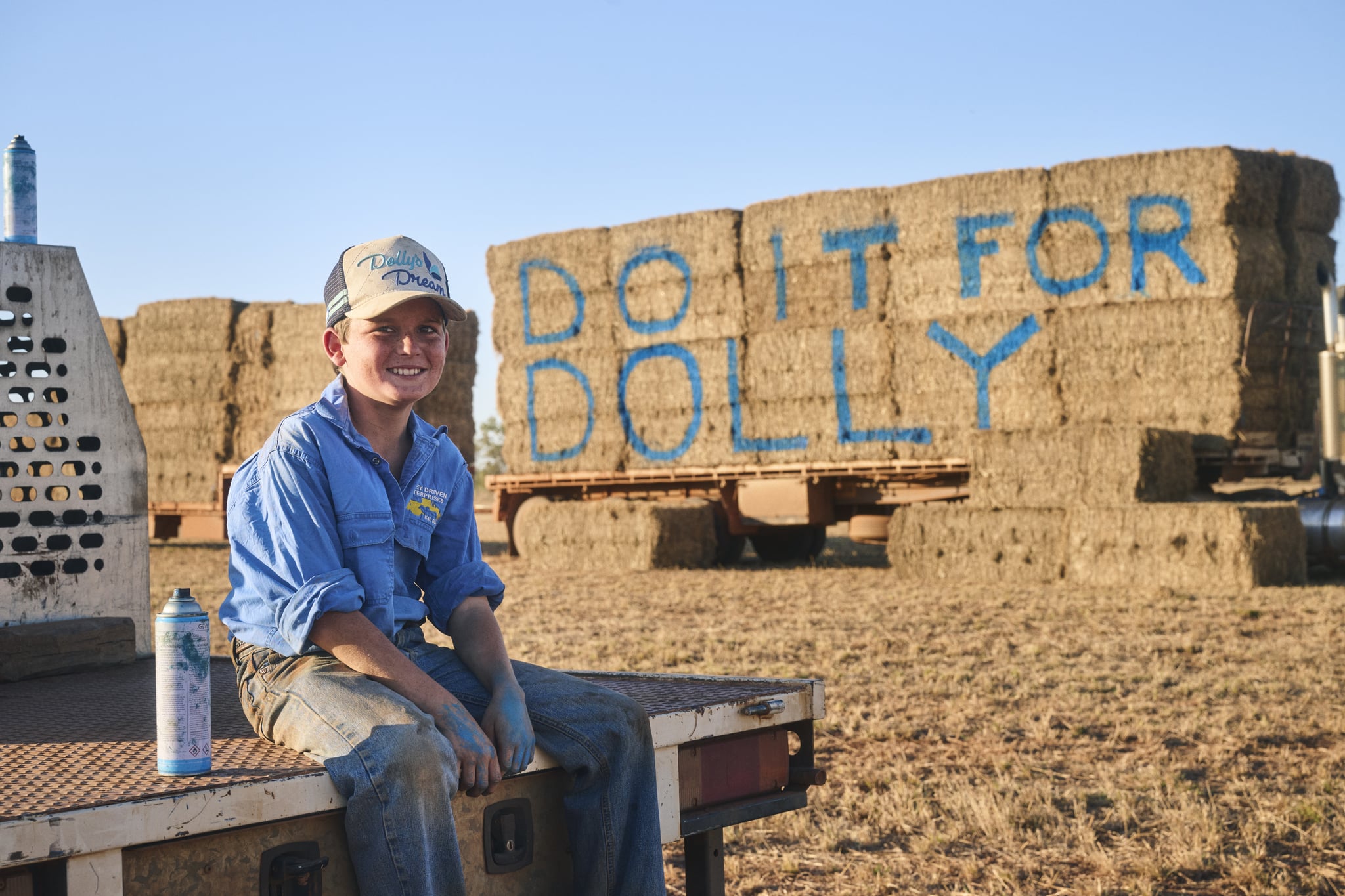
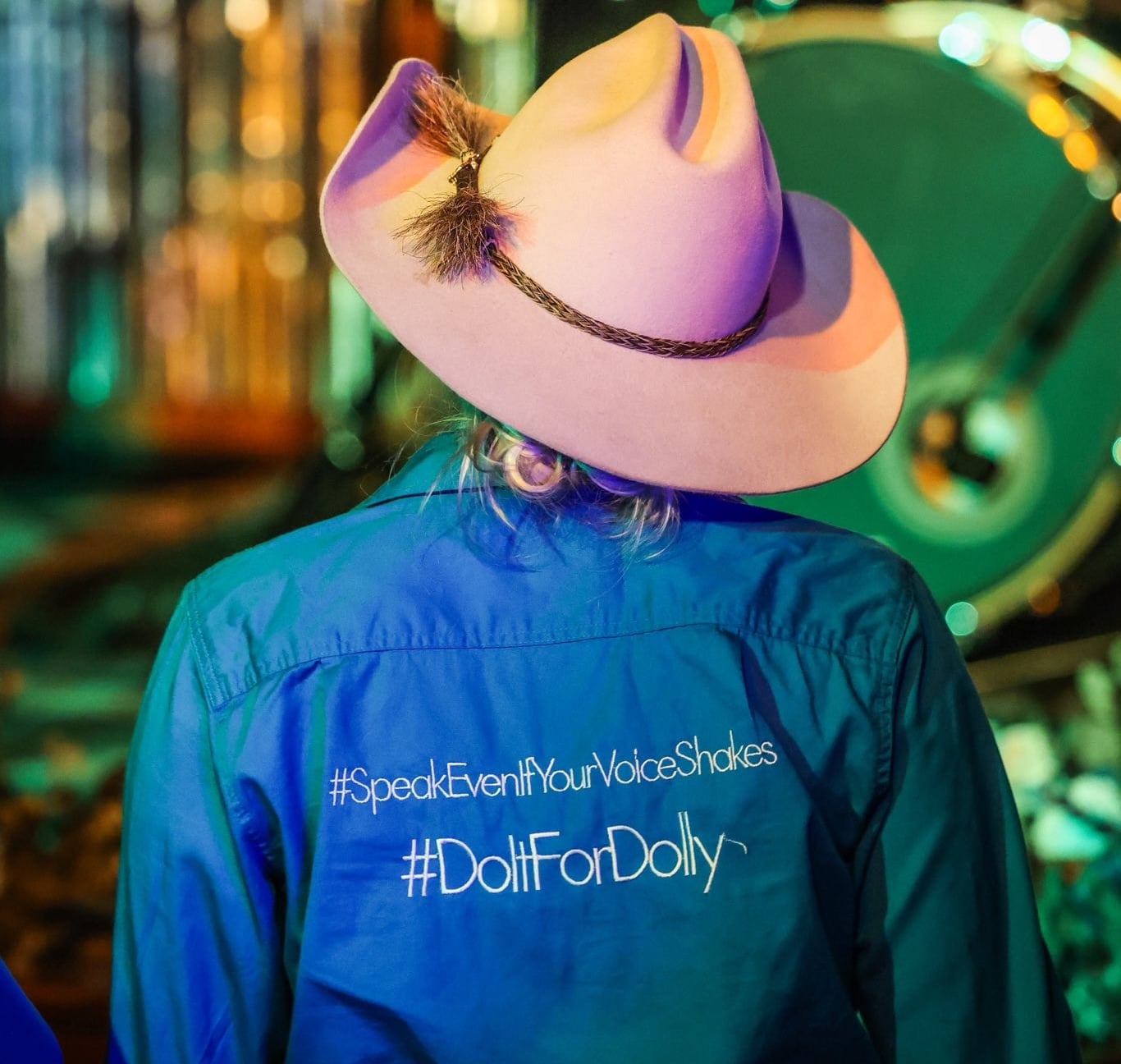
There is something powerful about seeing thousands of people visibly show up for the same cause at the same time. And for young people struggling quietly, that visibility can genuinely matter. "Seeing so much of Australia go blue on Do It For Dolly Day sends a hugely powerful message to kids and teens," says Sweeney. "For a kid or teen who has been going through something alone, seeing a whole school wear blue can be the first signal that they might be heard if they speak up. Sometimes that's all it takes to start a conversation."
That is part of why Do It For Dolly Day has become bigger than just a fundraiser. It is also about creating conversations that continue long after the day itself ends. "When hundreds of thousands of Australians mark the same day to say bullying is not okay, it becomes part of the cultural fabric."
How Dolly's Dream Continues To Show Up
Since launching in 2019, Do It For Dolly Day has grown into one of Australia's biggest anti-bullying movements. In 2025, more than 2,200 schools and community groups took part, helping raise $1.9 million for support services and prevention programs. This year, Dolly's Dream hopes to raise more than $2 million to continue funding initiatives including 13 DOLLY, its 24/7 bullying support line and webchat service.
While conversations around bullying have become more visible, the reality is it is still affecting a huge number of young Australians. More than one in four Year 4 to Year 9 students report being bullied every few weeks or more often.
Seventy percent of children aged 12 to 13 say they have experienced at least one bullying-like behaviour in the past year, while more than half of young people report experiencing cyberbullying. Research also shows students who are bullied are three to six times more likely to experience mental health challenges including depression, self-harm and suicidal ideation than their peers.
There are endless ways to get involved — donate, fundraise, wear blue on May 8 or simply start conversations about bullying within their schools, workplaces and communities.
And if you or someone you know needs support, Dolly's Dream's 24/7 bullying support line can be reached on 13 DOLLY (13 36 55), with webchat support available through dollysdream.org.au.