"We lost our credit for centuries, but it's time to really take back that narrative, and it's important to start educating folks on the origin of their own textiles and their own garments."
PS: Why did you decide to start SANYFW?
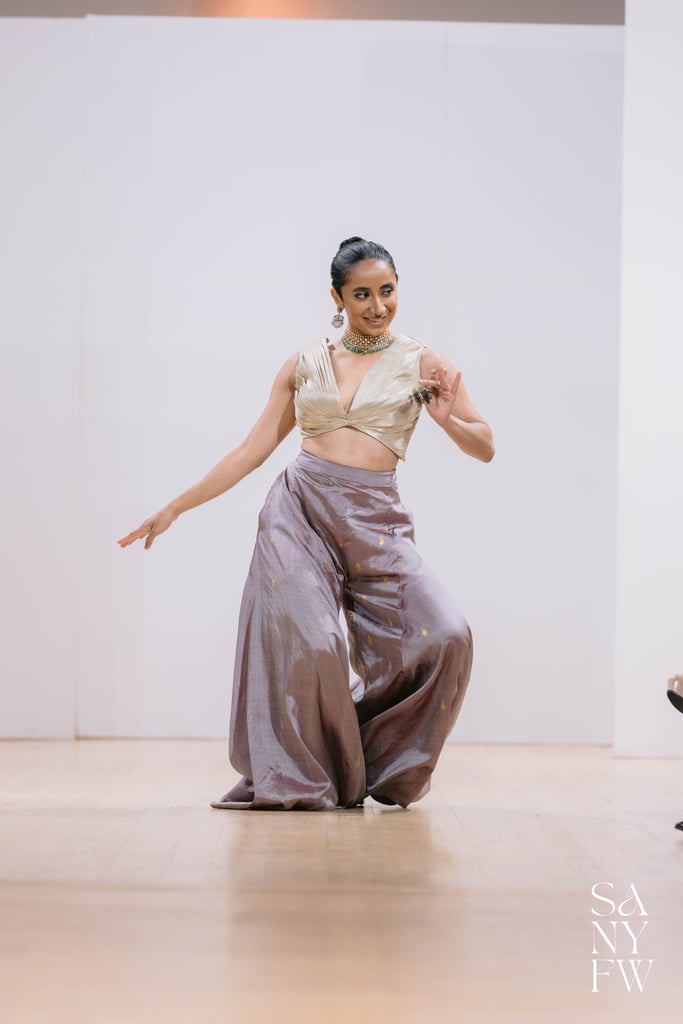
SS: South Asian fashion has been an integral part of the overall fashion community for literally centuries; we were colonized for our fabrics, our jewels, our textiles, and our embroidery were also stolen and used as inspiration for the monarchs in Europe, back in the day. We've been around, and we have been pioneers in the fashion industry as a whole.
We lost our credit for centuries, but it's time to really take back that narrative, and it's important to start educating folks on the origin of their own textiles and their own garments. We really wanted to use this as a platform to educate the global community on what South Asian fashion is and its impact across the world.
HP: I want to see more South Asian designers at online retailers or department stores or have their own fashion houses in SoHo or on Fifth Avenue. It's traditionally known that people of color get less investor dollars and less investments for their ideas, and that's across every industry, not just fashion.
SS: It extends beyond design; there's a business side to it, a financial side to it, a logistics and supply-chain side to it, an environmental side to it. We're building our South Asian Fashion Council, and we're able to provide these new designers with the resources, mentorship — a whole business breakdown on how to grow your brand, establish your brand, and keep your brand alive in these changing markets.
We want to show the world that our designers are capable of creating really innovative designs, and they're here to stay. You don't only have to be a European luxury design home to be a luxury designer.