PS: People talk about your eye for spotting talent. What were you looking for?
BH: I know that I have an eye. Steven Meisel was the first person that told me that I had a great eye. But my office — the way I ran things — was different. I had no pictures of models on my wall. I had a huge 14-square-foot loft space. You walked in, you could've been anywhere. It could have been an auto shop. You never knew it was a modeling agency. But I also really had this eye. I could see the girl or the guy [and decide if] I wanted to represent them. I could see that I could maybe sell it to somebody.
I don't know if I had to develop the eye. I just think that I have a way of seeing things. Frédéric [Tcheng], my codirector, said, "She doesn't have an eye just for fashion or for models. Her eye [is for] how she sees the trailer, how she hears music."
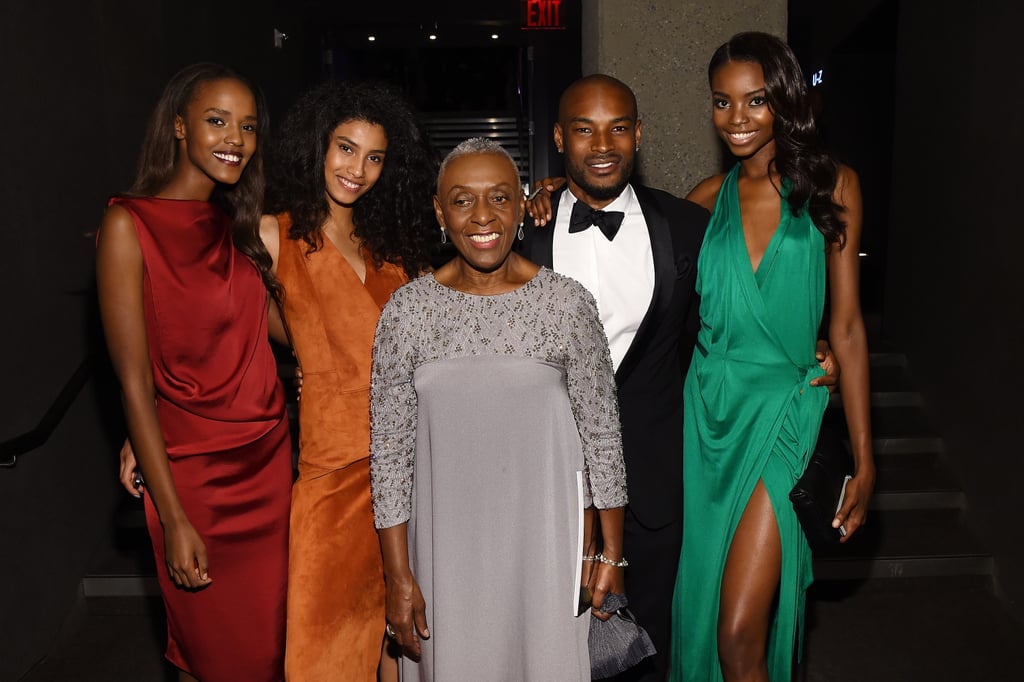
PS: Tell us about the story behind you signing Tyson Beckford. Did hip-hop play a pivotal role in making that happen?
BH: No; I think I understand where you're coming from with that, though. It's just the fact that at that time, the b-boys were out there. And hip-hop was existing. And a young man like Tyson comes from the street, he represents that. He just happened to look different than maybe some of the [models Lauren was working with]. So what was really important is that once he was signed to Ralph Lauren, the shirt [he wore] sold out because he represented who the boys on the street were. So that helped to make Ralph see, like, "Whoa." He already knew he liked the guy. He already had the kid in his advertising. But that's what made them offer a contract.
PS: How long did it take for you to land it?
BH: Less than a year.