6 Best Probiotics for Vaginal Health, According to MDs
Should You Take a Probiotic Supplement For Your Vagina?

As POPSUGAR editors, we independently select and write about stuff we love and think you'll like too. If you buy a product we have recommended, we may receive affiliate commission, which in turn supports our work.
If you have even the slightest interest in gut health, you've surely heard that probiotics (aka "good" bacteria) can serve you well. But the possible benefits of probiotics don't stop there; researchers have explored other areas, like skin benefits and mood improvements.
The effects of probiotics on vaginal health is another area of interest, though the field "is still controversial," says Michael Tahery, MD, a Los Angeles-based ob-gyn. While there is promising research, there's not enough evidence to say for sure that probiotics benefit vaginal health, or that certain strains have certain specific outcomes.
What's clear is that Lactobacillus bacteria (a probiotic) are the most abundant microorganisms in a healthy vagina, according to Dr. Tahery. Lactobacilli bacteria can produce peptides and hydrogen peroxide, leading to a low-pH vaginal environment, in turn preventing the growth of harmful bacteria that require a more alkaline environment to flourish, he says.
"There's research showing vaginal probiotics help immune function and block the progression of cervical cancer, HPV infection, bacterial vaginosis, yeast infections, and recurrent urinary tract infections [UTIs]," says Dr. Tahery.
For example, a study published in the May issue of Clinical Infectious Diseases compared the rate of recurrent UTIs in women who took an oral probiotic, a probiotic suppository, both, or a placebo. At four months, the group who used the combo had the lowest rate of UTIs, followed by those who used a probiotic suppository, then the oral supplement group, then the placebo.
A 2020 review published in Microorganisms highlighted studies that have found several Lactobacillus bacteria strains effective at inhibiting the growth of pathogens that can contribute to bacterial and yeast infections.
While all of this is noteworthy, it's too soon to say for sure that taking probiotics can benefit vaginal health, according to family medicine physician Brynna Connor, MD, healthcare ambassador at NorthWestPharmacy.com. "Right now there isn't enough strong research that shows probiotic supplements benefit vaginal health," she says.
Experts Featured in This Article
Michael Tahery, MD is a Los Angeles-based ob-gyn and an assistant professor of ob-gyn at UCLA Geffen School of Medicine.
Brynna Connor, MD, is a family medicine physician and healthcare ambassador at NorthWestPharmacy.com.
Karyn Eilber, MD, is an urogynecologist and co-author of "A Woman's Guide to Her Pelvic Floor."
Should You Take a Probiotic For Vaginal Health?
If nothing is amiss, your body can maintain a normal vaginal environment without the need to supplement with probiotics, Dr. Tahery says. "However menses, pregnancy, sexual practice, uncontrolled usage of antibiotics, a high-sugar diet, and vaginal douching can alter the dominance of vaginal Lactobacillus and disrupt vaginal health," he adds.
When it comes to vaginal health, the most impactful thing you can do is avoid the cause of vaginal imbalance in the first place, says Karyn Eilber, MD, urogynecologist and co-author of "A Woman's Guide to Her Pelvic Floor." "The best 'probiotics' are avoiding things that kill our own good bacteria such as excessive use of antibiotics or douching," she says.
That said, that's not always possible. And some people with issues like recurrent yeast infections or chronic UTIs may be interested in seeing if a probiotic supplement can help prevent them from cropping up.
If you decide to try a probiotic supplement for vaginal health, ideally you'll find an option containing the bacteria strains with research behind them. Dr. Connor names Lactobacillus crispatus, gasseri, acidophilus, rhamnosus, and reuteri, and Bifidobacterium lactis as the strains that are thought to help vaginal health.
While oral supplements aren't necessarily the best way to consume probiotics to promote vaginal health, they're superior in terms of convenience. "A probiotic that's inserted directly into the vagina is likely more effective than oral probiotics — although there's not good evidence to support this statement," says Dr. Eilber. "It's also difficult finding probiotic suppositories."
The bottom line: you may not need a probiotic supplement aimed at vaginal health. If you want to try one, though, here are some of the best options to choose from.
Best Overall Probiotic For Vaginal Health
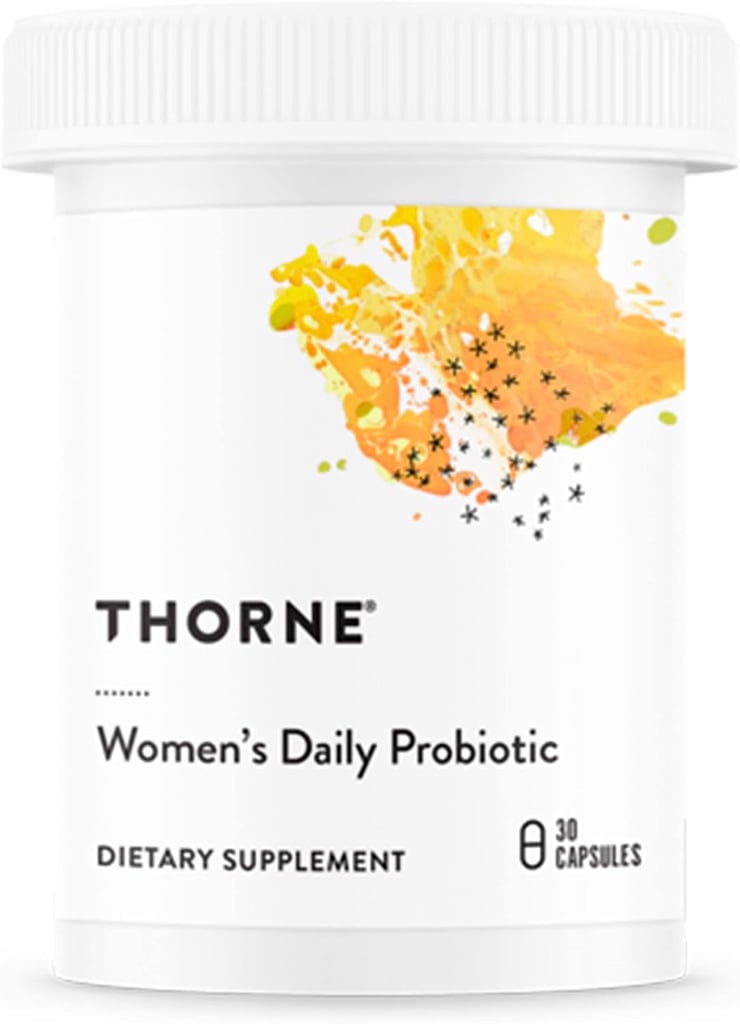
Thorne Women's Daily Probiotic ($35)
This probiotic was formulated specifically with urinary and vaginal health in mind, with bacteria strains including L. crispatus, L. gasseri, and L. rhamnosus. Thorne manufactures its supplements in Southern California facilities that have current Good Manufacturing Practices (cGMP) and NSF Certified for Sport certifications. It conducts four rounds of testing on its supplements to confirm potency, purity, and stability.
Best Vaginal Suppository Probiotic
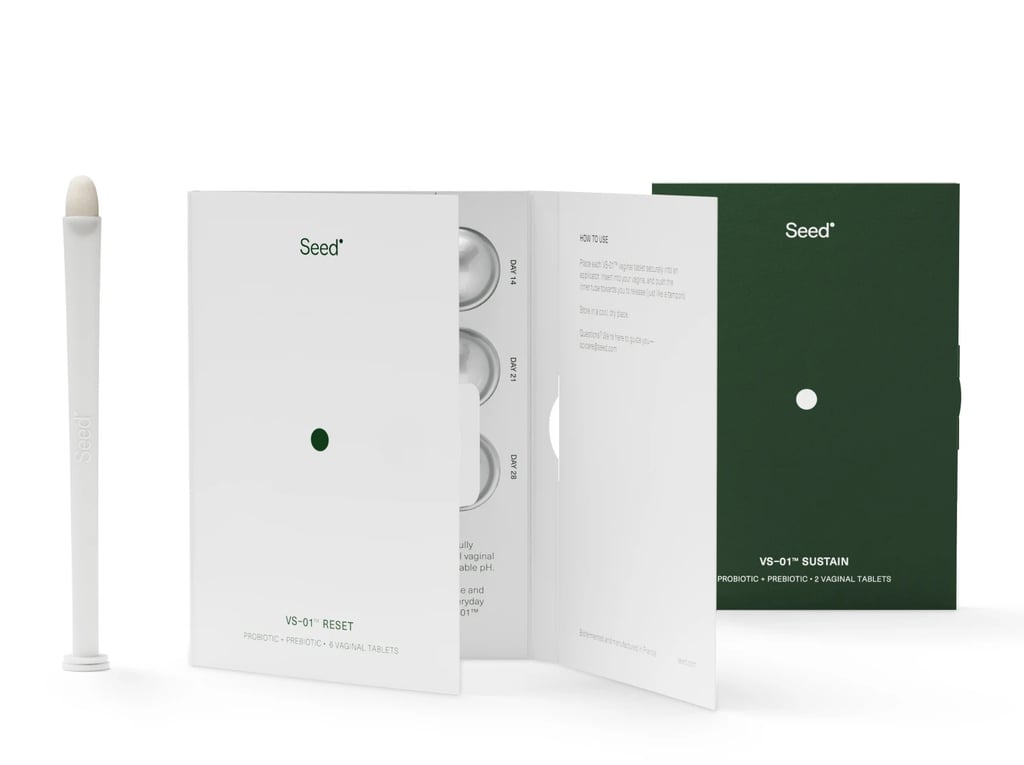
Seed VS-01 Vaginal Synbiotic ($99)
These suppositories contain a synbiotic, meaning they have both probiotics and prebiotics, compounds that fuel probiotics. They include three strains of L. crispatus, chosen for their efficacy in maintaining a healthy vaginal pH. The starter kit comes with an applicator, and consists of a 6-tablet regimen for the first month, followed by two monthly tablets for maintenance thereafter. What's more, Seed has offered PS 25 percent off with its sitewide code PS25.
Best For Urinary Tract Support
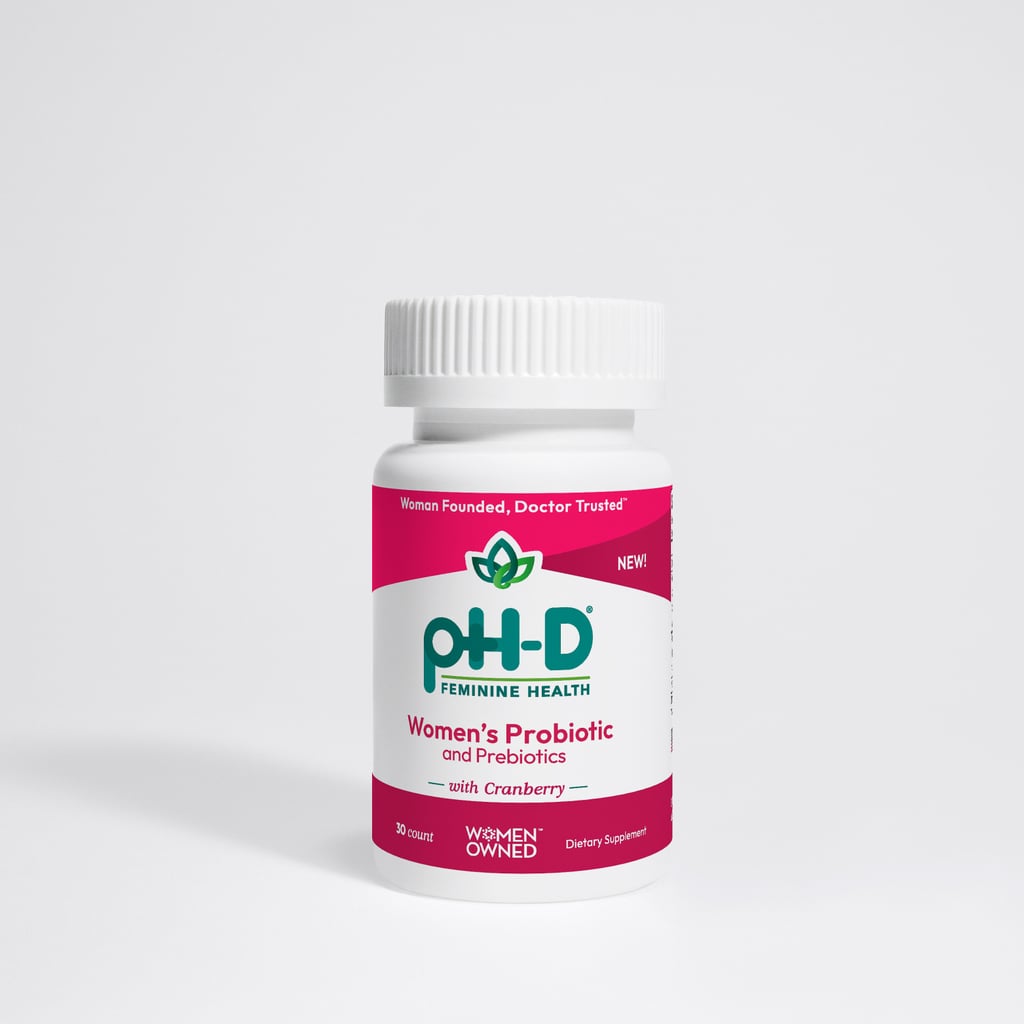
pH-D Women's Health Probiotics ($26)
This supplement was formulated to boost both digestive and vaginal health, with both prebiotics and probiotic strains including L. rhamnosus and L. gasseri. It also contains cranberry extract to promote bladder and urinary tract health, a plus if you're prone to UTIs. (Research is conflicting on the effectiveness of cranberry for UTI prevention, but there's no risk associated with taking it, as PS previously reported.)
Best Targeted Menopause Support
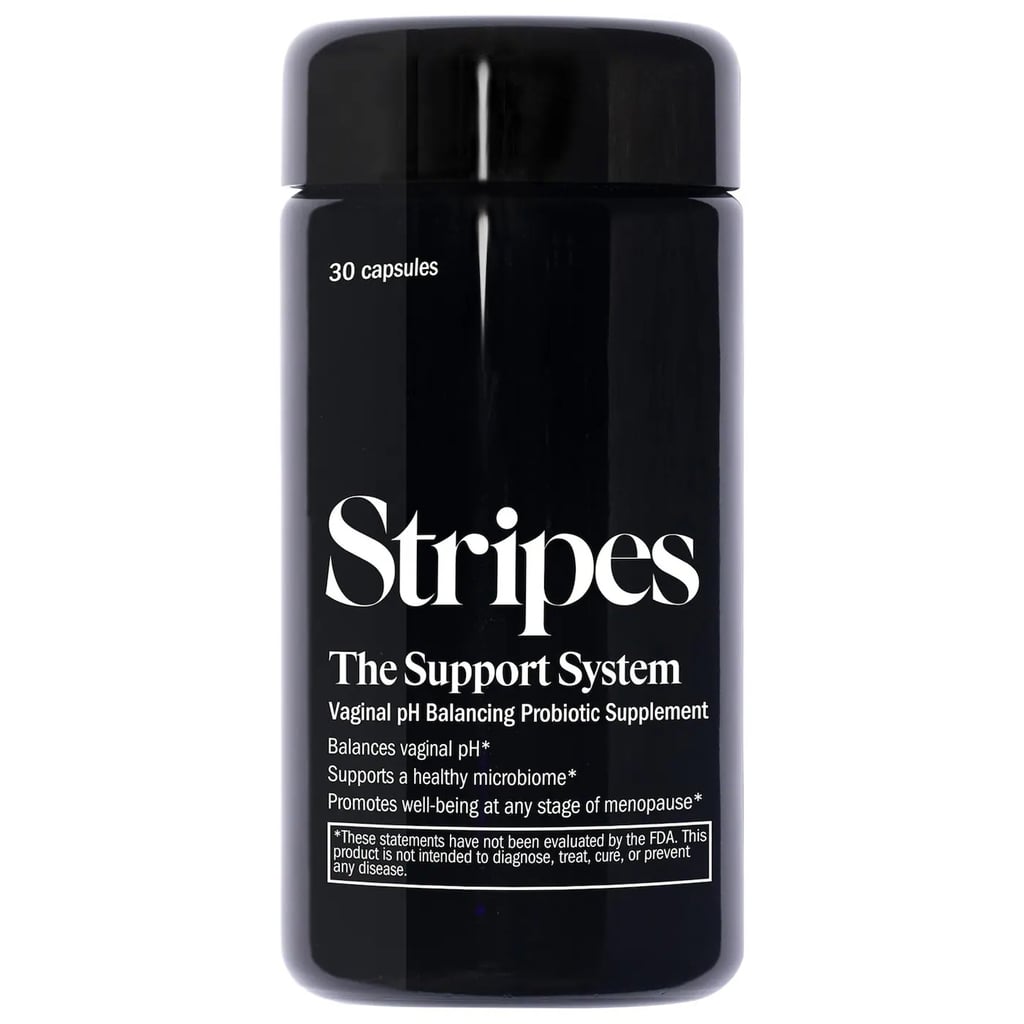
Stripes Support System ($40)
Like the rest of the products from Naomi Watts' brand Stripes, this supplement is formulated specifically to address the effects of menopause. The supplement contains a prebiotic and probiotic, and it's one of the brand's bestsellers. Even better, it's vegan and cruelty-free.
Best Value Probiotic For Vaginal Health
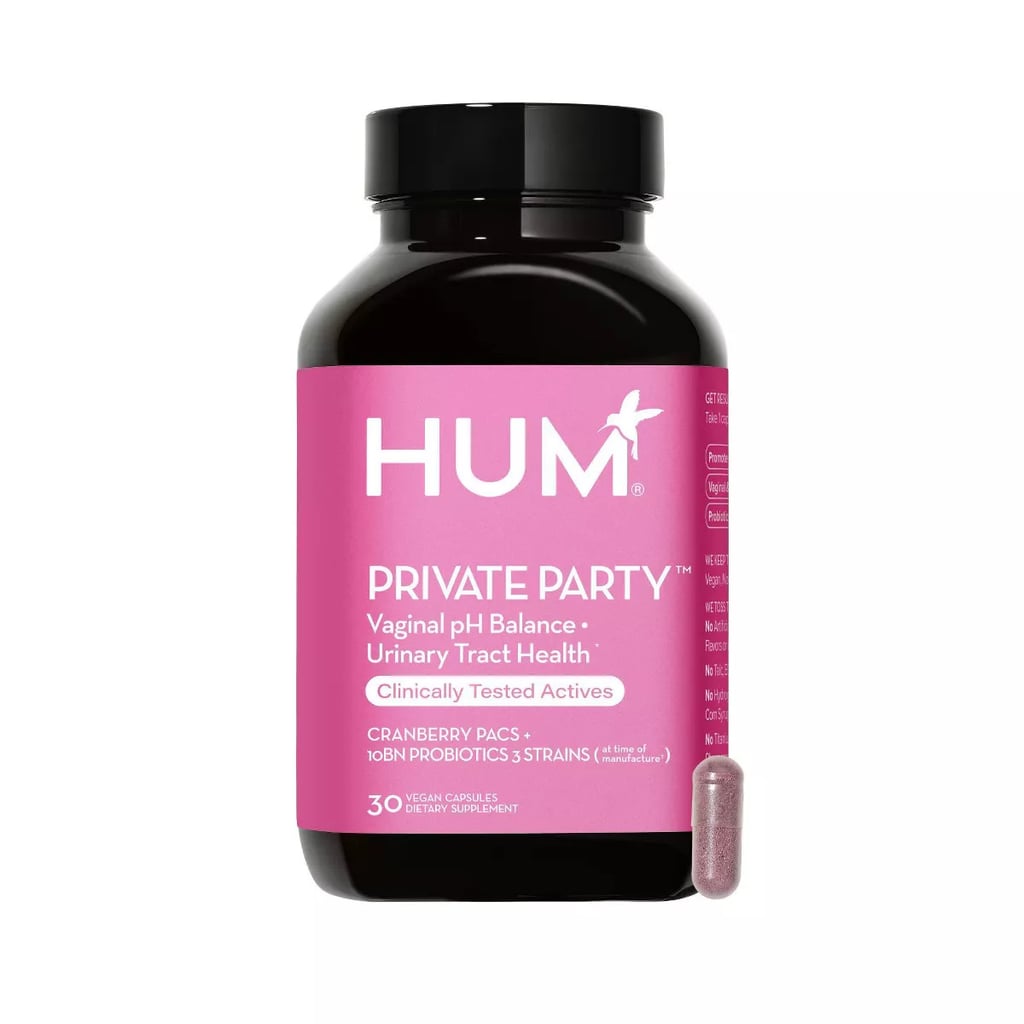
HUM Nutrition Private Party ($26)
HUM Nutrition's Private Party supplement is targeted for vaginal and urinary tract health with probiotic strains including L. rhamnosus, L. reuteri, and L. acidophilus as well as cranberry extract. HUM Nutrition doesn't use artificial colors, flavors or preservatives and produces its supplements in cGMP-compliant facilities. Its products are Clean Project Label-certified, meaning they undergo third-party testing for contaminants.
Best Rated Probiotic For Vaginal Health
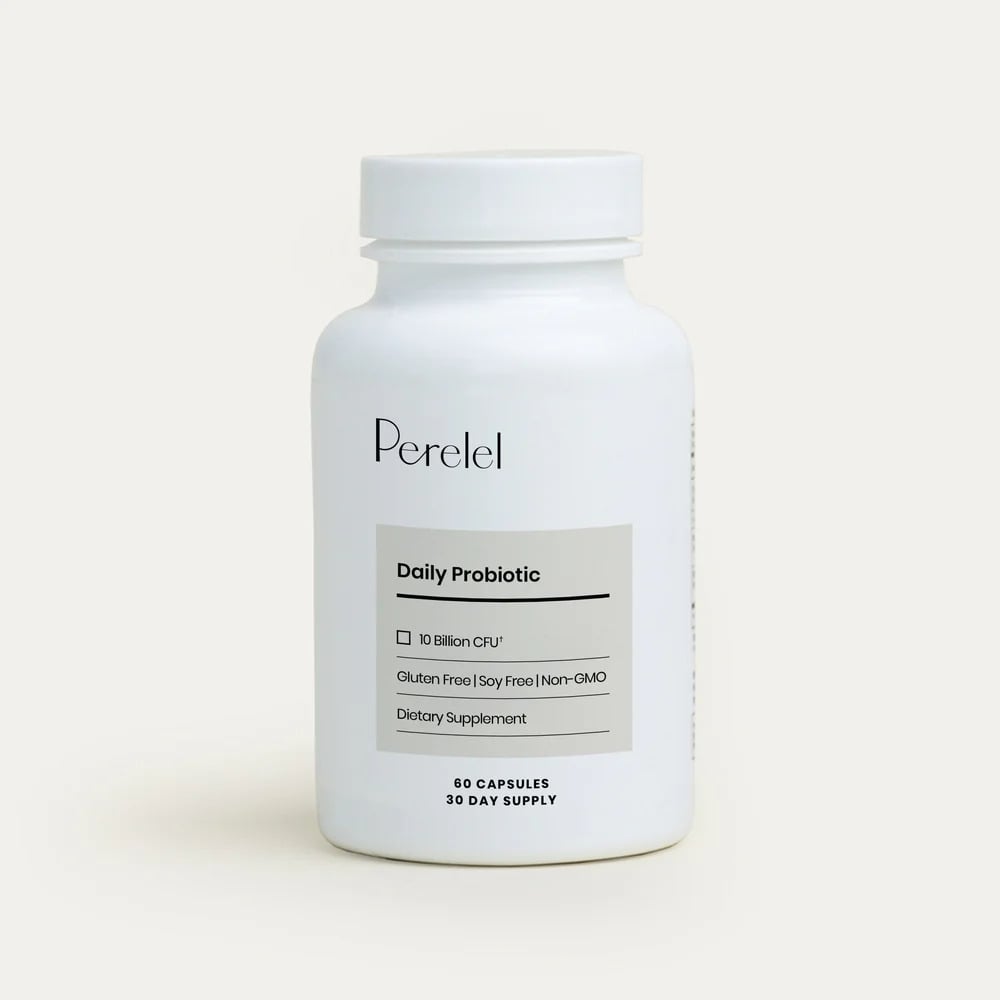
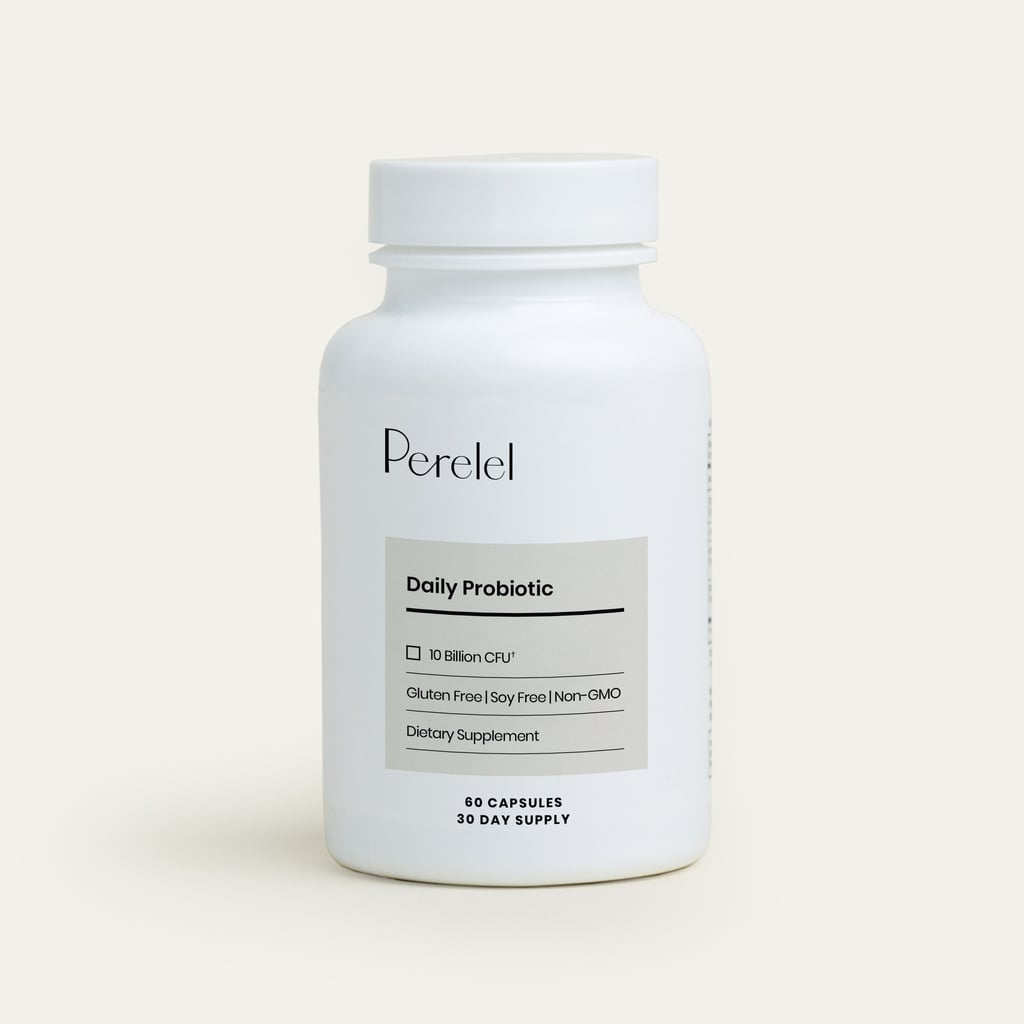
Perelel Daily Probiotic ($27)
From Perelel, a brand that focuses on prenatal and postnatal supplements, this probiotic was formulated for gut, immune system, and vaginal health benefits. Each capsule contains a blend of 12 probiotic strains, including L. acidophilus, L. rhamnosus, L. reuteri, and B. lactis. Perelel partners with Terracycle, so you can save up your empty bottles and request a free shipping label to recycle them.
Renee Cherry is a POPSUGAR contributor who specializes in beauty and wellness. Her writing has appeared in Shape, Women's Health, Glamour, and Well+Good, among other publications.