Utah State Representative Letter on Equal Pay
WTF: This Republican Argued Against Equal Pay So Women Can "Remain in the Home"

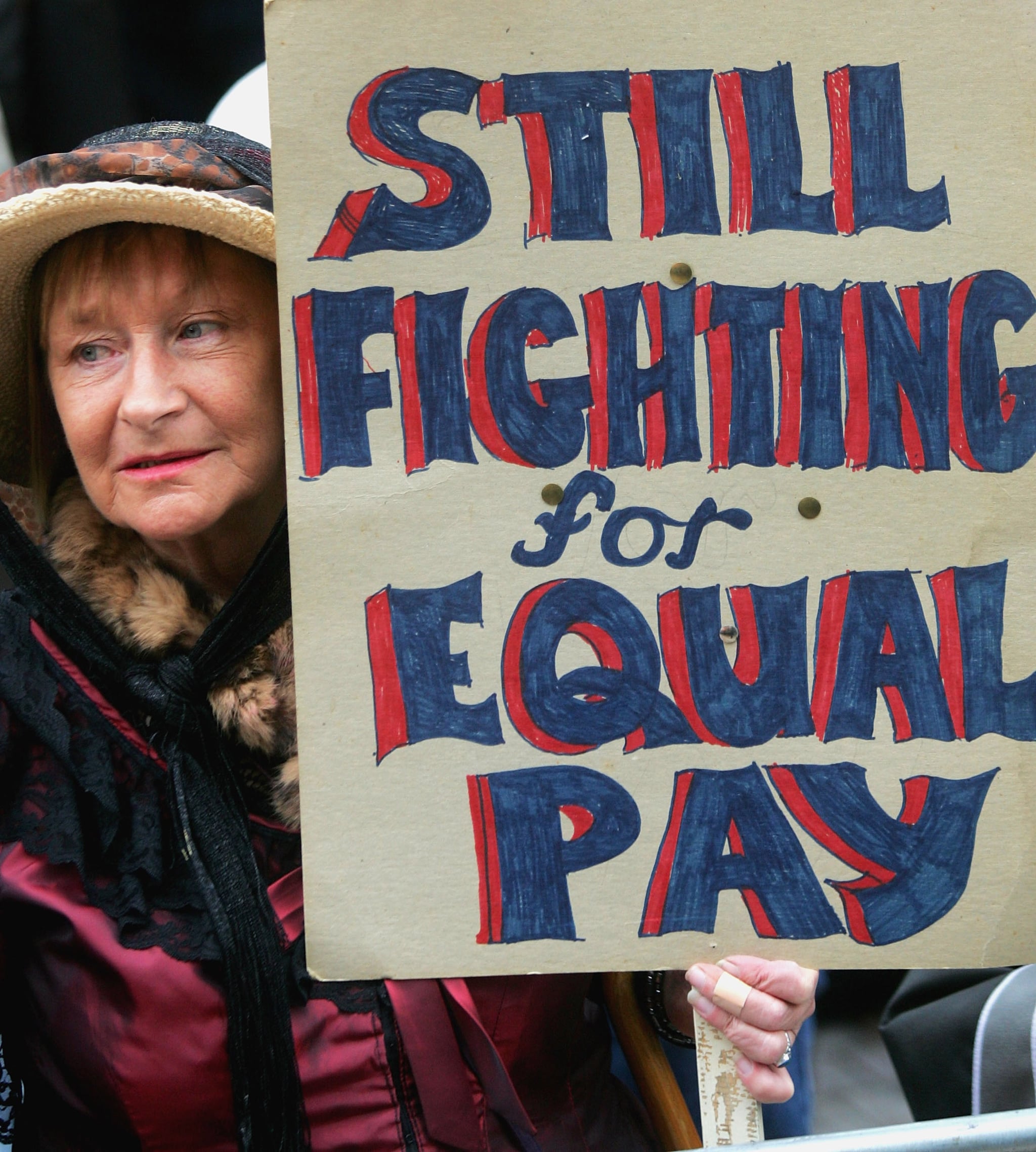
Though many of us thankfully didn't live through the time when women were confined to the kitchen and only considered capable of raising children, never fear — a Utah state representative is here to remind you of it. Arguing against Senate Bill 210, which would mandate equal pay policies in Utah, Republican State Representative James C. Green penned a stunningly sexist letter to the editor of The Wasatch Wave explaining his position.
"Traditionally men have earned more than women in the workplace because they are considered the primary breadwinners for families," Green writes, adding that "they need to make enough to support their families and allow the mother to remain in the home to raise and nurture the children." Continuing to maintain his antiquated view of women, Green asserts that equal pay would be bad for families.
Apparently, it's "simple economics" that if more women work, then businesses will have to pay men less. And the consequences of that would be detrimental, claims Green. "Men will have an even more difficult time earning enough to support their families," Green writes. "Which will mean more mothers will be forced to leave the home (where they may prefer to be) to join the workforce to make up the difference."
The icing on the cake is Green's description of equal pay — as if it's some nightmare involuntarily pressed upon society. "It's a vicious cycle that only gets worse the more equality of pay is forced upon us," Green posits.
Unfortunately for Green (and women), the pay gap is the real nightmare that affects women. For every dollar a man earns, women earn on average 21 cents less — and it adds up to over $10,000 a year, according to CNN Money.
Green has since acknowledged the letter's backlash and apologized in a statement to local Salt Lake City news channel Fox 13.
"Of course, women's contributions in the workplace are just as valuable as any one else's," Green says. "I was merely pointing out the historical reasons for pay disparity and the challenges of overcoming that."