Mars Likely Had Water in Crater
Life on Mars? Two Compelling Discoveries May Hold the Answer

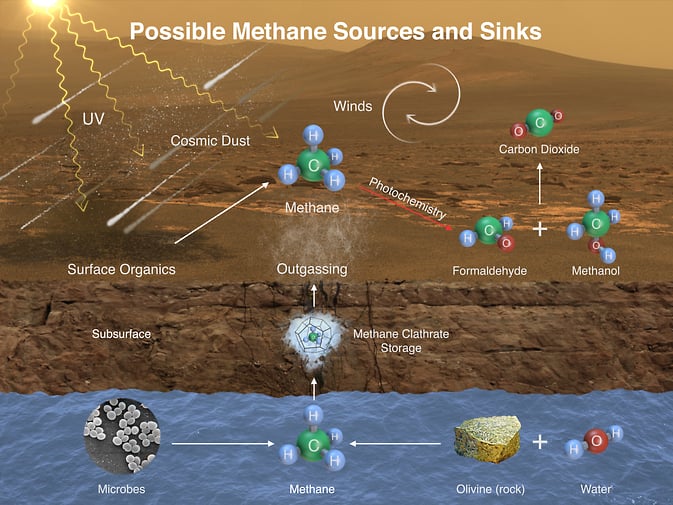
In the most exciting Mars-related news yet since Curiosity landed on the Martian surface, the rover (current location: Mars) has detected rising and falling level of methane in the planet's atmosphere. These mysterious spikes contribute to the amount of stable methane on Mars, but the levels are so low that it probably isn't an indicator of widespread life on the planet. But don't be too disappointed! A recent discovery points to very compelling evidence that Mars was indeed habitable.
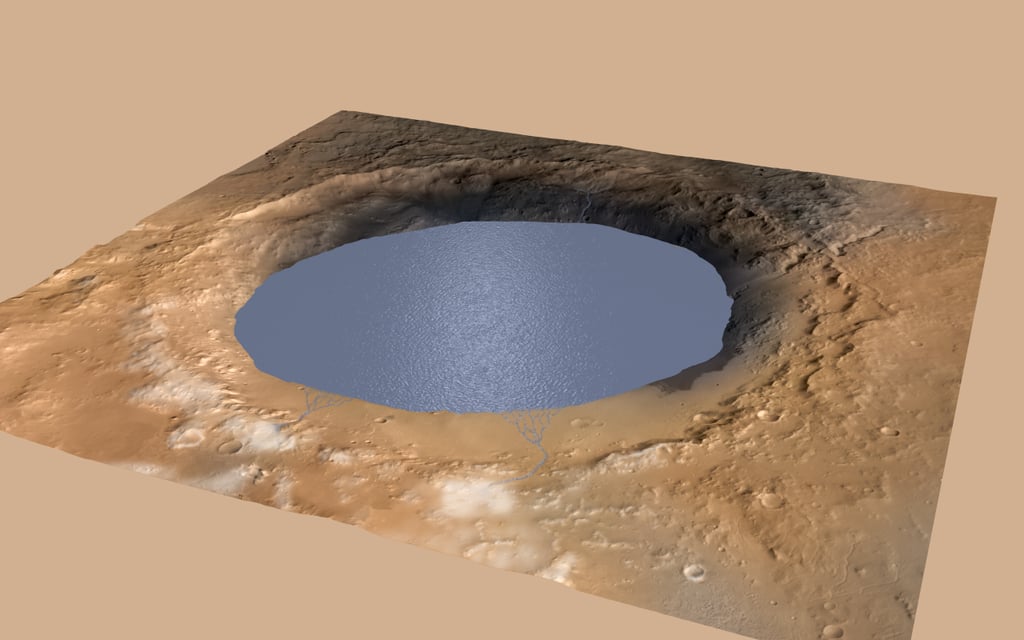
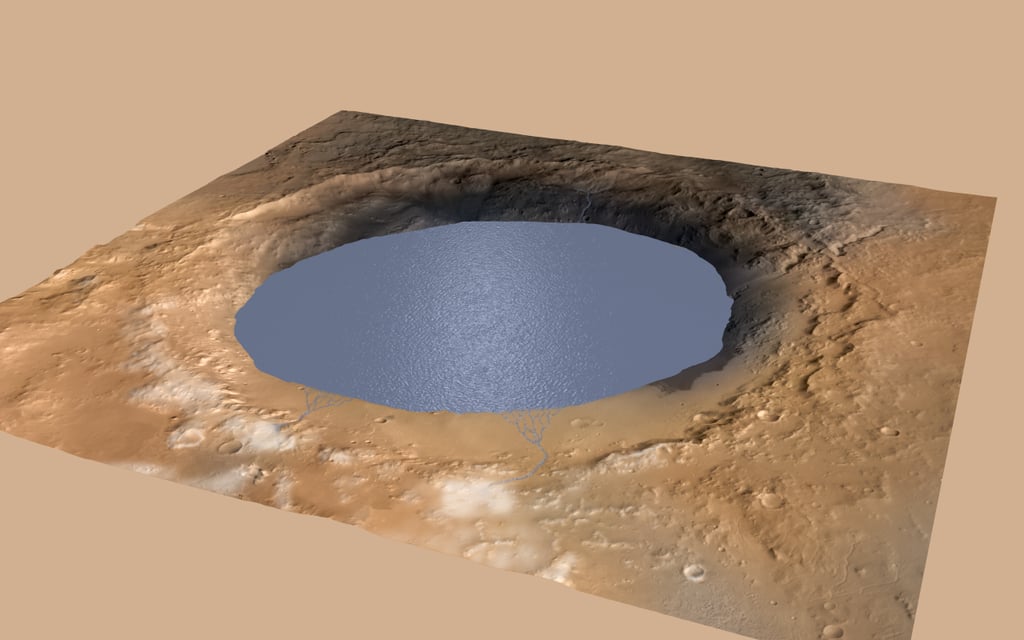
NASA also discovered that a giant crater could have been home to an equally giant lake on the Red Planet. Why is this exciting? Because aliens! Water means life as we know it. The climate of ancient Mars could have been conducive to many lakes, which could have supported extraterrestrial life many, many years ago.
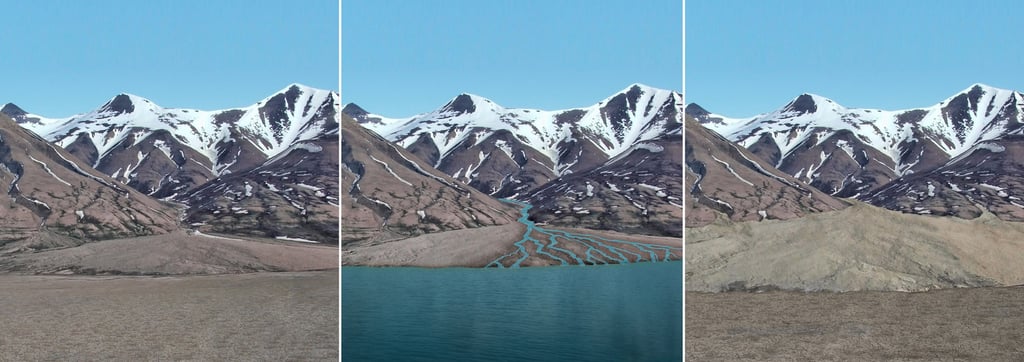
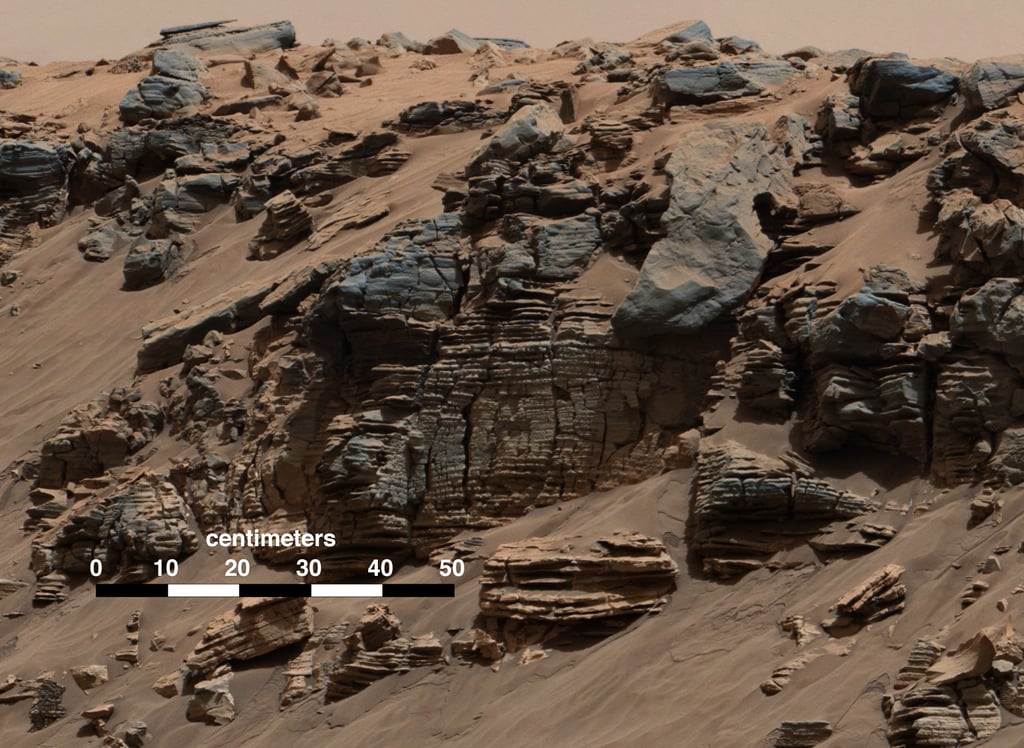
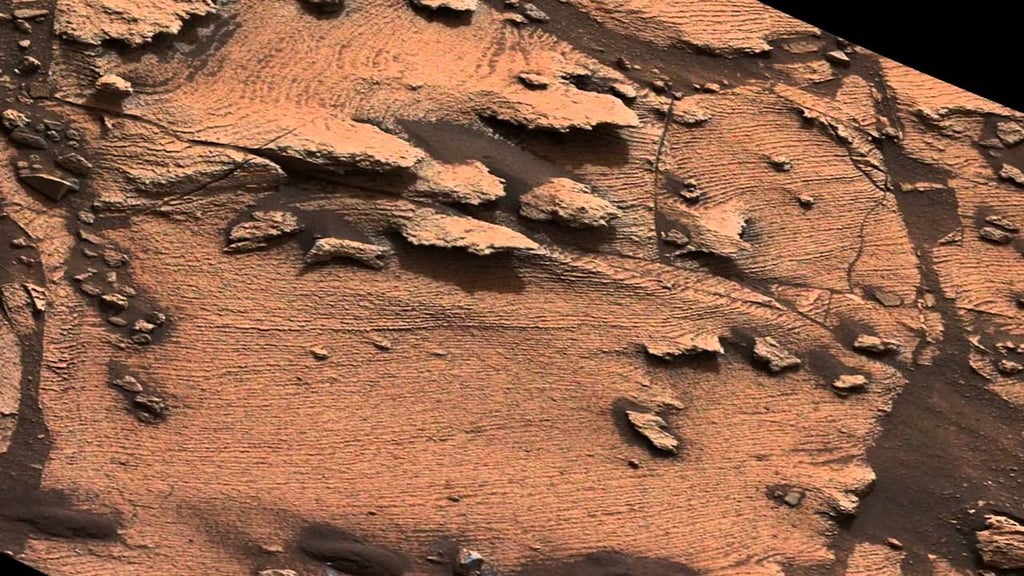
The scientists suspect that a lake existed in an area called the Gale Crater. A large mountain inside the crater, named Mount Sharp, might have been built up "by sediments deposited in a large lake bed over tens of millions of years," scientists claim. No other explanation for the layered mountain's existence is as solid as the lake theory.
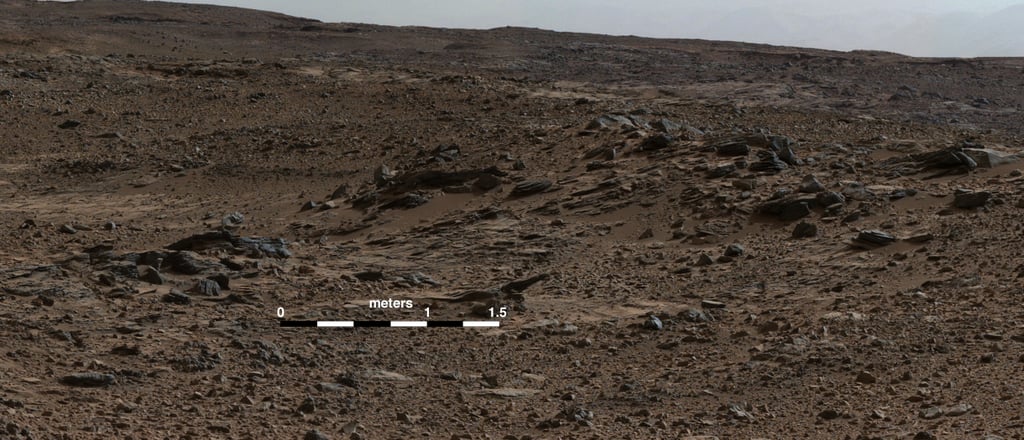
NASA's Curiosity rover is currently roving its little heart out at the lowest sedimentary layers of Mount Sharp, about 500 feet high. The mound is about five miles from the rover's initial landing site. "As Curiosity climbs higher on Mount Sharp, we will have a series of experiments to show patterns in how the atmosphere and the water and the sediments interact. We may see how the chemistry changed in the lakes over time," said Curiosity Project Scientist John Grotzinger.
Every little discovered bit about Mars's environment brings us one step closer to a human Mars mission in the 2030s. While the Gale Crater lake hypotheses is still just a possibility, it's an exciting development nonetheless. Read on to see the images of the crater from Curiosity and get an explanation of what may have happened from NASA scientists themselves.