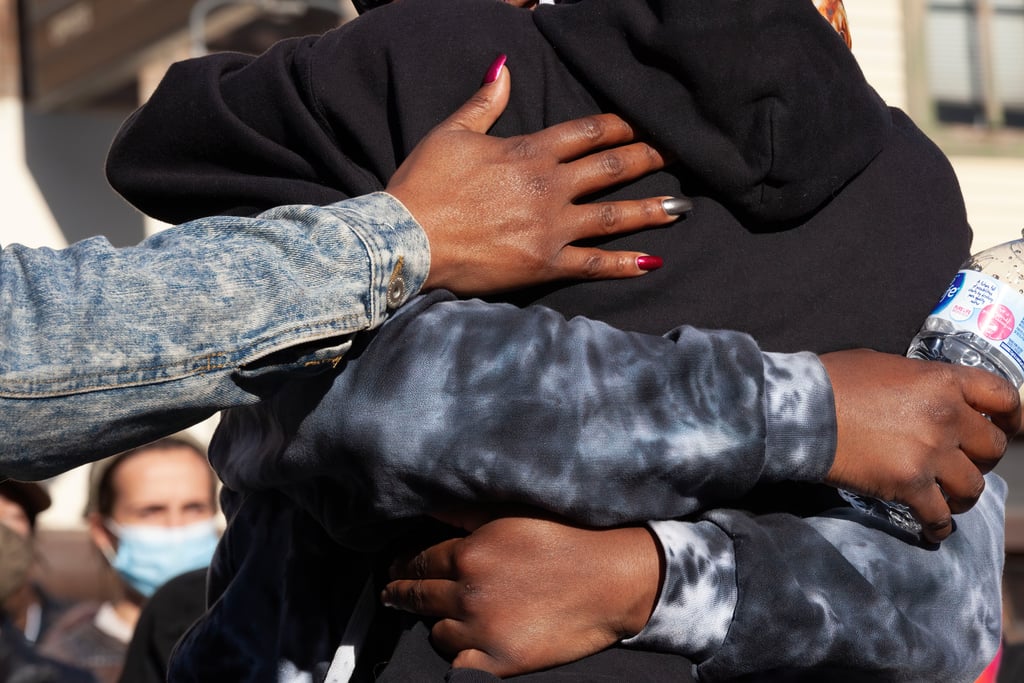
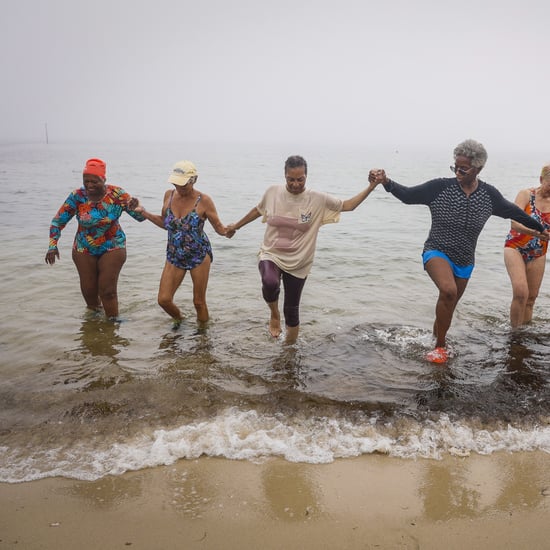
PS: That's beautiful, and I think that ties into something else. A lot of folks are finally starting to have conversations about what abolition means — by people, I mean white people — for the first time, but I think it is still an abstraction to a lot of people. But, to understand that abolition is so many things: it's community, it's love, it's family, it's looking out for your neighbor. It's restorative. It's in all of those things. And to underline that abolition is not divorced from history or by any means new. You can have a narrative where the thread is abolition, and the thread is also love: that's really what it comes down to.
"I believe that if I walk down the street, every person there has a capability to be my loving neighbor. And so, what work am I doing toward that?"
HZ: Right, because at the root of it, it is the belief that the people around you, if given access to heal and care and support, aren't going to be mindless monsters who you have to always have an armed force on standby to take care of. That's love. I believe that if I walk down the street, every person there has a capability to be my loving neighbor. And so, what work am I doing toward that? And how does this concept of police prevent that from happening? And that's something you have to wrestle with differently in every situation, but hopefully it's something that after reading this book, people will be able to apply to their lives more regularly. Because it's in how you walk past someone who's houseless on the street; it's in, like you said, your relationships with your neighbors. It's in all of that.