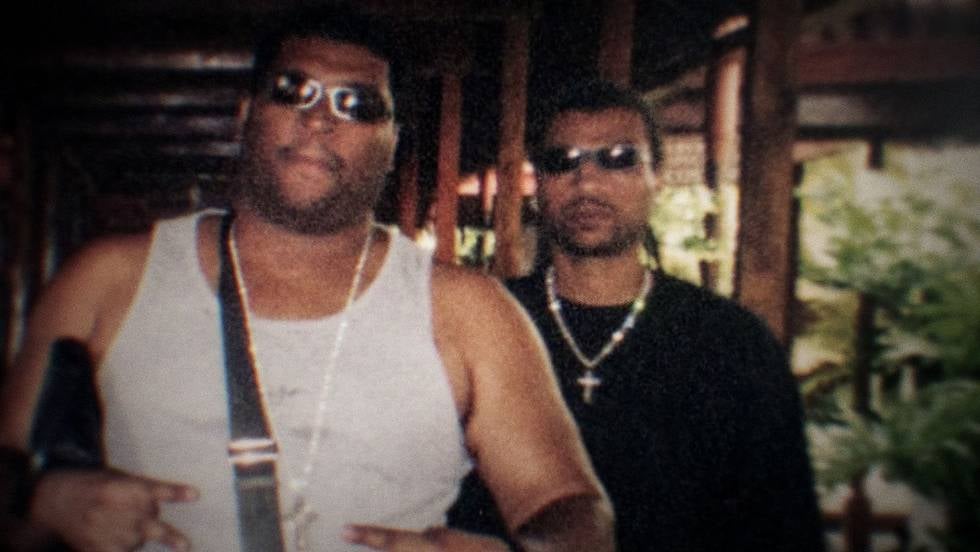
- Big Meech went on the run and moved to Miami once BMF quarters started getting raided. Once the heat from law enforcement came down on the organization, Big Meech and his assistant, Yogi, fled Georgia and moved down to Miami to evade arrests. However, Big Meech continued to flaunt his flamboyant lifestyle.
- Big Meech continued to promote BMF Entertainment amid his run from law enforcement. Despite knowing he was already on law enforcement's radar for drug trafficking, Big Meech's affluent living didn't end. In fact, he even began promoting BMF, disguised as his record label, at a popular Miami nightclub called Crobar where Sunday nights were declared "BMF Night."
- Big Meech stayed committed to the drug game because he wanted to ensure his BMF crew members were taken care of. At the time, Big Meech could've walked away from BMF before getting tied up by the DEA, but he remained the head of his drug organization because he cared for his crew members and what would happen to them if he were arrested. "He said, 'I don't wanna not ever go to jail. I wanna have the foresight and the knowledge to know before they're coming so I can have everybody set up and situated,'" Yogi recalls. Big Meech also adds, "I got so much love for my people that I don't want nobody else to go down and catch no time."
- Over 20 leaks in BMF led to numerous arrests within the organization. A BMF soldier by the name of Omari "O-Dog" McCree was arrested and questioned by the police about Big Meech and the organization's drug dealings, which he allegedly laid out in detail for law enforcement. According to retired Atlanta police officer Bryant Burns, McCree's leak led to a domino effect in BMF — 20 other domino effects, to be exact — which helped investigators build their case against BMF. In the end, it led to seizures of BMF assets, as well as Terry and Big Meech's arrests.
- The DEA initially didn't have a strong case against Big Meech. Although Big Meech was the head of BMF, investigators didn't have much physical evidence of him ever being around drugs — including photos and wiretaps, unlike his brother, Terry, who was frequently caught on the latter. However, the two brothers allegedly never paying income taxes for the millions of dollars they flaunted over the years raised a major red flag for money laundering. In 2006, BMF's chief financial officer, William "Doc" Marshall, handed law enforcement all financial documents tied to the organization, helping them build a stronger conspiracy case against Big Meech and Terry.
- Law enforcement allegedly tried to get Big Meech and Terry to flip on each other at trial. On Nov. 9, 2007, the rivaled Flenory brothers requested a face-to-face conversation the day their trial began for the first time in almost two years. Their meeting together allegedly included a screaming match overheard by DEA and FBI agents, according to Burnstein, who thought they could convince Terry to flip on his brother to get Big Meech convicted.
- Big Meech says he has no regrets about the downfall of BMF. After all the arrests and fallout of his organization, Big Meech says he "wouldn't change nothing" about what he did before being sentenced to 30 years in prison. "Everything was a learning experience," he adds in the documentary. "I wouldn't change not one loss, not one bullet wound. Not nothing, good or bad. I'm proud of me. I was the man I always wanted to be . . . just 'cause you go to prison don't mean it's the end of your story."
All episodes of "The BMF Documentary" are now streaming on Starz.