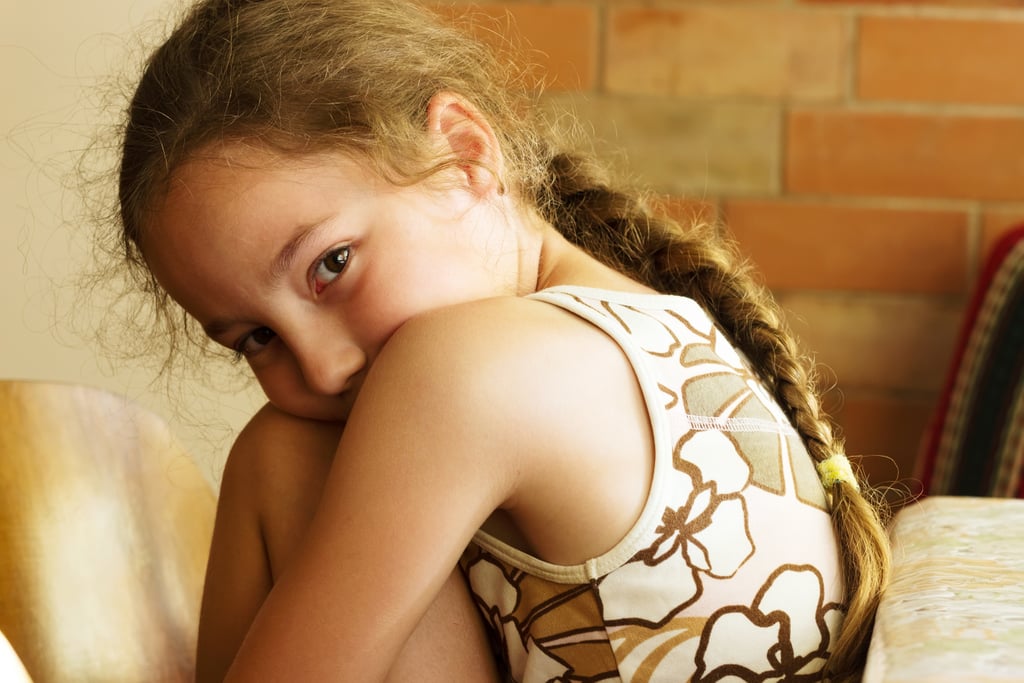
This child avoids social settings out of fear of any situation involving the unknown. Empathize with your child's concerns and verbally work through them instead of shaming them for their worries. Acknowledge their discomfort — the more they think something is wrong with them or the situation, the more reserved they will act.
If any of these signs ring true to your child, here are some helpful tips to change their timid behavior for the better.
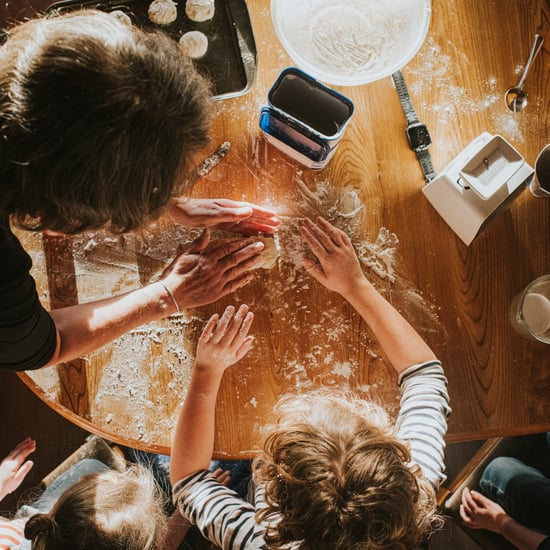
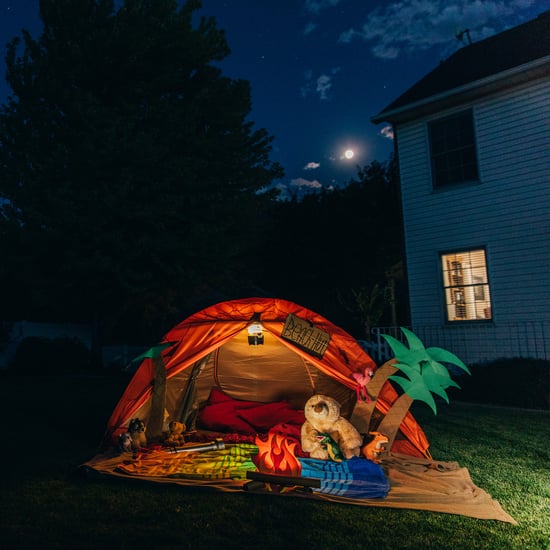
- Continue introducing and encouraging new experiences. While you don't want to force them to immediately jump right in, being isolated can make their anxiety worse. Teach them how to cope with new experiences by slowly pushing them outside of their comfort zone. Start with compromises at first, like staying near them during new situations while they build their confidence.
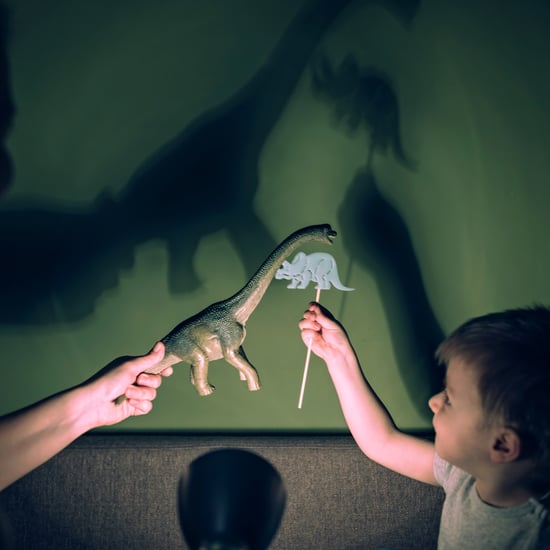
- Role play and read helpful books together. This will help kids feel more comfortable with what to do in a variety of situations. Working on their fears is essential in learning skills and helping to manage anxiety.
- Gradually help them build independence. By setting them up for success with certain tasks, you can build their self-esteem and willingness to take on more responsibility outside of their comfort zone.
- Take the pressure away by letting your child just be themselves. Teach them that it's OK to be more reserved but that doesn't mean they can't also be confident. Ensure them that they don't have to worry about always being "interesting" as long as they learn how to be interested in their friends.
- Don't push them in introductions with strangers or make them feel embarrassed when they don't greet new people how you'd ideally like them to. Allow them to be shy if need be and then practice another time in a comfortable environment.
- Don't explain away their shyness — the more you make excuses or label them as "shy" the more they'll think something is wrong with them. Try humblebragging to other adults in front of your kiddo — just hearing positive encouragement and agreement from other adults can sometimes go further than praise from their own parents.