Everything a Parent Should Know About Car-Seat Safety
Your Toddler Should Stay Rear-Facing in the Car For Longer Than You Think


As POPSUGAR editors, we independently select and write about stuff we love and think you'll like too. If you buy a product we have recommended, we may receive affiliate commission, which in turn supports our work.
Car crashes are a leading cause of death for children ages 1 to 13, according to the National Highway Traffic Safety Administration (NHTSA), which means car-seat safety can literally be the difference between life and death.
Good news: using seat belts (as well as age- and size-appropriate car seats) reduces serious and fatal injuries by up to 80 percent, per the Centers for Disease Control and Prevention (CDC). But with 46 percent of car seats and boosters used incorrectly, according to NHTSA data, it's important to not only select the right option for your child but also stay up to date on the latest safety recommendations.
An easy step you can take to ensure car-seat safety is simply reading the label. According to Graco, a manufacturing company that makes car seats, each car seat has an expiration date of about seven to 10 years, in order to stay up to date with regulatory changes and improved technology, in addition to general wear and tear. The label will also detail if it's a good fit for your kid's age, weight, and height.
Even though all 50 states and Washington DC have their own child-restraint laws, the American Academy of Pediatrics has its own car-safety recommendations for children of all ages. Read on for everything parents should know about car- and booster-seat safety, as well as our top selections for the best car seats and boosters on the market.

Car-Seat Safety: Rear-Facing

Rear-facing is the safest way for children to ride, as it reduces the risk of injury. And while the American Academy of Pediatrics (AAP) previously recommended that children should remain in a rear-facing car seat until at least the age of 2, now it's recommended that children remain in a rear-facing seat for as long as possible. Most convertible seats allow children to remain rear-facing until they weigh 40 pounds or more, per the AAP, which means most children can remain rear-facing well past their second birthday. Just be sure there is at least one inch between the top of the car seat and the top of your child's head.
Best Rear-Facing Car Seat: KeyFit 35 Infant Car Seat ($270)
- Works up to 35 pounds and 32 inches which, means you can safely rear-face for longer
- Includes an anti-rebound bar for extra protection in the event of a crash
- Includes a removable head- and body-support insert to create a newborn car seat
- Compatible with most strollers
Car-Seat Safety: Forward-Facing
Once children reach the highest weight or height allowed by a rear-facing car safety seat, you can then shift to a forward-facing seat with a harness for as long as possible, per the AAP. You can use this seat until your kid reaches the height and weight limits — and the top tether should be attached for all forward-facing installations. Many convertible seats can accommodate children up to 65 pounds or more, but make sure to check the car-seat label for specifics.
Best Forward-Facing Car Seat: Britax Marathon Clicktight Convertible Car Seat ($340)
- Convertible from rear-facing to forward-facing as your infant grows into a toddler
- Forward-facing harness weight of up to 65 pounds
- ClickTight system makes it easy to install while adding a level of security and safety

Booster-Seat Safety: High-Back and Backless
Once children reach the highest weight or height allowed by a forward-facing car safety seat, you can transition to a belt-positioning booster seat. Using a boost seat reduces the risk for serious injury in a car accident by 45 percent for children ages 4-8, compared with seat-belt use alone, per the CDC.
A booster seat should be used until the vehicle lap-and-shoulder seat belt fits properly without the assistance of a booster seat, according to the National Highway Traffic Safety Administration. The CDC describes a proper fit as having the lap belt sit across the upper thighs and the shoulder belt across the center of the shoulder and chest. This typically happens when children reach 4'9" in height and are between 9 and 12 years old. However, seat belts vary from car to car, so always double check if the child needs the use of a booster seat for certain vehicles.
The two standard types of booster seats available are the high-back and the backless. High-back boosters should be used in vehicles without headrests or with low seat backs, and backless boosters can be used safely in vehicles with headrests and high seat backs. While high-back booster seats are the more secure of the two, backless booster seats tend to be smaller and lighter, making them easier to travel with.
Best Booster Seat: Graco Tranzitions 3 in 1 Harness Booster Seat ($140)
- Use the forward-facing harness until your toddler is 65 pounds, then easily transition to high-back then backless booster as your child grows
- Eight-position adjustable headrest
- Has undergone rigorous crash safety tests to protect from frontal, side, rear, and rollover crashes
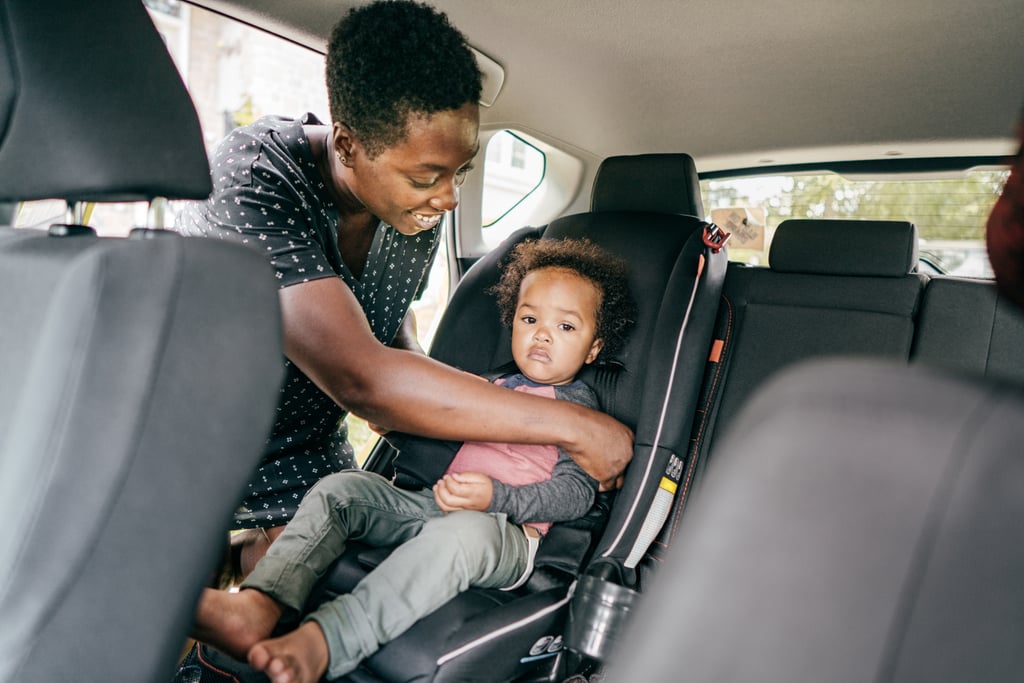
What Are the Rules of the LATCH System?
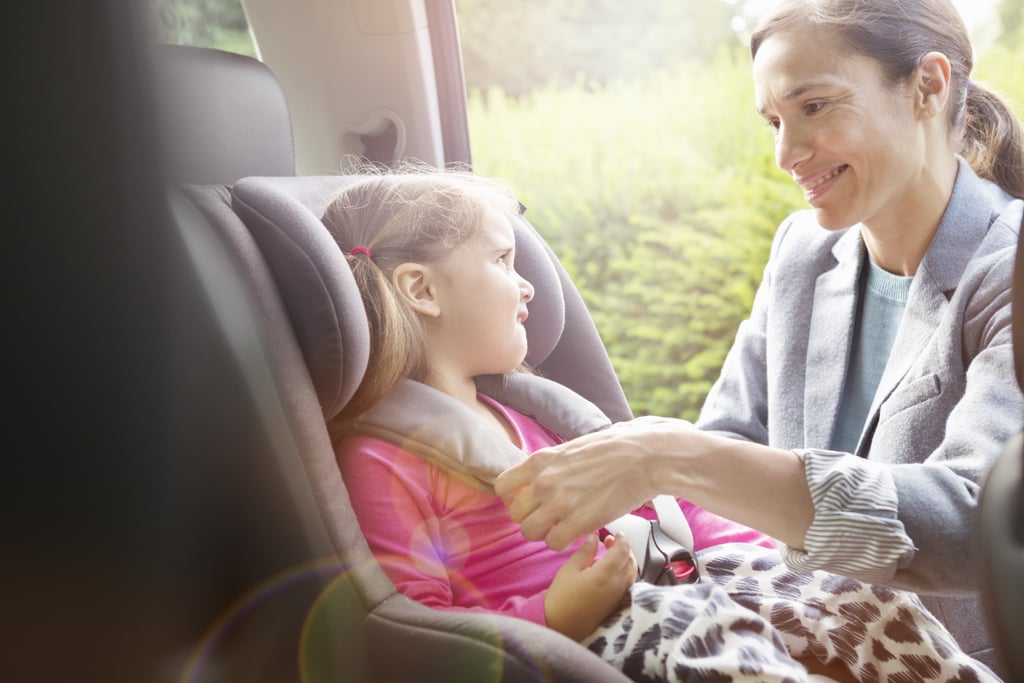
Most newer car and car-seat models use the LATCH (or Lower Anchors and Tethers For Children) system for car-seat installation. The LATCH system attaches the car seat to the vehicle through anchor points installed in the car and connectors on the car seat, which makes for easy installation and can eliminate potential errors resulting from installing a car seat with a seat belt. It's important to note, however, that the 65-pound weight limit for using the LATCH system includes both the weight of your child and the weight of the car seat itself (which usually averages between 20 to 25 pounds), according to the AAP.
If the combined weight of your child and their car seat exceeds 65 pounds, parents should use the seat-belt system and the car-seat tether to secure the seat rather than the lower anchor connectors, the AAP states. Seat belts are just as safe (and, at higher weights, safer) as LATCH, as LATCH was created to make for an easier install, not a better one.
Best Car Seat For Extended LATCH Use: Emblem 3-Stage Convertible Car Seat ($250)
- Installation is easy using the quick-push LATCH connectors that lock into place with a click
- Steel frame and crumple zone help absorb crash energy
- 10-position quick-adjust headrest and harness

Car-Seat Safety: Accessories
Accessories — such as seat protectors and harness covers — are oftentimes not approved for use with every car seat. Before purchasing car-seat accessories, you'll want to check with the car-seat manufacturer to determine if it has tested the accessories with its car seats or what, if any, accessories can be used without negatively affecting the performance of the car seat in a crash. Many car-seat manufacturers have even started making accessories that are sold separately but are specifically tested and approved for their car seats, Sarah Tilton, Britax's child passenger safety technician, told POPSUGAR previously.
While many parents like using mirrors with rear-facing car seats, this accessory can be dangerous if the mirror is not securely attached to the vehicle seat. Mirrors that attach to the rear-seat headrest with suctions cups are the most likely to become a harmful projectile during a crash. They can also be a distraction to the driver if their eyes are on their child rather than on the road.
Safest Car-Seat Accessory: Travel Bug Soft Sided Rear & Forward Facing Safety Mirror ($16)
- Shatter-resistant and soft sided to provide a safer experience in the event of a car accident
- Adjustable straps and buckles help it stay flush to the headrest
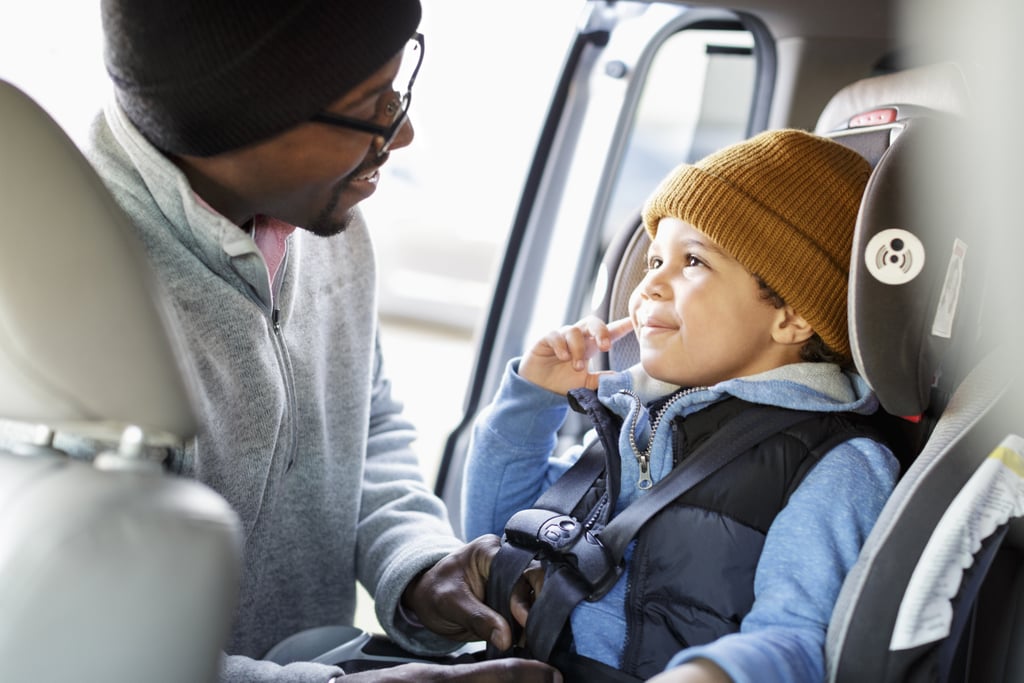
Are Used Car Seats Safe?
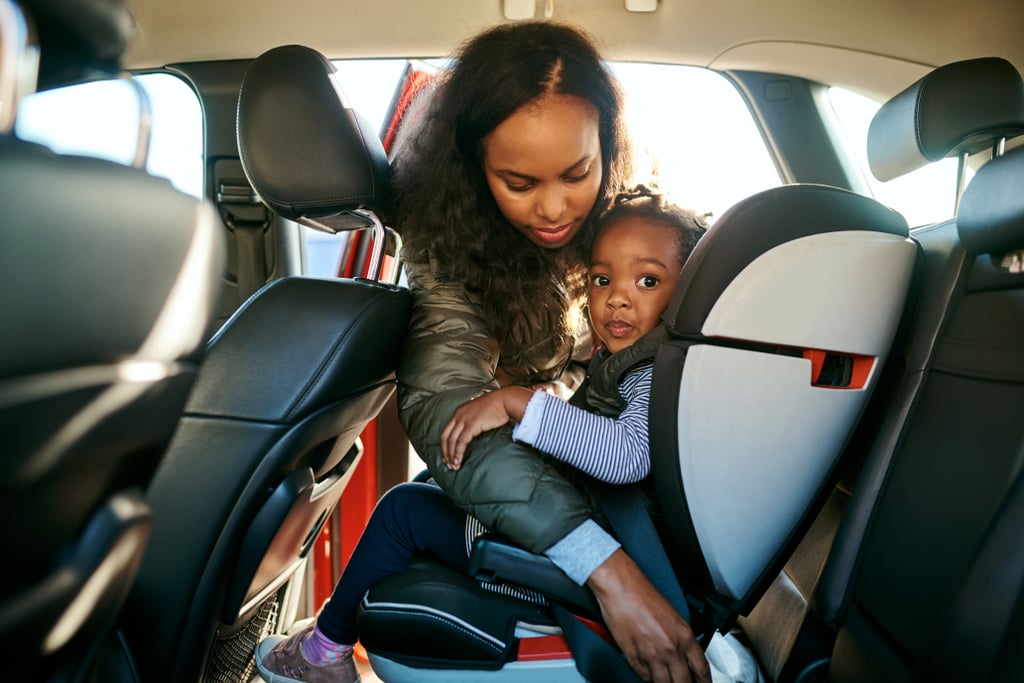
While it may be safe to put your child in a used car seat, you should never use a seat that has expired, been recalled, or been involved in a crash. The expiration of car seats varies by manufacturer and model, though dates can range between seven to 10 years from date of manufacture. If you get a used car seat, the NHTSA strongly encourages that you make sure the seat has all the parts it came with and has a manufacturer's label so you can check for recalls. Getting a car seat from a family member or friend is preferable to buying it from a secondhand store, as they can answer questions for you that the store may not be able to.