Johnathan Hayden launched his namesake brand while finishing his graduate studies at Savannah College of Art and Design in 2015. He is an artist and musician turned designer who has undergone adaptive design specialty training and creates luxury ready-to-wear and evening wear for the modern intellect.
Johnathan's goal is to merge commerce and charity and show how that can be a feasible model for the fashion industry. He's been working with a nonprofit in Costa Rica to teach young women to embroider, sew, and eventually start their own companies and he has dreams of growing his membership at the Metropolitan Opera to make modern, interpretative costumes for new productions. Because of his ability to successfully incorporate adaptive details that go beyond friendlier closures, his clothes acknowledge that the power of fashion is about self-dressing.
"[The clothes] are seeking to cultivate an internal sense of empowerment for more people to participate in all of life's experiences."
Brandice Daniel: "[Johnathan] could design mugs, he could design lamps, he could design furniture, or he could design clothes, and he's decided to design clothes. So he's bringing all of that into his very unique design aesthetic with inspiration from his Japanese roots. He offered me a dress with a print and I said, 'No, I want a solid,' because the details on his dresses are just that beautiful. He's so intentional about everything."
Johnathan Hayden: "Can you imagine how frustrating it would be to miss that job interview, to not attend that party, to not go on that date, or not attend that fashion show simply because you were limited by what you could wear? Design is a two-sided conversation, and if you think of that proposition and acceptance of a design proposal as a contract, then was it agreeable in the first place if it never considered the needs of the person across the table, even the one seated in a wheelchair? Like all of our construction and functional details, we want things to be covert. Those intimate details of self-dressing are personal and don't need to be broadcasted to the world. We love to hear people think that the clothes are beautiful, but maybe just a tiny bit better than beauty because they are seeking to cultivate an internal sense of empowerment for more people to participate in all of life's experiences. Quality of life is a luxury."
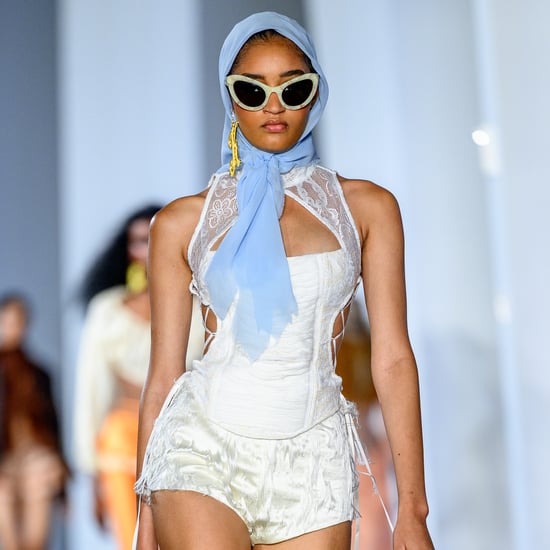
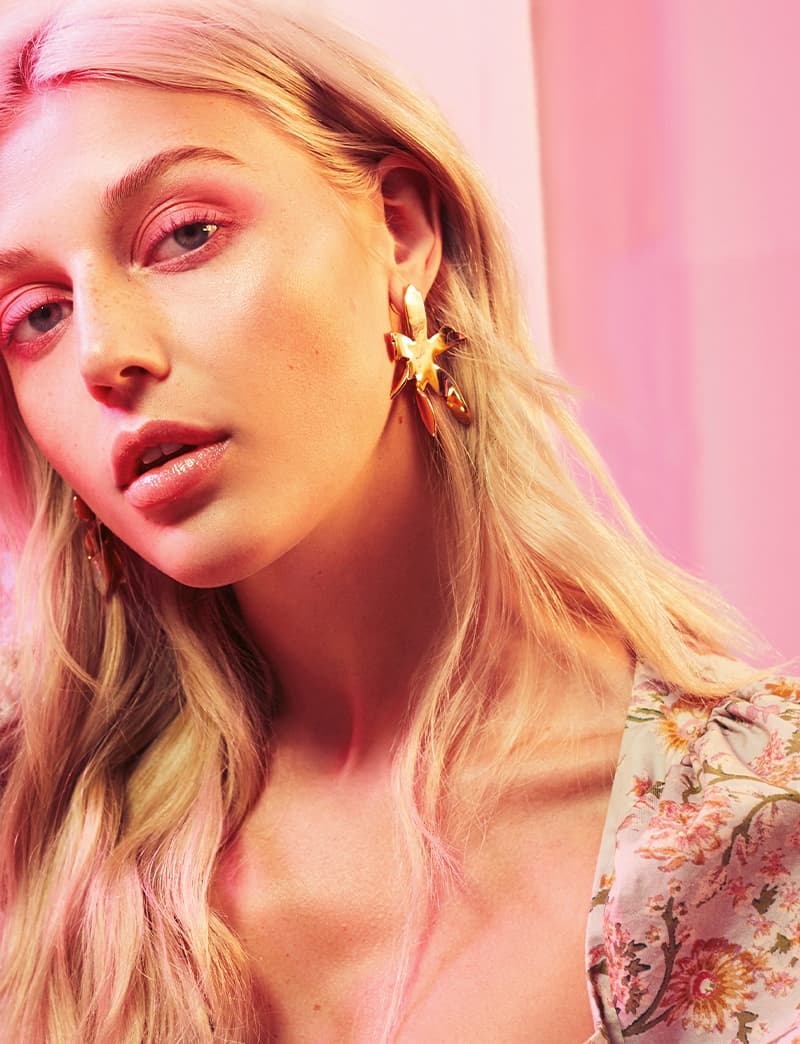
This season: "Freedom is the focus of this body of work. Many of us turned to nature to heal. Original prints show bucolic scenes, nouveau graphic feathers à la Aubrey Beardsley, and '60s wallpapers reworked for today. Sensorial textiles developed with repetitious and meditative embroidery techniques forge variations of print motifs and plaids that join scrap materials to their surfaces. The result is a textural experience both visual and tactile. Brought in close to expose these intimate details, the postcard is signed: I wish you were here."