PS: So, we're fast forwarding to the Berlin Wall crashing down and Miuccia Prada and other designers deciding to go for Eastern European models "for more uniformity." Why do you think that uniformity was automatically conflated with "OK, we need more white girls"?
BH: Yes, the Berlin Wall comes down and scouts were going into that region, which they never could do before, and they were finding models. And they're narrow, they're tall. Miuccia and her casting director or stylist saw that as a way to change the game, to not have glamorous girls in the show, not have supermodels in the show, not have Black girls in the show. So the girl you didn't notice, you only notice the clothes.
It was about uniformity: pull the hair back, put it into a knot, and they're all blond. Brunettes weren't even allowed.
It was just a way of changing the game — and maybe it was a creative effort, maybe it was just something to happen for that moment — but it stuck, and other people started to follow, and then it went on too long.
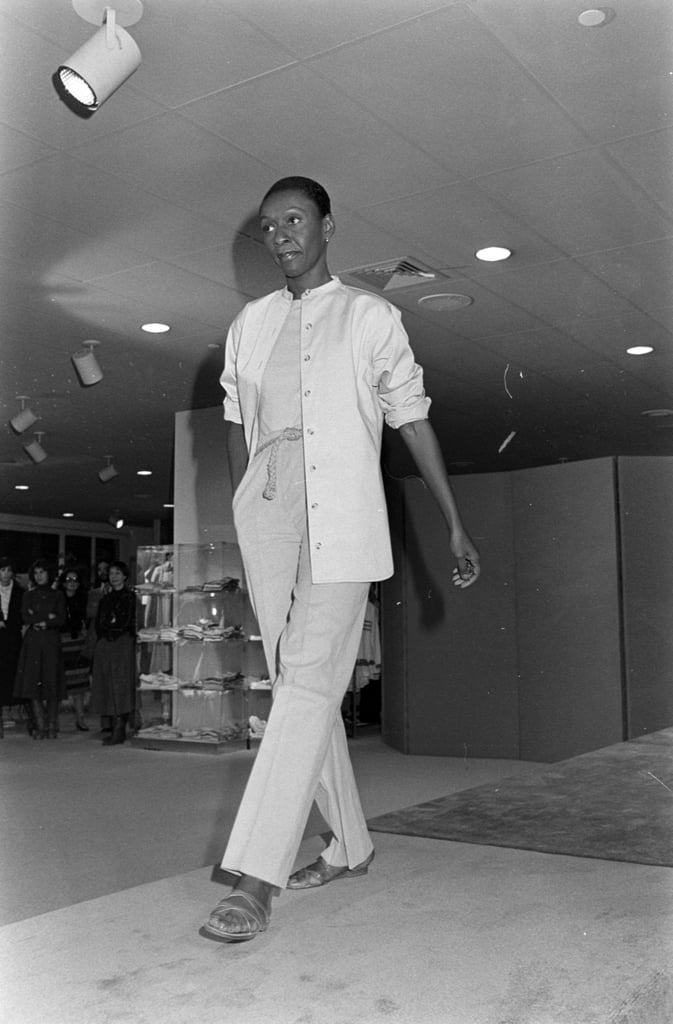
PS: It's so interesting to me, because I read that when you were at Calvin Klein, your personality and your walk were actually selling the clothes.
BH: And [the shift toward uniformity] was eight, nine, 10 years later. It was a different moment. That's the way things change in industries. But what could have been a trend became something more: the new way of thinking. And that's what I had to help with. I could see that they were going down a rabbit hole. And I really wanted them to recognize it.