How to Self-Isolate When You Have COVID-19
I Live in a Tiny Apartment With My Spouse — Here Are the Steps We Took When I Had COVID-19

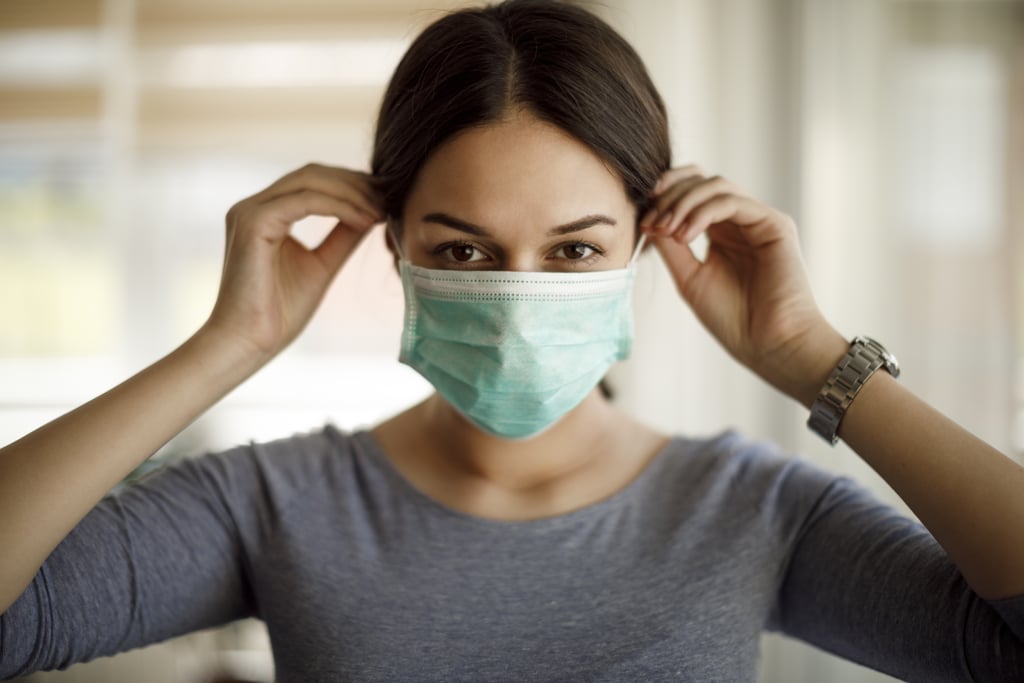
When a doctor first confirmed that I had symptoms of the novel coronavirus (COVID-19), I was a nervous wreck. My husband Nathan and I live in a small, one-bedroom apartment in New York, and I had been coughing — at times, violently — for a couple days, though I tried to keep my distance and always buried my head in my sweatshirt. I feared Nathan had already been exposed to the virus, but I took the doctor's advice and immediately went into isolation to try to protect him as best as I could.
"Quarantine" and "isolation" have very specific meanings when it comes to COVID-19. People who have been around someone with the virus should quarantine at home for 14 days — that's how long it can take to develop symptoms, if you've been infected — while those who are already sick should isolate themselves even from their family or roommates.
Spending so much time alone was one of the hardest things about having COVID-19. At first, when my symptoms were mild, it felt like an overreaction. When I became very sick, it was lonely and, at times, a bit frightening. But as far as we know, Nathan was never infected, and that made every day I spent in isolation worth it. While there may have been other factors at play (research suggests that his blood type may be less vulnerable to infection, for example), I do believe the precautions we took helped keep the virus from spreading. Here's how you can protect your household, too.
Confine Yourself to a Single Room in Your Home
Gather Everything You'll Need to Monitor and Treat Your Symptoms
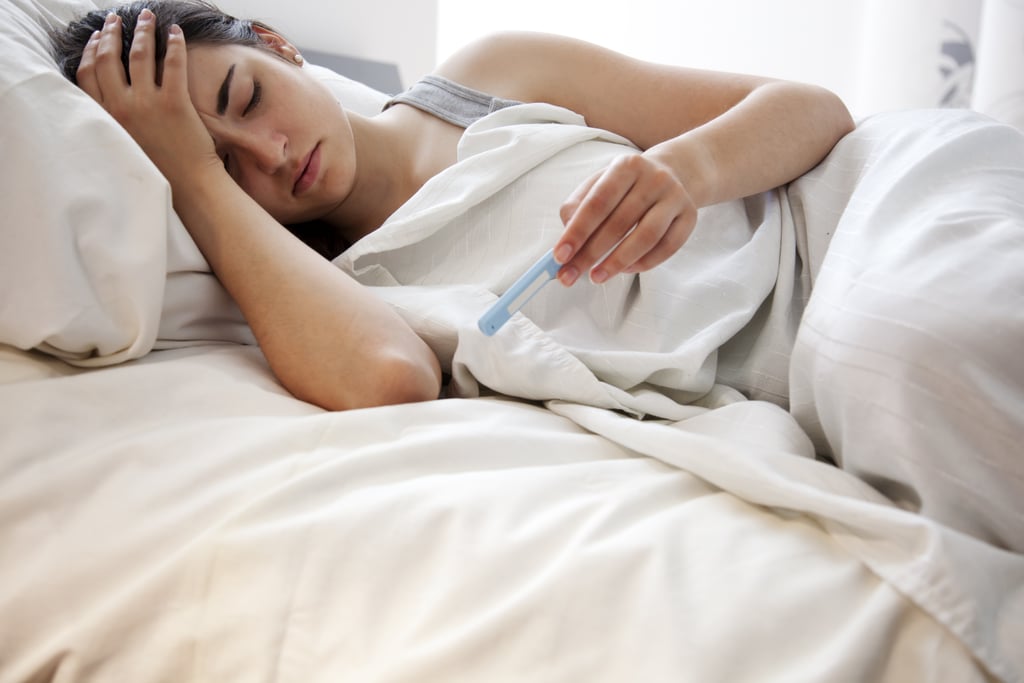
Keep Other Essentials Within Reach
Take Steps to Protect the Person Who's Caring For You
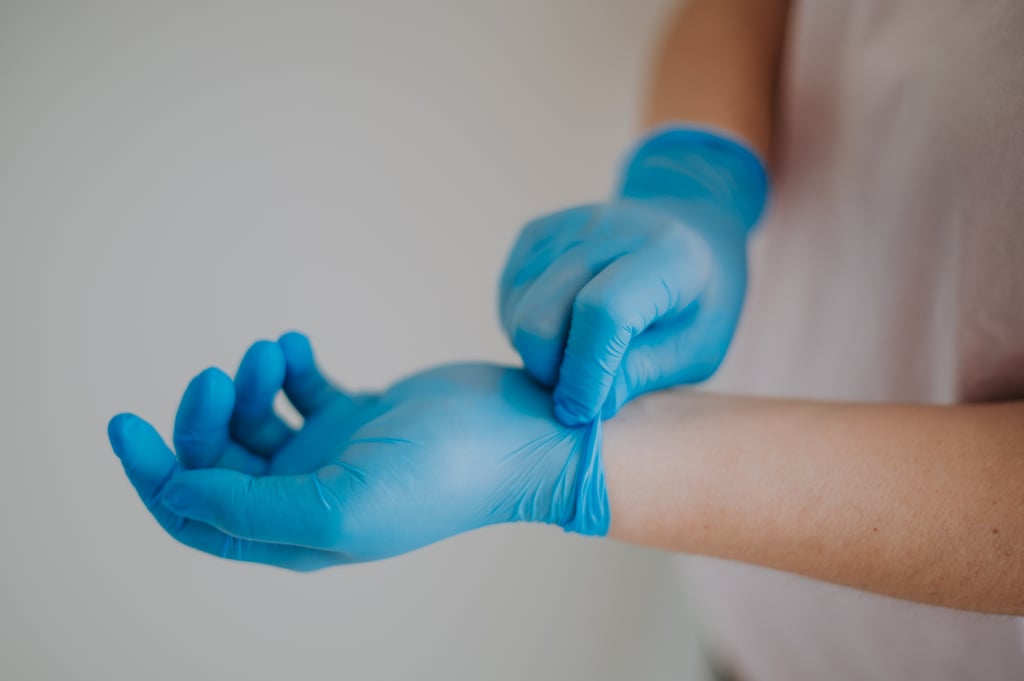
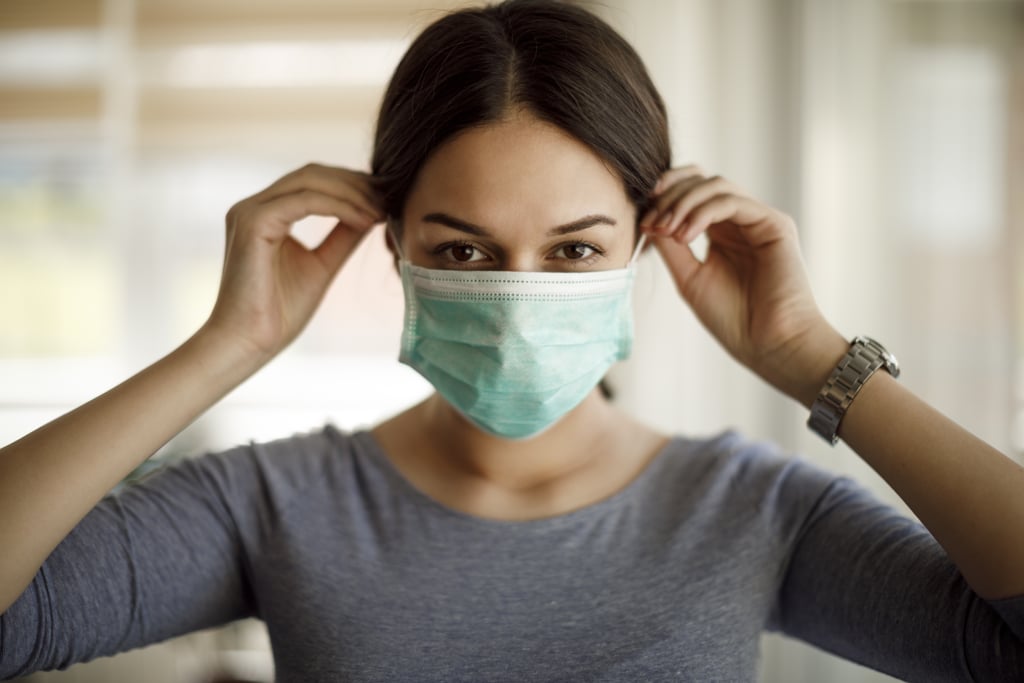
Wear a Mask When You Need to Leave Your Room
Clean Shared Spaces After Each Use
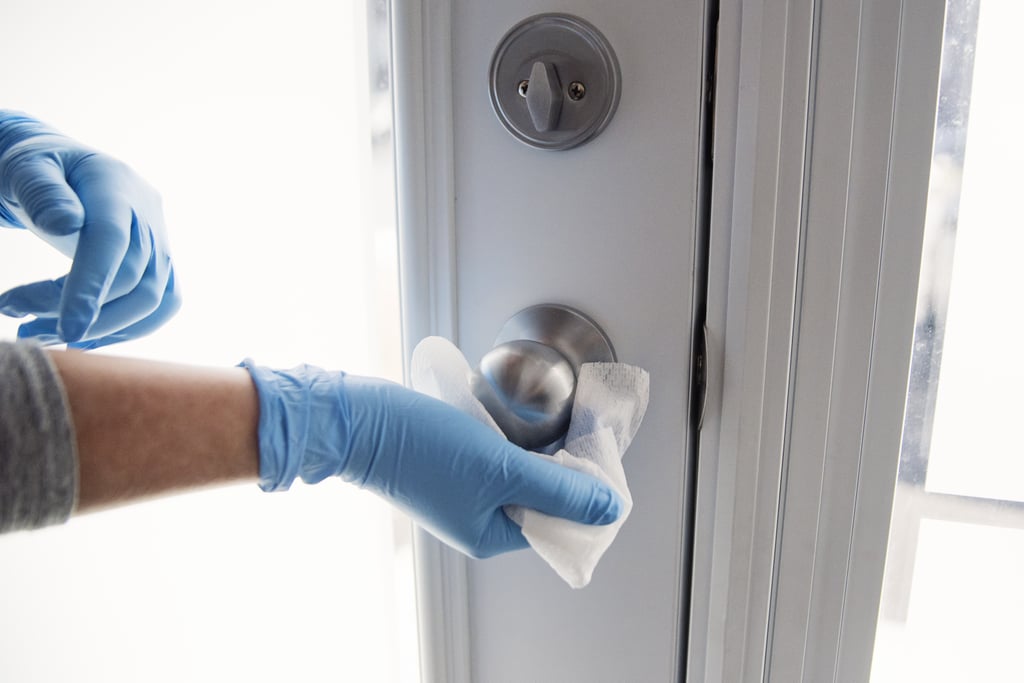
Disinfect High-Touch Surfaces Once a Day
Remain in Isolation For At Least 10 Days