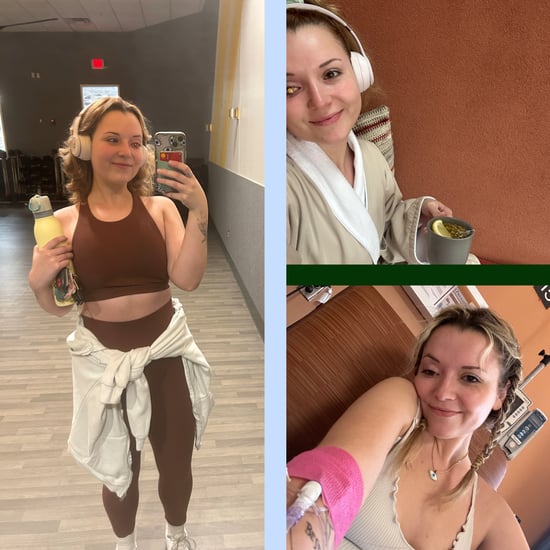
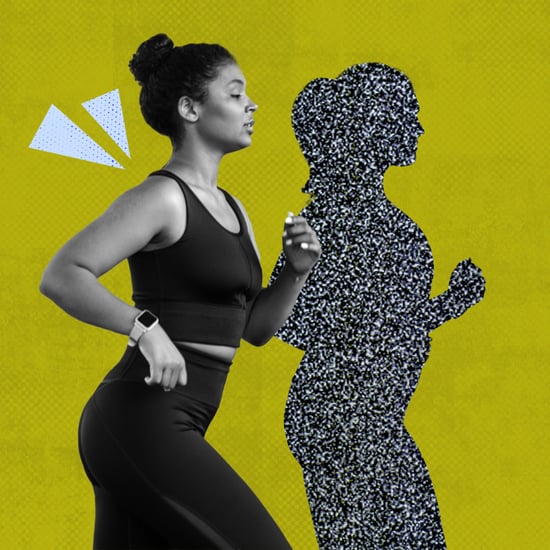
Depictions of eating disorders in the media often center on thin, white women — think: To the Bone and Skins, for example — but eating disorders can affect people of all identities. This lack of representation can cause people who don't "fit the mold" to be ignored, ridiculed, or discriminated against, and may prevent them from getting adequate treatment, if they get treatment at all.
As someone close to them, it's important that you validate your friend's experiences with disordered eating. "If your friend is living in a fat body, a Black or brown body, [or] any other marginalized body, let them know that you believe them and you see them," Miranda Nadeau, PhD, a licensed clinical psychologist in Texas, told POPSUGAR. "Know that your friend has probably been doubted and dismissed many times over, even by well-intentioned helpers."
Christine M. Peat, PhD, director of the National Center of Excellence For Eating Disorders, added: "You can also help be a source of support or encouragement when they face marginalization, just like you would regarding non-eating-disorder experiences." In other words, just like you would reassure a friend that they deserve fair, equitable treatment in any other part of their life, you should demand the same for their eating disorder.