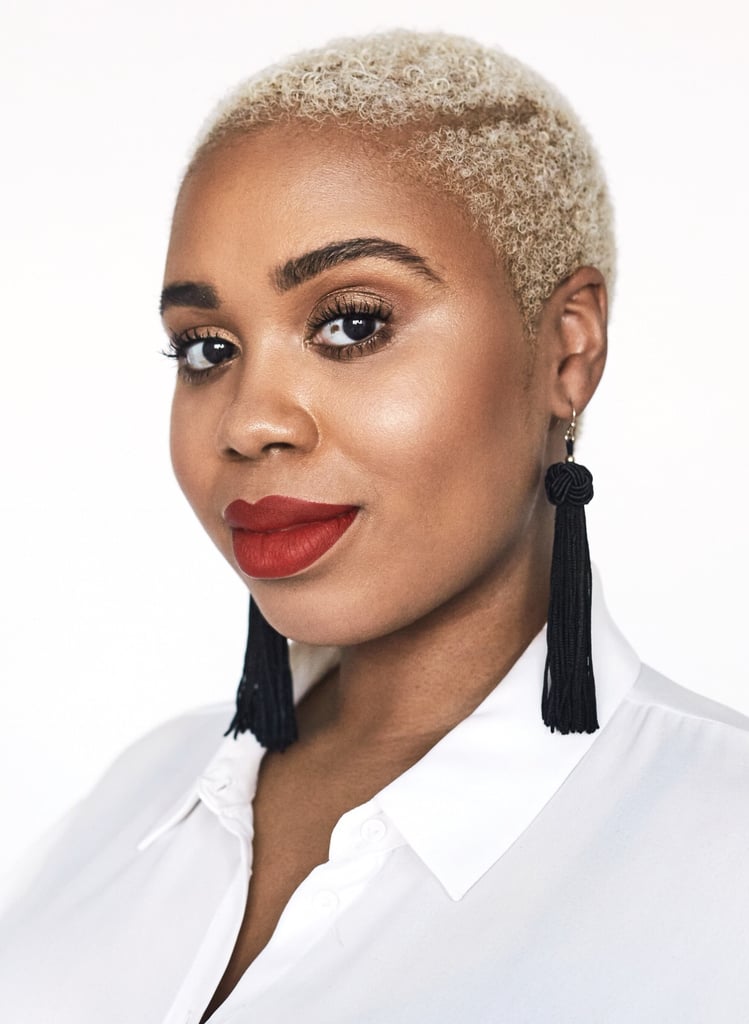
"My hope for the industry is to one, see more light being shined on Black skin-care professionals and their businesses because it's not easy — it's not easy starting a business in general and being an entrepreneur," said Dale. "And as far as education, my hope for the industry is that they do more than just touch on how to treat Black skin and how to adjust your technique. It needs to be a part in the curriculum, period. If you leave the school and get your license and you go into a space where you get a Black client and in your head you're just like, 'Ah sh*t, I don't really know what to do,' you shouldn't be in that position. You should feel comfortable, and you should be able to care for that client the same way you would care for anyone else who isn't of that skin tone."
Her sentiment rings true past just the skin-care world — it carries into all areas, industries, and systems in America. "Women want to create something for themselves, build a career, build a legacy, and build generational wealth," said Dale. "There needs to be more open conversation. There needs to be more mentorship. There needs to be more just opportunities for them to shine and know what that feels like. This starts by supporting one another, hiring more black professionals as educators and trainers in your business and companies and consultants."
At MelaSkin Studio, Dale hopes to expand and bring on more Black aestheticians to give them an opportunity to work in a space that values their skill set and helps them grow as professionals. "I'm creating a space for my community, but my space can't be the only space."