Outdated textbooks aren't the only problem — she explained that unless you have Black educators in the room who are able to point out the differences, it goes unsaid. While treating BIPOC skin may be touched upon briefly, it doesn't get explored to the full extent that it deserves. This is a major issue, especially when you consider that certain services can be unsafe for Black skin if they're not tailored properly.
"How you would approach a chemical peel for someone who is white is different than how you would approach the chemical peel for someone who's Black," Dale said. "And that's what the educator's for, who've been in the industry already. But I feel unless you are a person of color in that class and able to say, 'Hey, I'm Black, if I have a Black client, what should I do in regards to this?' it just doesn't happen."
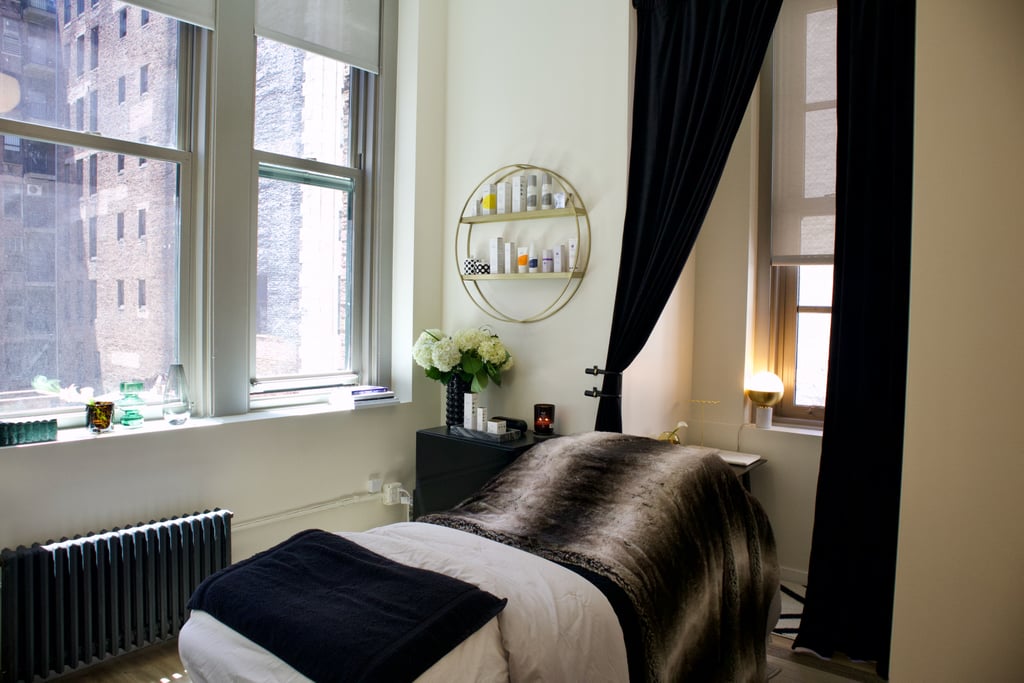
This gap in the industry is what led Dale to open her own studio, where she prioritizes skin health for Black people.
"I kept having conversations with other Black women who told me about their experiences with skin wellness spaces and getting facials and how excited they are every time they meet a Black esthetician or a Black dermatologist," said Dale. "It just made me think, 'OK, if I was to do this, what kind of space do I want to create for my community?' And I knew the first word that came up for me was creating a safe space."