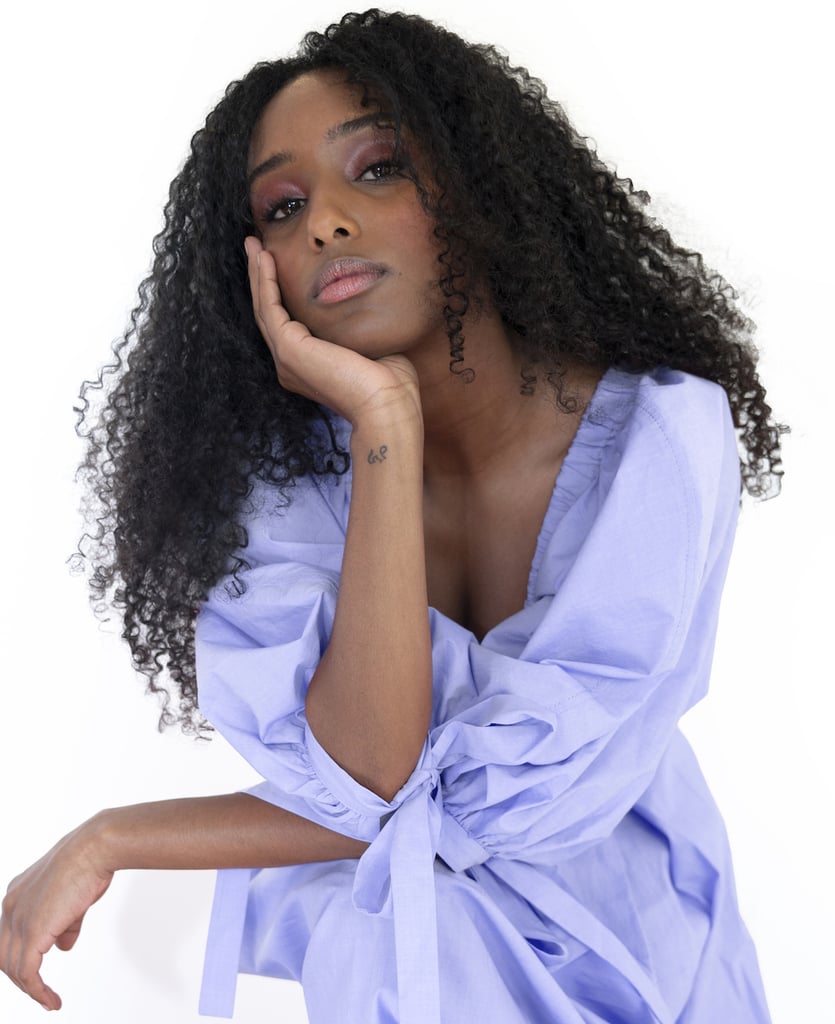
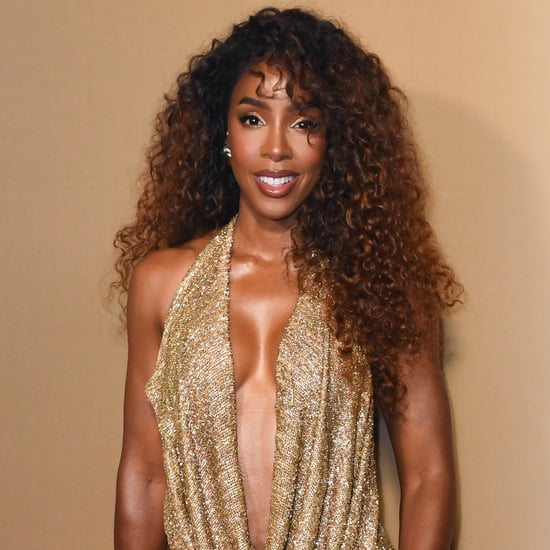
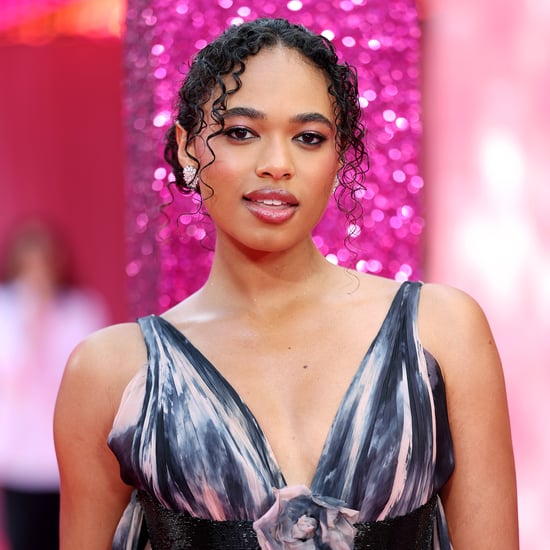
Something else that I noticed as I was building Bread and thinking about who this brand was for was that a lot of textured-hair routines were incredibly complicated, and a lot of the heritage brands in this space had a very distinct look and feel, which felt very glossy and photoshopped and all about these perfect, defined curl and coil. I wanted something simple, and I was like, "Why isn't that an option for my hair?" I didn't want to have to do these four-hour-long routines to achieve this style that is "a good style," when maybe I want my hair to be puffy — maybe I like when it's frizzy and big.
So we made that part of our message: we should embrace frizz; frizz isn't always bad. It's not always an indication of unhealthy hair. You can have really healthy hair and still have frizz. As a brand, our long-term mission is to normalize frizz and make it not just normal but aspirational, and just give Black women permission to do that.
As a brand, our long-term mission is to normalize frizz and make it not just normal but aspirational, and just give Black women permission to do that.
I think that the industry has come a long way, but we still have a long way to go. In general, I just want the standards to change and, ultimately, for any woman, anywhere, to be able to walk into a boardroom, for instance, and have a big Afro or wear Bantu knots, or whatever she wants, and nobody bats an eyelid because that's just the new normal of the world.