PS: There's a passage I want to unpack, on page 37. You write about how your white classmates describe your friend Bradford in self-aggrandizing ways: "words intended to speak volumes more about the subject than the object or the relationship between the two," which I thought was such a succinct way of putting it.
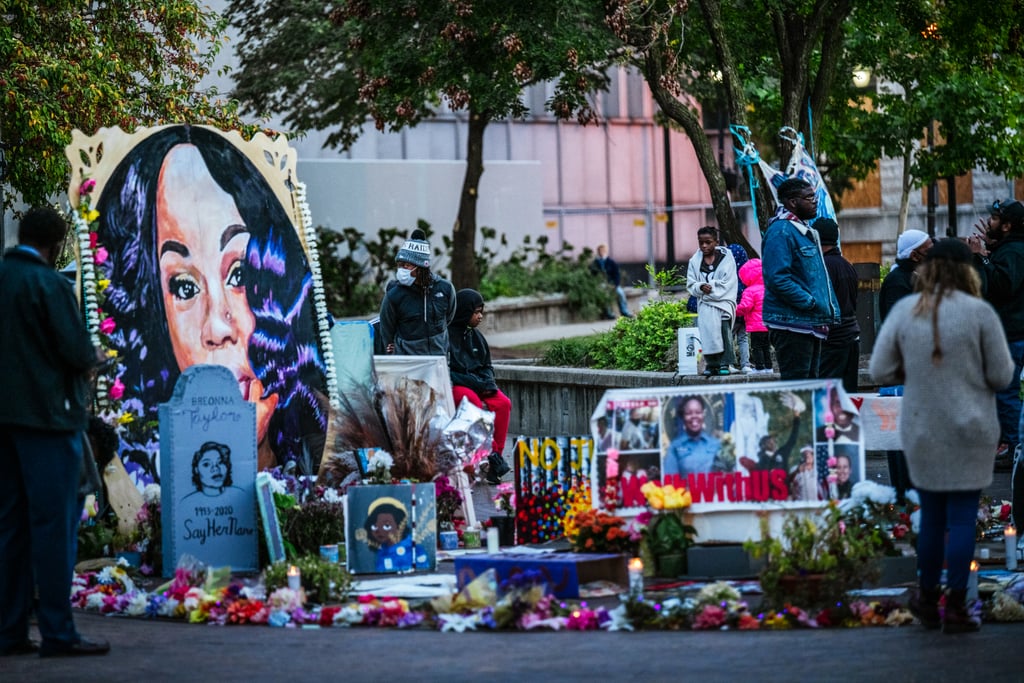
Out of context, that quote reminds me of talk of performativity and the case of Breonna Taylor: how her death became the stuff of memes without amounting to any real justice. The last time we spoke was before the Kentucky grand jury declined to charge the officers who killed her. Is there hope that this book will help white readers grasp the real dangers of liberal racism they may perpetuate, that they might not have read about in these terms before?
CB: You know, that was not the intention. This is not a How to Be an Antiracist, not that I think poorly of that book. But this is not written as a manual in that sense, or like a political document in that sense.
And yet, I think it has had that effect, and I'm really pleased to see that. Because in my mind, I was only describing racism as I experience it — as it exists in my own reality. And you're right that that's sort of a particular kind of racism: that's not the racism that you see in black-and-white images of the '60s.