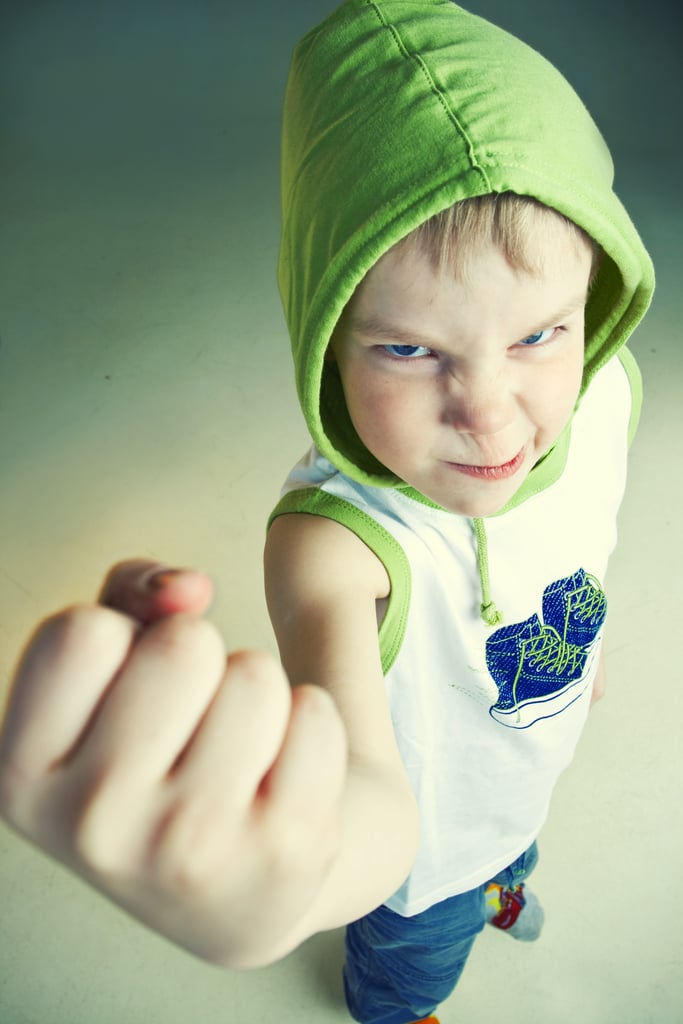
Teasing, spreading rumors, and name-calling, as well as getting physical with peers, are all actions of an aggressive kid. After a few years of displaying inappropriately
aggressive behavior, these children must cope with the negative consequences, including lack of friends and bad reputations.
If any of these signs ring true to your child, here are some helpful tips to change their forceful behavior for the better.
- Look for triggers or patterns when they act out. Is it usually at home or in public? Is it usually a certain time of day? You can't work on breaking the pattern until you can identify the cycle.
- Once you know the triggers, be on the lookout for escalating behaviors.
- Remove the child from the situation before things evolve into a fight. Changing the environment can help them regain composure.
- Provide structure with a daily routine. Predictability will help your little one feel more in control.
- For older children, instill logical consequences for each behavior and work on teaching them the difference between assertion and aggression. Working on age-appropriate coping mechanisms to help kids learn appropriate ways of getting what they want and how to handle it when they can't, is essential for improvement.