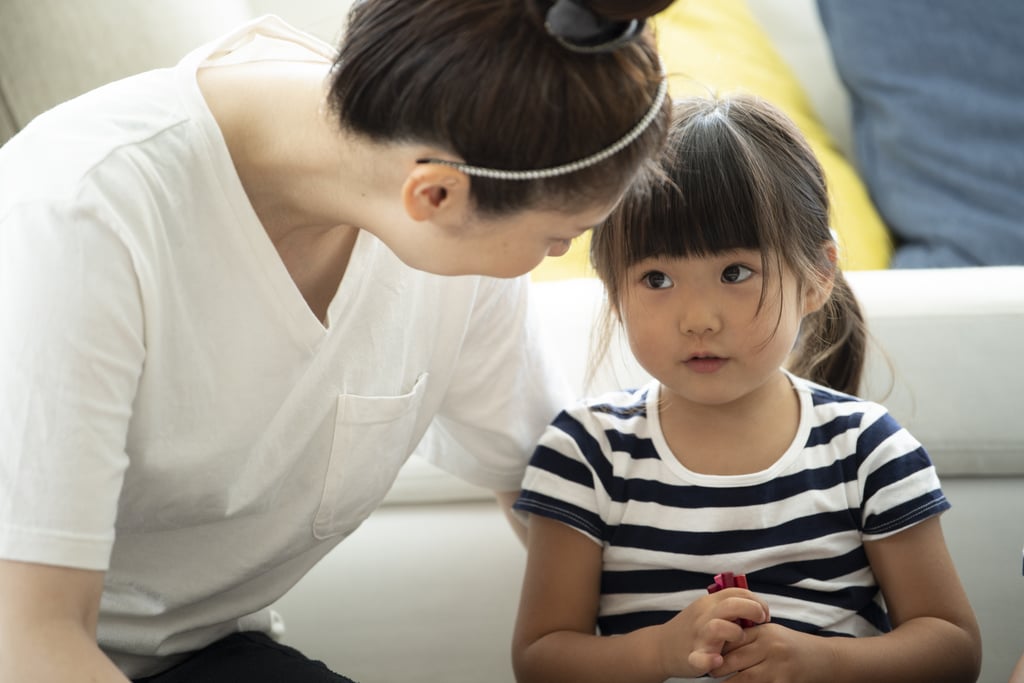
As children begin to experience emotions for the first time, they need a nonjudgmental adult to help them notice and tune into the physical sensations that accompany their emotions.
"When teaching children how to identify the emotions in their body through recognizing sensations, I like to begin with the more positive and pleasant emotions such as happiness and excitement," explained Guy Hernandez, a licensed therapist and the host of the Therapized podcast. "I then aim to identify the observable responses in the form of the body language (i.e. smiling, laughing, etc.), then explore the internal bodily sensations and also what behavioral urges or responses they have to those pleasant emotions." Once a child has shown the capacity to tune into the pleasant emotions, we move toward teaching them how to tune into the more difficult or dysregulating emotions such as anger, fear, worry, guilt, shame, and so on.