Egg Omelet
The 2020-2025 Dietary Guidelines for Americans recommend eggs as an important food for infants and toddlers. Eggs are a complete protein and have varying amounts of all key nutrients cited for brain development by the American Academy of Pediatrics, including choline. In fact, eggs are one of the most concentrated sources of choline, and just one large egg (with the yolk!) provides the daily choline needs for babies and 75 percent of the recommended intake for toddlers. Plus, the early introduction of eggs may also help reduce the risk of developing an egg allergy.
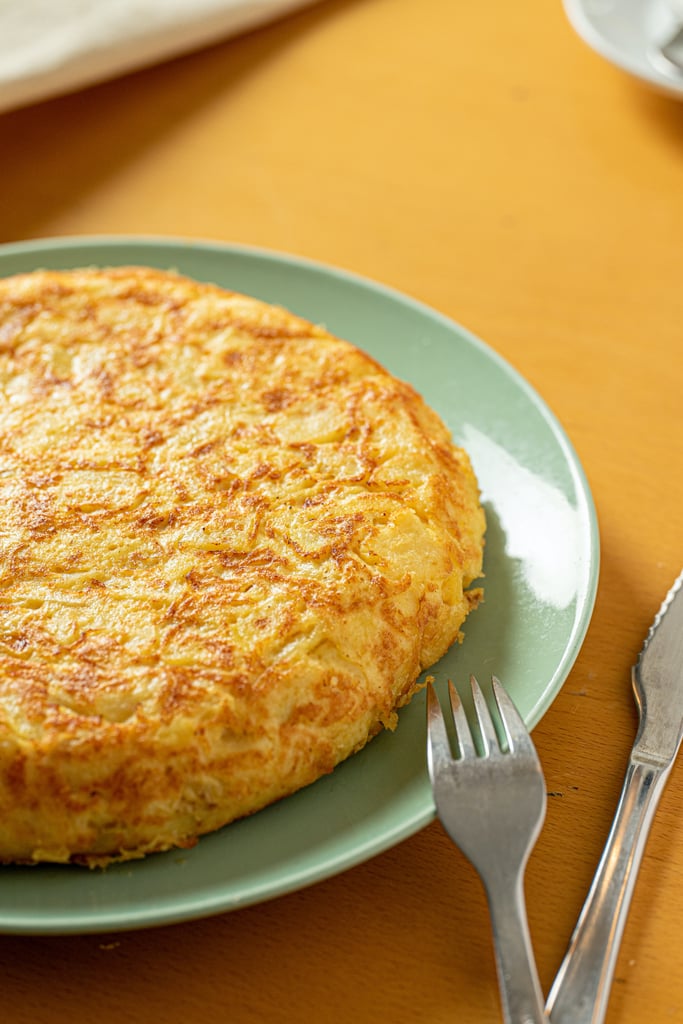
One of the easiest ways to feed eggs to babies when following baby-led weaning guidelines is to offer an omelet cut into easy-to-grab strips. To make a baby-friendly omelet, scramble an egg with a splash of formula or breastmilk. Heat a small skillet over medium heat until hot. Melt half a teaspoon unsalted butter in the pan and then add the egg mixture until it covers the bottom of the pan. Heat for two minutes and then flip like a pancake and heat the other side until it is cooked through. Remove from the pan and cut into one- to two-inch strips, depending on your child's needs.
Meatballs
Beef is a dynamite source of heme-iron, which is great for overall growth and brain development. A fun way to sneak in these nutrients is via meatballs.
Meatballs are a perfect beef-packed baby-led weaning dish that can double as an adult-friendly meal too. You don't have to make your meatballs with any special ingredients when you are preparing them for your baby. Just make sure they are cooked all the way through to avoid any potential foodborne illness. It is not recommended to use ingredients that contain salt or added sugar in a meatball recipe if it is offered to babies.